
Sun Mar 29 16:48:16 UTC 2026: # India Voices Concern Over Shifting Foreign Policy Amidst International Tensions
The Story:
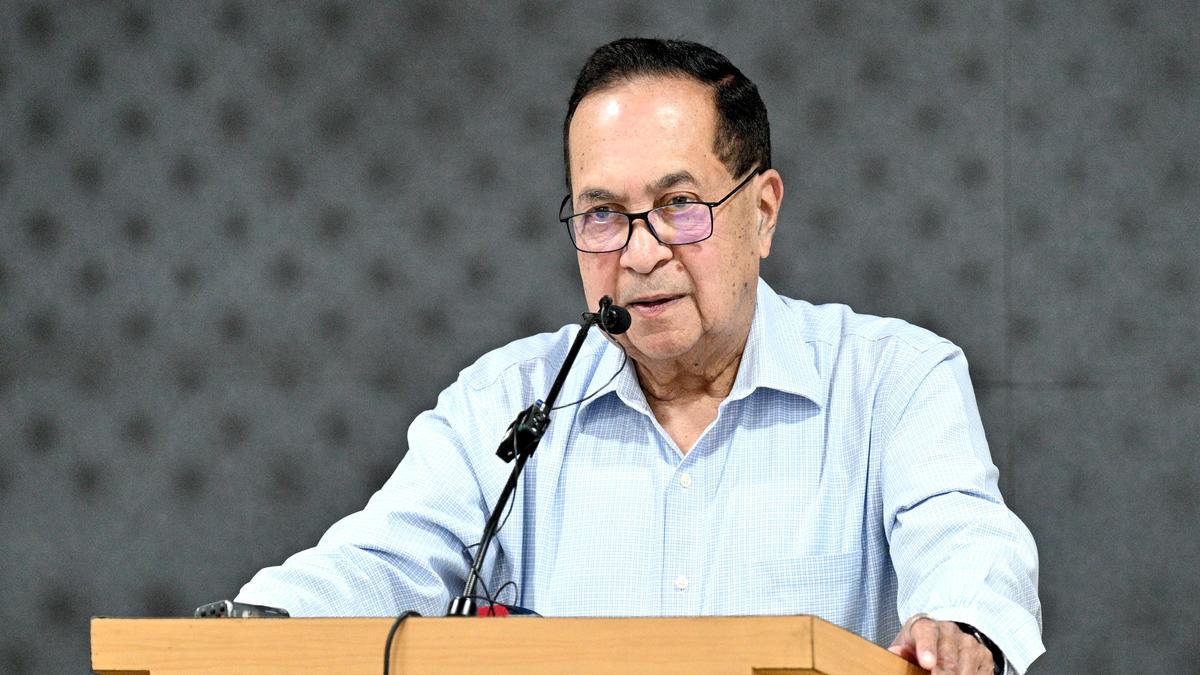
On March 29, 2026, at a seminar in New Delhi, N. Ram, Director of The Hindu Group, expressed grave concerns regarding the transformation of India’s foreign policy, particularly its alignment with the United States and Israel. Ram criticized the Indian government’s response to the alleged attack on Iran by the U.S. and Israel, stating it was a “shameful policy.” He emphasized the erosion of India’s historical commitment to anti-colonial solidarity and its shifting stance on the Palestinian struggle.
The seminar, titled “Imperialist Aggression and its Impact,” featured speakers including Cuban Ambassador to India Juan Carlos Marsan Aguilera and senior journalist Seema Chisti, who echoed concerns about imperialism and colonialism. Aguilera highlighted threats against Cuba and reaffirmed solidarity with nations facing U.S. aggression.
Key Points:
- N. Ram criticized India’s foreign policy shift towards closer ties with the United States and Israel.
- He condemned the alleged U.S. and Israeli attack on Iran and accused the Indian government of a “shameful policy” in response.
- Ram highlighted the weakening of India’s historical support for Palestine and anti-colonial movements.
- Juan Carlos Marsan Aguilera, the Cuban Ambassador to India, spoke against U.S. aggression towards Cuba, Venezuela, Iran, and Palestine.
- Seema Chisti argued that current events reflect a return to basic forms of colonialism.
- India is allegedly importing crude oil from Russia with U.S. allowance.
Critical Analysis:
The fact that N. Ram is speaking out against the current Indian government’s foreign policy direction is significant. Given the context of China protesting US security rules change in Hong Kong, the US facing internal “No Kings” protests, and political unrest in Nepal, it appears that global power dynamics are shifting. India’s closer alignment with the US and Israel, as Ram argues, could be a strategic decision to navigate this changing landscape, albeit one that risks alienating its historical allies and principles of anti-colonial solidarity.
Key Takeaways:
- India’s foreign policy is undergoing a significant shift, prioritizing strategic partnerships with the U.S. and Israel.
- This shift is causing concern among some Indian intellectuals and political figures who view it as a betrayal of historical commitments.
- The event highlights the rising tensions between nations seen as challenging U.S. hegemony.
- The global political landscape is increasingly fractured, with various nations facing internal and external pressures.
- India’s stance on the Palestinian struggle is evolving, potentially impacting its role in international diplomacy.
Impact Analysis:
The long-term implications of India’s foreign policy shift could be profound. A closer alignment with the U.S. and Israel may strengthen India’s geopolitical position in the short term, but it could also:
- Strain relations with countries like Iran and Palestine.
- Fuel domestic dissent and criticism of the government.
- Alter India’s image as a champion of the developing world and anti-colonial movements.
- Influence regional power dynamics and alliances in Asia.
- Potentially impact trade relations and energy security.
 First Piper