
Sun Mar 29 17:58:29 UTC 2026: ### Pakistan Offers to Broker Peace Talks Between US and Iran Amidst Ongoing War
The Story:
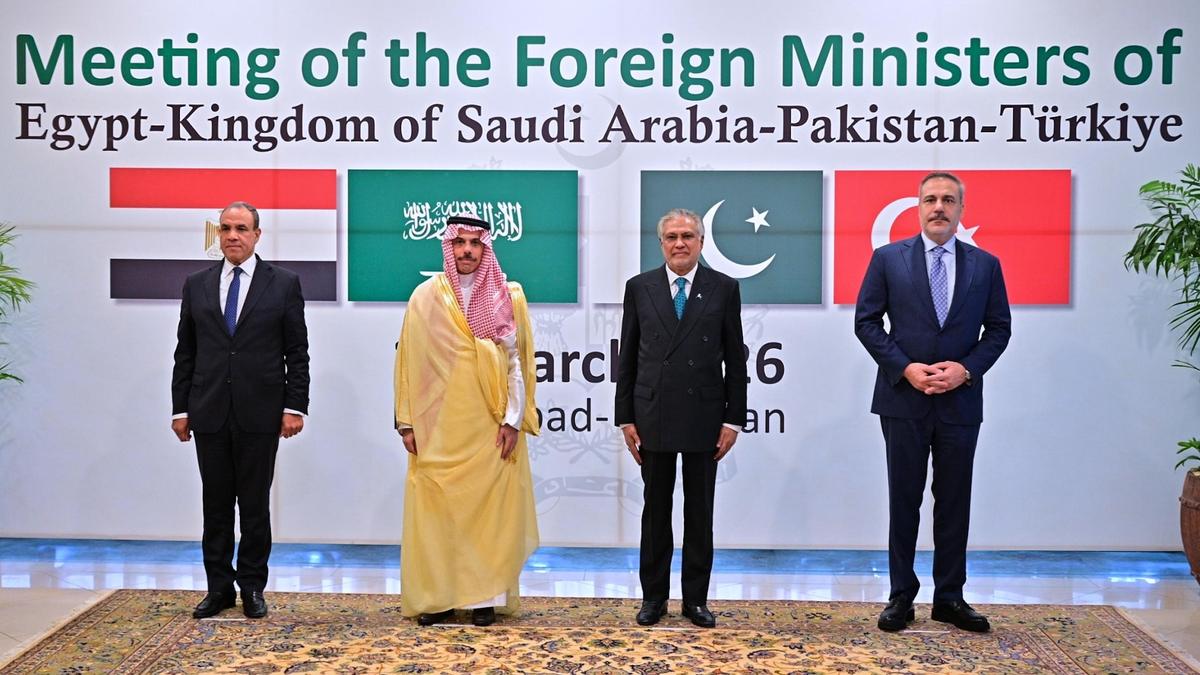
Pakistan has positioned itself as a potential mediator between the United States and Iran, offering to host peace talks in Islamabad to resolve the ongoing conflict. The move comes amid growing international concern about the war’s impact, particularly on maritime traffic through the Strait of Hormuz. Pakistan’s Foreign Minister Ishaq Dar hosted counterparts from Saudi Arabia, Egypt, and Turkey to discuss the situation and garner support for Pakistan’s peace efforts.
Key Points:
* Pakistan is ready to host “meaningful talks” between the US and Iran.
* Foreign Minister Ishaq Dar hosted foreign ministers from Saudi Arabia, Egypt, and Turkey to discuss the war.
* The visiting ministers expressed their support for potential US-Iran talks in Islamabad.
* Pakistan is leveraging its relationship with both Tehran and Gulf countries, as well as the rapport between Prime Minister Shehbaz Sharif, Field Marshal Asim Munir, and U.S. President Donald Trump.
* Both Iran and the US have reportedly expressed confidence in Pakistan to facilitate the talks.
* China and the UN Secretary-General also support Pakistan’s peace initiative.
* Iran has passed a response to Trump’s 15-point peace plan via Islamabad.
* Germany’s Foreign Minister Johann Wadephul expects a direct US-Iran meeting in Pakistan “very soon”.
Critical Analysis:
The article highlights Pakistan’s strategic positioning amidst the US-Iran conflict. The historical context suggests that this mediation attempt is reminiscent of past diplomatic efforts, such as Nixon’s opening to China, where an intermediary played a crucial role. The reference to Trump’s use of Pakistan evokes memories of Nixon using Pakistan as a conduit for talks with China. This parallel implies that Pakistan, like in the past, is attempting to capitalize on its unique geopolitical position to foster dialogue between two adversaries. The mention of Saudi blessing for this endeavor is also crucial, indicating a regional consensus for de-escalation.
Key Takeaways:
* Pakistan is actively seeking a role as a key mediator in the US-Iran conflict.
* Regional and international support for Pakistan’s peace efforts is growing.
* The potential for successful mediation hinges on the willingness of both the US and Iran to compromise.
* Pakistan’s economic interests, particularly its reliance on oil and gas imports through the Strait of Hormuz, are a significant driver of its peace efforts.
* The success of these talks could significantly enhance Pakistan’s international standing.
Impact Analysis:
The success or failure of Pakistan’s mediation efforts could have significant long-term implications. A successful negotiation could lead to a de-escalation of tensions in the region, stabilizing oil markets and fostering greater regional security. It would also elevate Pakistan’s role as a key player in international diplomacy. Conversely, failure could exacerbate regional instability and damage Pakistan’s credibility as a mediator. The mention of Israeli autonomous decision-making complicates the situation further, as any actions by Israel could undermine Trump’s decision to end the conflict. The outcome will likely shape the geopolitical landscape of the Middle East and influence the future trajectory of US-Iran relations.
 First Piper