
Sun Mar 29 17:45:55 UTC 2026: # West Asia Crisis Escalates: US-Israeli Strikes on Iran Trigger Regional Turmoil
The Story:
On February 28, 2026, a joint US-Israeli attack targeted Iran, with strikes hitting Tehran and aiming to dismantle Iranian leadership. Israel’s Defence Minister Israel Katz justified the attacks as necessary to eliminate threats to Israel, while US President Donald Trump called for Iranians to revolt against the Islamic Republic. Iran retaliated by attacking US bases and infrastructure in the Gulf, leading to airspace closures and civilian casualties. The Strait of Hormuz was blocked, causing global oil prices to surge and resource shortages to emerge. The escalating conflict has created a significant humanitarian crisis and the UN refugee agency has declared a “major humanitarian emergency”.
Key Points:
- February 28, 2026: US and Israel launch joint strikes on Iran, targeting its leadership in Tehran.
- Israel’s Defence Minister Israel Katz claims the strikes are to remove threats to Israel.
- US President Donald Trump urges Iranians to rise against their government.
- Iran retaliates by striking US bases and infrastructure in the Gulf and blocking the Strait of Hormuz.
- The UN declares a “major humanitarian emergency” due to mass displacement, with nearly 100,000 people displaced within Lebanon.
- International Energy Agency warns of a potential worst energy crisis in decades (March 23, 2026).
Critical Analysis:
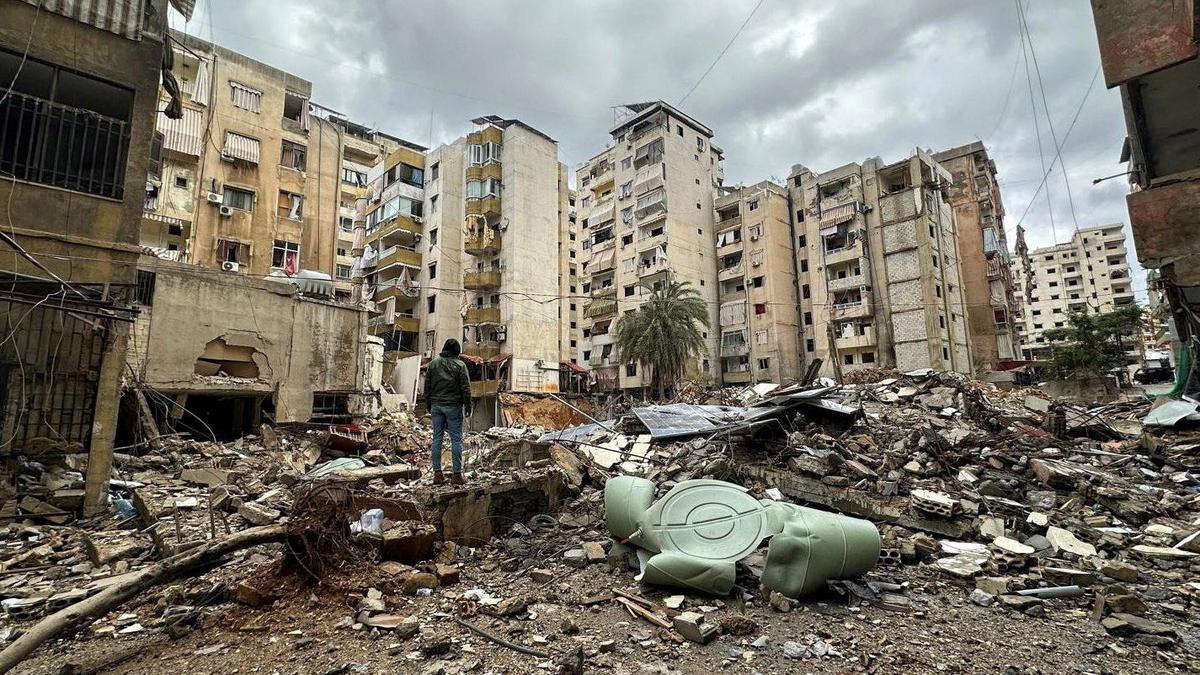
The attacks on Iran, framed as preemptive measures against perceived threats, have clearly backfired. The blocking of the Strait of Hormuz, a predictable Iranian response, demonstrates a failure to anticipate the consequences of escalating military action. This suggests a lack of strategic foresight in the initial decision-making process. The coordinated nature of the US-Israeli strikes indicates a pre-planned strategy, but the rapid escalation and humanitarian fallout reveal a significant underestimation of Iran’s retaliatory capabilities and the broader regional impact. The Ground Report indicating that Beirut residents “Not Slept For A Month” after buildings were reduced to rubble reveals the heavy civilian toll of the conflict.
Key Takeaways:
- The US-Israeli strikes on Iran have ignited a major regional conflict.
- Iran’s retaliation, particularly the closure of the Strait of Hormuz, has severe global economic consequences.
- The conflict has created a major humanitarian crisis, with widespread displacement and suffering.
- The initial assessment of the conflict’s impact appears to have underestimated Iran’s response and the potential for escalation.
- The events highlight the fragility of stability in West Asia and the potential for rapid escalation of tensions.
Impact Analysis:
The West Asia crisis has far-reaching implications:
- Global Economy: The closure of the Strait of Hormuz disrupts global oil supplies, leading to economic instability and potential recession.
- Regional Security: The conflict exacerbates existing tensions between regional powers, potentially drawing in other countries and destabilizing the entire region.
- Humanitarian Crisis: The mass displacement and suffering require significant international aid and long-term solutions for refugees and displaced populations.
- Geopolitical Realignment: The crisis could lead to a realignment of alliances and power dynamics in the region, with potential long-term consequences for international relations.
- US Foreign Policy: The conflict will likely prompt a reassessment of US foreign policy in the Middle East, with potential implications for future military interventions and diplomatic strategies.
 First Piper