
Sun Mar 29 05:14:17 UTC 2026: # North Korea Tests High-Thrust Solid-Fuel Engine, Signaling Escalation of Missile Program
The Story
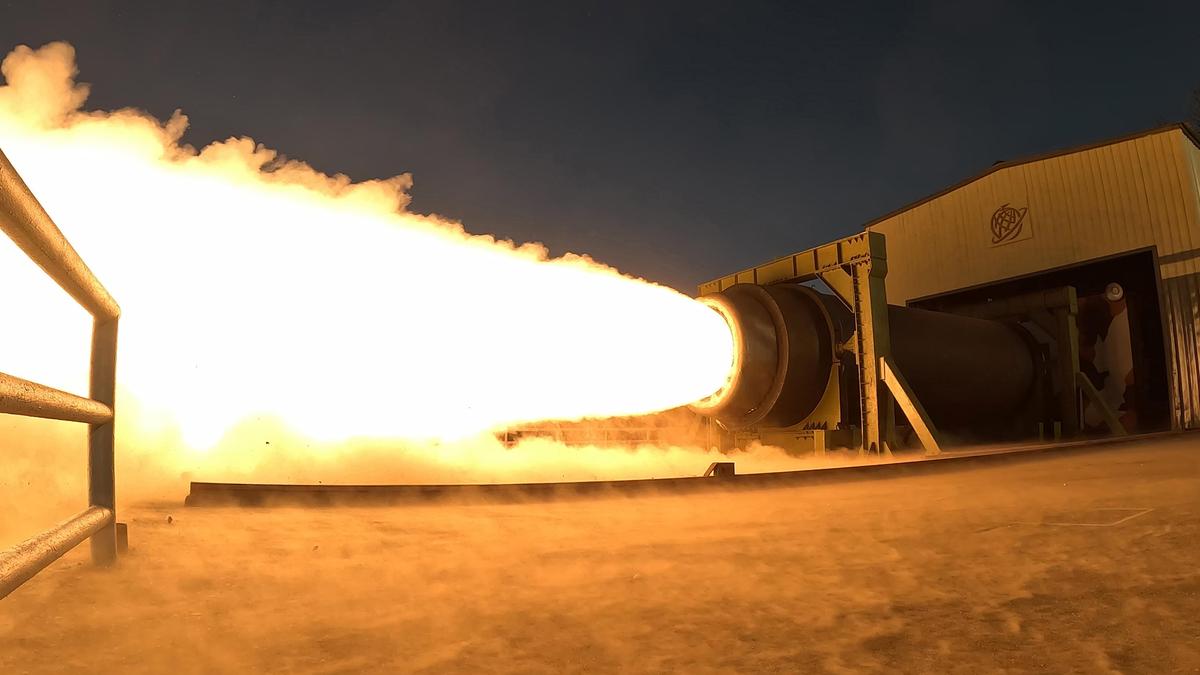
On March 29, 2026, North Korean leader Kim Jong Un observed a test of a high-thrust, solid-fuel engine, which state media hailed as a significant advancement in the country’s strategic military capability. The test, overseen by Kim Jong Un, involved a newly upgraded engine using composite carbon fibre material, achieving a maximum thrust of 2,500 kilotons, a substantial increase from the 1,971 kilotons reported in a similar test in September. This development is seen as a move to enhance North Korea’s ability to deploy missiles capable of reaching the United States mainland, potentially with multiple warheads.
The announcement followed a speech by Kim Jong Un at North Korea’s Parliament, where he pledged to solidify the nation’s status as a nuclear power and accused the U.S. of “state terrorism and aggression” in reference to the war in West Asia. The engine test is part of a five-year military escalation program aimed at upgrading “strategic strike means,” understood to mean nuclear-capable, intercontinental ballistic missiles (ICBMs) targeting the U.S.
Key Points
- Kim Jong Un observed the test of a high-thrust, solid-fuel engine on March 29, 2026.
- The engine’s maximum thrust is reported at 2,500 kilotons.
- The test is part of a five-year military escalation program.
- The program aims to upgrade “strategic strike means,” referring to nuclear-capable ICBMs targeting the U.S.
- Kim Jong Un accused the U.S. of “state terrorism and aggression” in a recent speech.
- The engine utilizes composite carbon fibre material.
- This is an increase of almost 600 kilotons from a similar test in September.
Critical Analysis
The timing of this engine test, immediately following Kim Jong Un’s address accusing the U.S. of “state terrorism and aggression,” suggests a deliberate escalation of tensions. The successful test of a more powerful solid-fuel engine, coupled with the pledge to irreversibly cement North Korea’s nuclear status, indicates a hardening of North Korea’s stance and a continued push for military advancements despite international sanctions and diplomatic efforts. The reference to the war in West Asia could be an attempt to exploit perceived vulnerabilities or distractions of the US in other regions.
Key Takeaways
- North Korea is actively pursuing advancements in its ICBM technology.
- The development of solid-fuel engines enhances the mobility and concealment of North Korean missiles.
- Kim Jong Un’s rhetoric suggests a confrontational approach towards the U.S.
- The timing of the test and speech points to a calculated escalation of tensions.
- The increase in engine power could enable multiple warheads on a single missile.
Impact Analysis
This event has significant implications for regional and international security. The successful test of a high-thrust solid-fuel engine brings North Korea closer to possessing a reliable ICBM capable of reaching the U.S. mainland, increasing the urgency of diplomatic efforts to address North Korea’s nuclear program. The continued development of these weapons systems also increases the risk of miscalculation or accidental escalation, potentially triggering a larger conflict. This could also spur further regional arms races, as neighboring countries seek to bolster their own defenses in response to the perceived threat. The long-term impact hinges on whether diplomatic engagement can resume and lead to verifiable denuclearization of the Korean Peninsula.
 First Piper