
Sun Mar 29 02:48:57 UTC 2026: # India’s Opium Poppy Cultivation: A Generational Tradition Under Government Control
The Story:
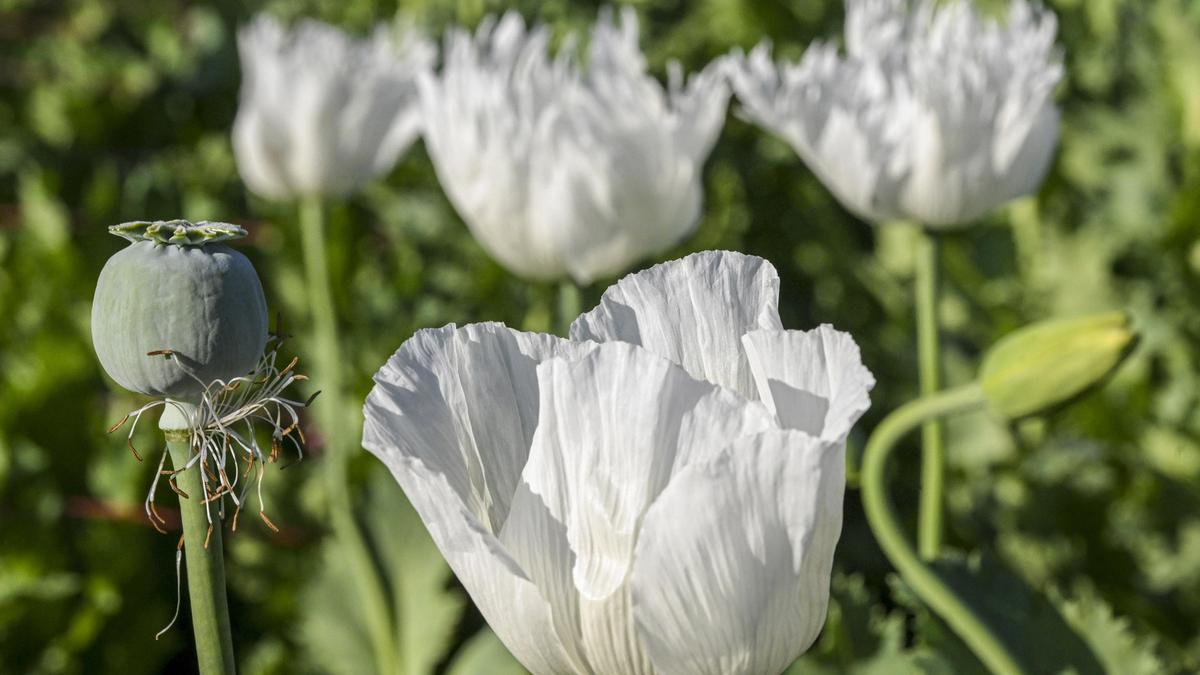
An article published on March 29, 2026, by The Hindu details the legal opium poppy cultivation practices in specific regions of India, primarily Madhya Pradesh’s Malwa and Rajasthan’s Mewar. Thousands of farming families, under licenses issued by the Union government, cultivate the crop on small plots. This practice, deeply rooted in tradition, has been passed down through generations, sometimes for over 200 years. The Central Bureau of Narcotics (CBN) controls the licensing, enforcement, and procurement of the opium.
Key Points:
- Legal opium poppy cultivation is permitted in select regions of India, including Madhya Pradesh’s Malwa and Rajasthan’s Mewar.
- Farming families cultivate opium poppy under licenses issued by the Union government.
- The region produces approximately 85% of India’s legally grown opium.
- Cultivation practices are generational, with some families cultivating the crop for over 200 years.
- The opium poppy is locally called afeem, and the license is considered a symbol of family prestige.
- The Central Bureau of Narcotics (CBN) manages licensing, enforcement, and procurement, issuing two types of licenses: opium gum and concentrate of poppy straw (CPS).
- Harvesting typically occurs in March, after Holi.
Key Takeaways:
- Opium poppy cultivation in India is a closely regulated and geographically concentrated activity.
- The practice is deeply intertwined with local culture, tradition, and family prestige.
- The Central Bureau of Narcotics (CBN) plays a crucial role in controlling the legal opium supply chain.
- The reliance on traditional farming practices and the cultural significance of opium licenses suggest potential resistance to changes in agricultural policy.
 First Piper