
Sun Mar 29 10:56:28 UTC 2026: ### Allahabad HC: Daughter-in-Law Not Legally Obligated to Maintain Parents-in-Law Under CrPC
The Story:
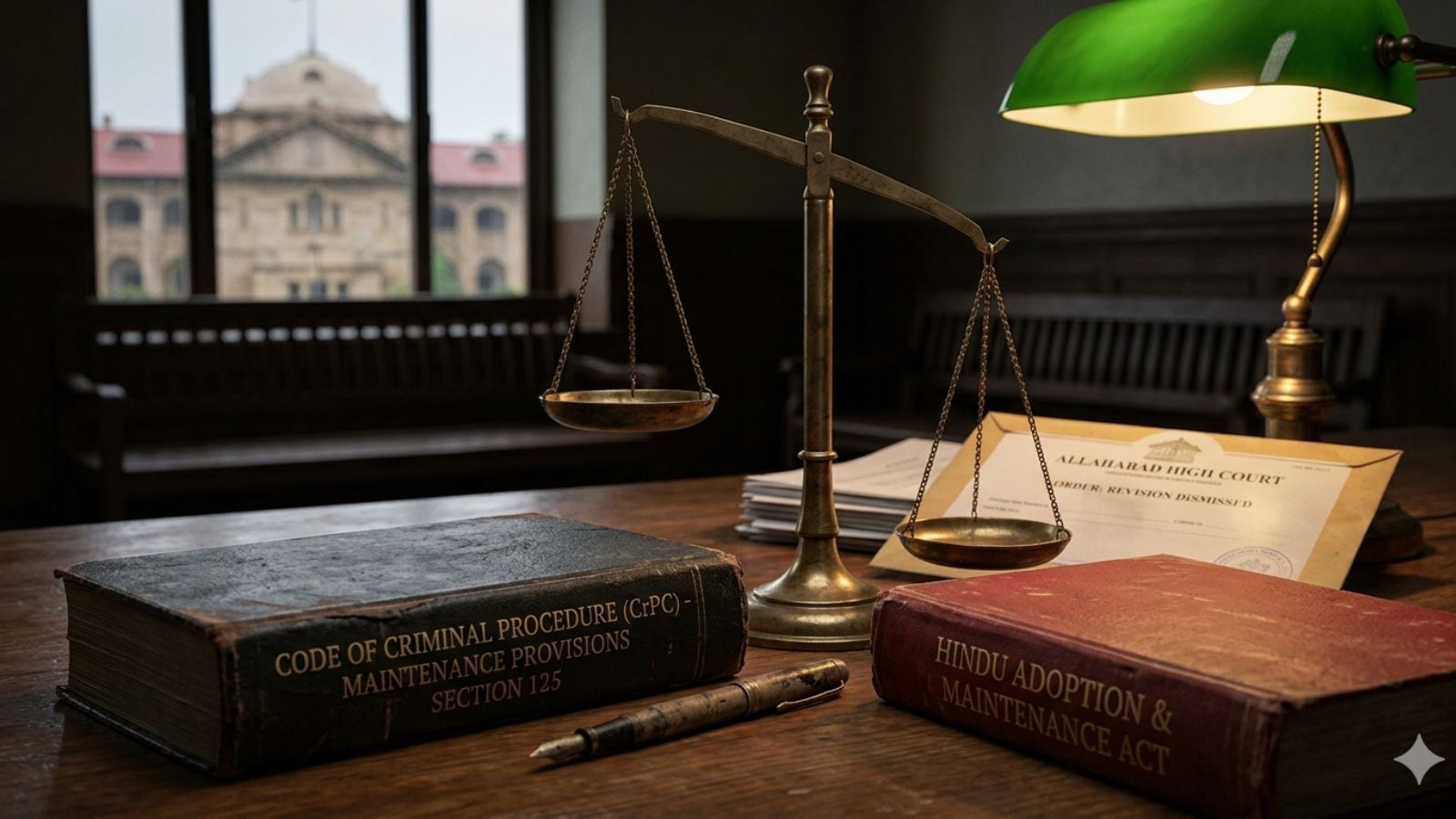
The Allahabad High Court has ruled that a daughter-in-law is not legally obligated to provide maintenance to her parents-in-law under Section 125 of the Code of Criminal Procedure (CrPC), now corresponding provisions under the Bharatiya Nagarik Suraksha Sanhita (BNSS). The decision came after an elderly couple sought maintenance from their daughter-in-law following their son’s death. The court emphasized that while a moral obligation may exist, it cannot be enforced as a legal one without a statutory mandate. The couple’s petition, which was initially rejected by the family court in Agra on August 21, 2025, argued that they were wholly dependent on their deceased son and that their daughter-in-law, a police constable, received all his service and post-retirement benefits.
Key Points:
- The Allahabad High Court dismissed the petition of an elderly couple seeking maintenance from their daughter-in-law.
- The court cited Section 125 of the CrPC/BNSS, stating it does not include parents-in-law as eligible for maintenance.
- The couple argued they were completely dependent on their deceased son, a police constable.
- The daughter-in-law, also a police constable, received the son’s service and retirement benefits.
- The couple’s counsel plans to file an application with the district magistrate under the Hindu Adoption and Maintenance Act.
Key Takeaways:
- Indian law, specifically Section 125 of the CrPC/BNSS, does not currently recognize a legal obligation for a daughter-in-law to maintain her parents-in-law.
- The ruling highlights the distinction between moral and legal obligations in the context of family law.
- The case underscores the financial vulnerability of elderly parents who are dependent on their children.
- Alternative legal avenues, such as the Hindu Adoption and Maintenance Act, may offer potential relief for parents-in-law seeking maintenance.
 First Piper