
Sun Mar 29 05:40:02 UTC 2026: ### Headline: IRGC Tightens Grip on Iranian State Machinery Amid Full-Blown War
The Story:
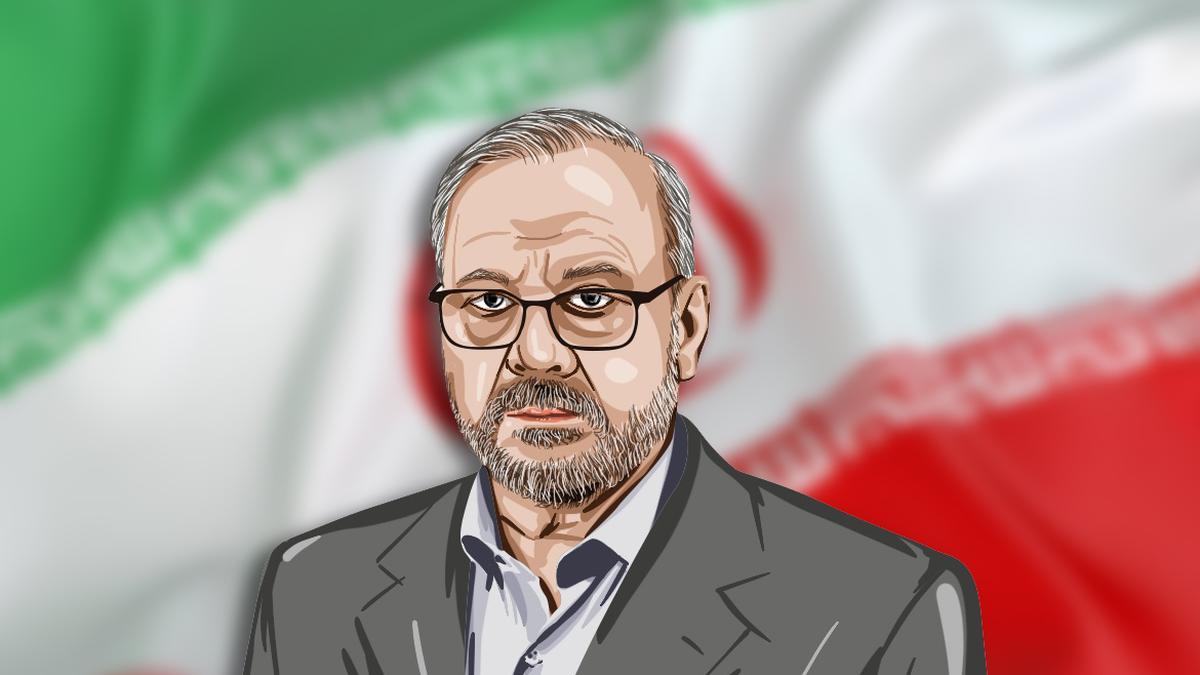
Following a devastating attack on Israel on October 7, 2023, which led to the death of at least 1,200 people, and the subsequent assassination of key Iranian leaders including Ali Khamenei and Ali Larijani in February 2026 and March 17, 2026, respectively, the Islamic Revolutionary Guard Corps (IRGC) is consolidating its power within Iran. The appointment of Mohammad Bagher Zolqadr as the Secretary of the Supreme National Security Council on March 24, 2026, signals a significant shift, placing a hardline Guardsman at the center of Iran’s security decision-making during a period of intense conflict with the U.S. and Israel.
This transition reflects a broader trend where the IRGC, traditionally a powerful institution, is gaining even greater control over the Iranian state. Zolqadr’s appointment underscores the military establishment’s ascendance in Iran’s complex power structure.
Key Points:
- October 7, 2023: Hamas attack on Israel, killing at least 1,200 people.
- February 28, 2026: The U.S. and Israel launched a war on Iran, killing Ali Khamenei, Iran’s Supreme Leader.
- March 17, 2026: Ali Larijani, Secretary of the Supreme National Security Council, assassinated by an Israeli air strike.
- March 24, 2026: Mohammad Bagher Zolqadr appointed as Larijani’s successor as Secretary of the Security Council.
- Zolqadr is a veteran Guardsman associated with the ‘Mansouroun’ network and has a long history within the IRGC.
- The war has shifted the balance of power in Iran further towards the Guards.
Critical Analysis:
The provided context, including the mention of Mohammad Ghalibaf as a potential US-backed leader, hints at internal power struggles and potential fractures within the Iranian political landscape. The assassination of key leaders and the subsequent rise of hardliners like Zolqadr suggest a deliberate strategy to consolidate power within the IRGC, possibly to counter perceived external threats and internal dissent.
Key Takeaways:
- The conflict with the U.S. and Israel has created an environment conducive to the IRGC’s power grab.
- Zolqadr’s appointment signifies a hardening of Iran’s security policy and a more assertive stance in the ongoing conflict.
- The internal dynamics of Iranian politics are increasingly influenced by the military establishment.
- The assassinations of key leaders have destabilized the region and created a power vacuum.
Impact Analysis:
The consolidation of power by the IRGC has significant long-term implications for the region. It suggests a potential for increased military intervention in regional conflicts, a more hardline approach to negotiations with the West, and a potential escalation of tensions with Israel and the U.S. The rise of Zolqadr signals a shift away from political solutions towards a more security-focused and militarized approach to governing Iran.
 First Piper