
Sat Mar 28 05:05:17 UTC 2026: Headline: Ballistic Missile Intercepted Near Abu Dhabi, Injuring Five Indian Nationals
The Story:
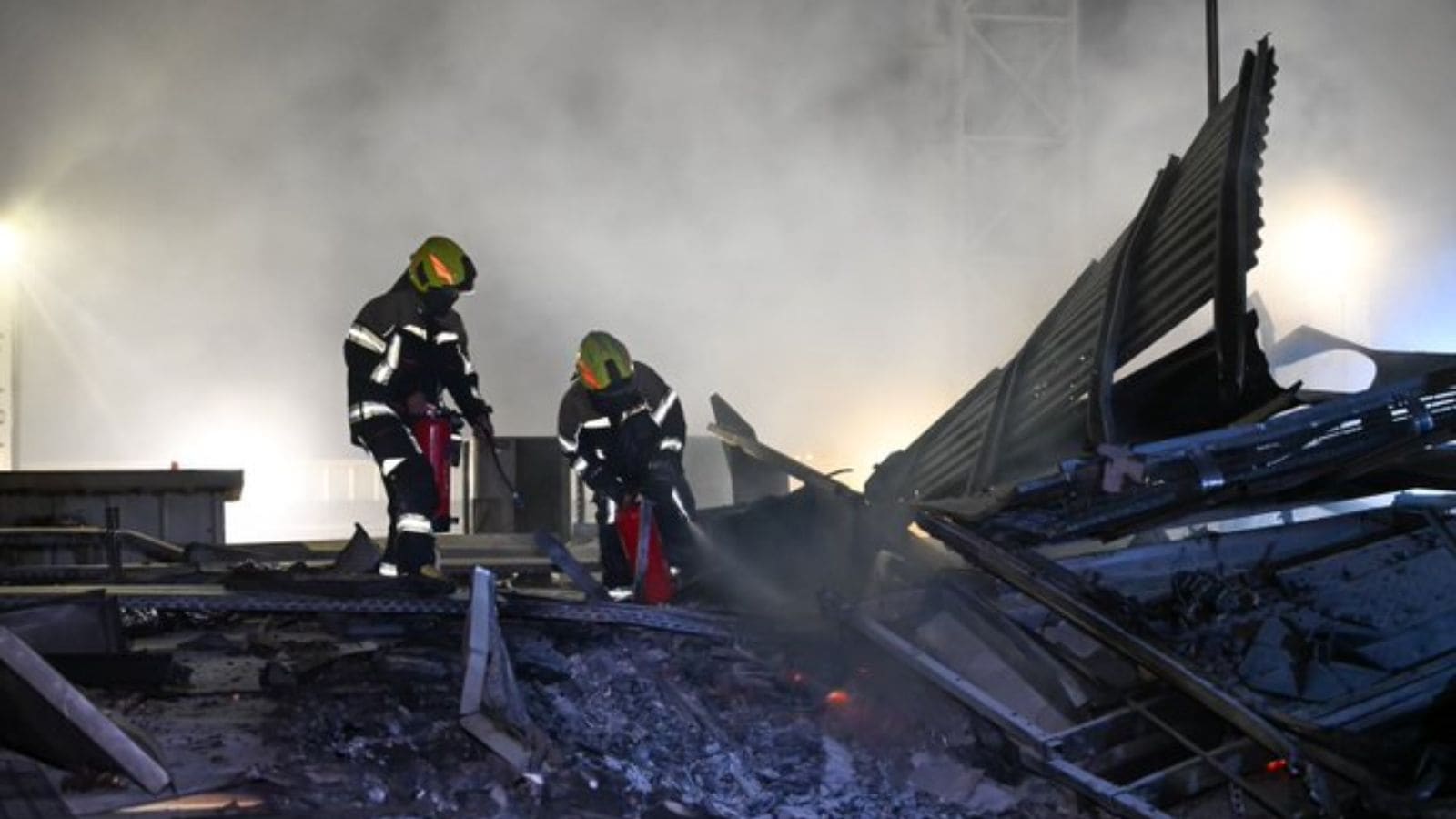
On Saturday, March 28, 2026, a ballistic missile was intercepted by air defense systems near Khalifa Economic Zones Abu Dhabi (KEZAD) in Abu Dhabi. The Abu Dhabi Media Office confirmed the incident via X, stating that authorities were responding to two fire incidents caused by falling debris. Tragically, five Indian nationals sustained moderate to minor injuries as a result of the falling debris. This incident follows a previous event on Thursday where an Indian national was among two killed in the UAE due to missile debris.
Key Points:
- A ballistic missile was intercepted near Khalifa Economic Zones Abu Dhabi (KEZAD).
- The interception resulted in falling debris, causing two fire incidents.
- Five Indian nationals sustained moderate to minor injuries.
- Authorities have urged the public to rely only on official sources for information.
- An Indian national was killed earlier in the week due to similar circumstances, bringing the total death toll of Indians in the conflict to seven.
Critical Analysis
The mention of 3,500 US troops arriving in the Middle East on the same day suggests a potential escalation of regional tensions. The missile interception and subsequent injuries could be interpreted as a direct consequence of this increased military presence and heightened geopolitical instability. PM Modi speaking to the Saudi Crown Prince shows the gravity of the situation, and the need for diplomacy.
Key Takeaways:
- The interception of ballistic missiles near civilian areas poses a significant risk to the population.
- The incident highlights the vulnerability of infrastructure and civilian populations to missile attacks in the region.
- The repeated targeting or proximity of attacks to the UAE, a key economic hub, raises concerns about regional stability.
- The increasing number of Indian casualties underscores India’s vulnerability in the conflict and the need for diplomatic efforts to protect its citizens abroad.
- The call for citizens to avoid misinformation implies a tense information environment and the potential for manipulation.
Impact Analysis:
This event series has several long-term implications:
- Geopolitical Instability: The attacks and military response will likely contribute to further instability in the region, potentially drawing in more actors and escalating the conflict.
- Economic Impact: Repeated attacks near economic zones like KEZAD could deter foreign investment and disrupt business operations in the UAE.
- Diplomatic Relations: The incidents could strain relations between involved nations, particularly if attacks are attributed to specific state or non-state actors. India’s diplomatic efforts to protect its citizens will be crucial.
- Security Measures: The UAE is likely to increase investment in its air defense systems and enhance security measures around critical infrastructure.
- Regional Alliances: The events may prompt a realignment of regional alliances and security partnerships, as countries seek to bolster their defense capabilities and protect their interests.
 First Piper