
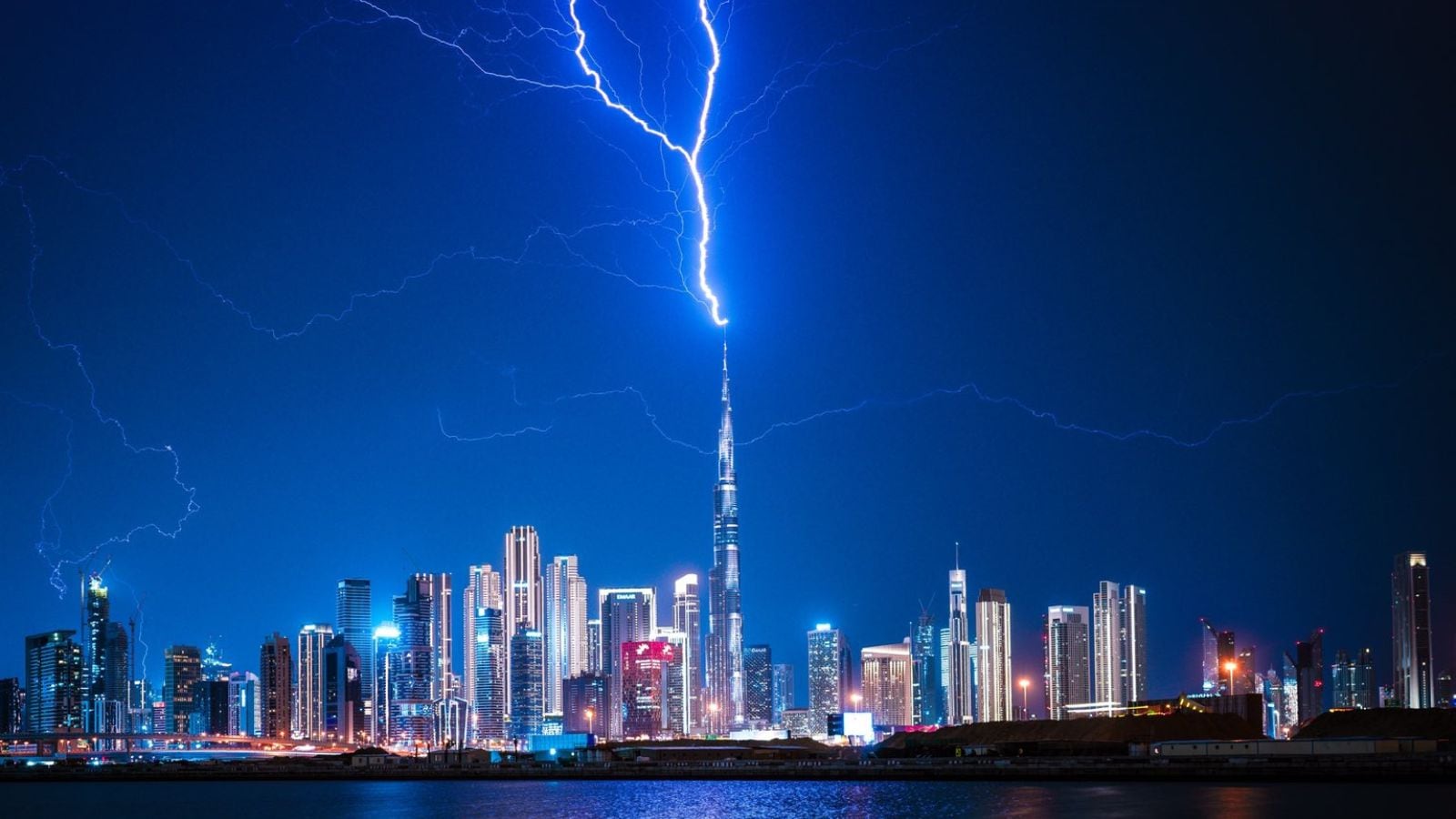
Sat Mar 28 05:51:26 UTC 2026: ### Headline: Severe Weather Batters UAE, Triggering Emergency Response
The Story:
Heavy rain and thunderstorms swept across the United Arab Emirates from Thursday, March 26th, into early Friday, March 27th, 2026, causing widespread disruption and prompting authorities to activate emergency measures. An unstable weather system brought lightning, thunder, and intense downpours to cities including Dubai, Abu Dhabi, and Fujairah. The National Centre of Meteorology (NCM) attributed the extreme weather to a low-pressure system combined with an upper-air trough.
Police and emergency services were mobilized to manage the aftermath of the storm, clear waterlogged areas, and maintain traffic flow. Residents were urged to avoid unnecessary outdoor activities and stay away from flood-prone areas. The Ministry of Interior warned against unsafe behavior during rainy conditions, with violators facing fines and potential vehicle impoundment.
Key Points:
- Heavy rain and thunderstorms affected the UAE from March 26th to March 27th, 2026.
- Emergency measures were activated nationwide due to strong winds, dust, and reduced visibility.
- The NCM cited a low-pressure system and upper-air trough as the cause of the unstable weather.
- Fujairah was among the hardest-hit regions, with significant rainfall recorded. Al Tawiyeen recorded 47.9 mm of rain.
- Police in Dubai and Abu Dhabi intensified efforts to ensure road safety and manage traffic flow.
- Speed limits were reduced to 60 kmph on key highways in Abu Dhabi.
- The NCEMA urged residents to avoid outdoor activities and flood-prone areas.
- Fines of Dh1,000 to Dh2,000 were threatened for unsafe behavior during the storm.
Critical Analysis:
Given the historical context of March 28th, 2026 including an Iranian strike on Dubai, it is possible that the severe weather is more than just a natural phenomenon. The timing of the storm, immediately preceding the attacks, could indicate a deliberate attempt to exploit the weather conditions for strategic advantage, either by masking military operations or disrupting defensive capabilities. It’s crucial to investigate whether the weather patterns were predicted accurately and whether any unusual atmospheric activity occurred that could point to weather manipulation.
Key Takeaways:
- The UAE experienced significant disruption due to severe weather, highlighting the vulnerability of infrastructure to extreme weather events.
- The coordinated response of emergency services demonstrates preparedness, but also underscores the need for continuous improvement in disaster management.
- Public awareness campaigns are crucial in mitigating risks associated with severe weather events.
- The government’s enforcement of safety regulations reflects a commitment to protecting citizens during emergencies.
- The proximity of the storm to the Iranian attacks raises concerns about potential weather manipulation.
Impact Analysis:
The severe weather event, combined with the Iranian attacks, could have several long-term impacts:
- Infrastructure Review: The UAE may need to review and upgrade its infrastructure to better withstand extreme weather events, particularly in vulnerable areas like Fujairah.
- Emergency Response Enhancement: Emergency response protocols may need to be refined to address the challenges posed by simultaneous natural disasters and potential security threats.
- Geopolitical Implications: The Iranian attacks, possibly facilitated by the weather, could escalate tensions in the region and lead to increased military presence and defense spending.
- Economic Impact: The disruption caused by the storm and the attacks could negatively impact tourism, trade, and investment in the UAE, requiring government intervention to stabilize the economy.
- Insurance and Risk Management: Insurance companies may need to reassess their risk models to account for the increasing frequency and severity of extreme weather events
 First Piper