
Sun Mar 29 02:50:57 UTC 2026: ### Headline: Iranian Politicians Push for NPT Withdrawal Amidst Escalating US-Israeli Attacks
The Story:
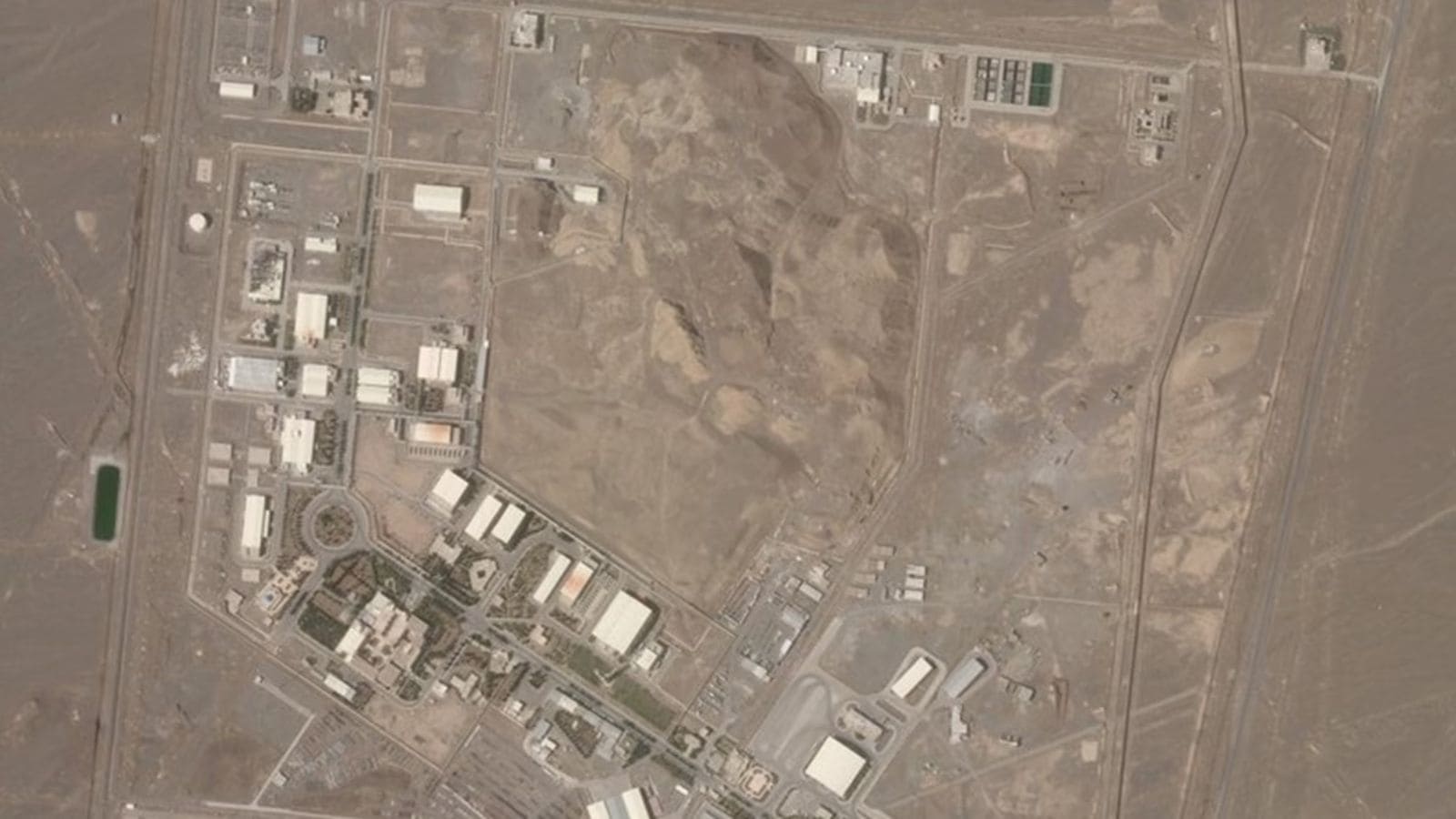
Iranian politicians are advocating for the country’s withdrawal from the Treaty on the Non-Proliferation of Nuclear Weapons (NPT) in response to ongoing strikes by the United States and Israel on Iranian nuclear facilities, including those in Bushehr. A bill has been introduced in parliament to initiate the withdrawal process, though final approval rests with key state bodies, including the Guardian Council. The move comes amidst growing accusations from Iranian officials that the International Atomic Energy Agency (IAEA) is biased.
The proposed legislation also seeks to repeal the Iranian law that provides the framework for the 2015 Iran nuclear deal, which the United States abandoned under President Donald Trump. According to Iranian officials, remaining a signatory to the NPT is meaningless as the treaty has failed to protect Iran from attacks on its nuclear facilities.
Key Points:
- Iranian politicians are calling for withdrawal from the Treaty on the Non-Proliferation of Nuclear Weapons (NPT).
- The call follows alleged strikes by the United States and Israel on Iranian nuclear facilities, including in Bushehr.
- A bill has been introduced in parliament to begin the withdrawal process, requiring approval from the Guardian Council.
- Iranian officials accuse the International Atomic Energy Agency (IAEA) of bias.
- The move includes a push to repeal the Iranian law framework for the 2015 Iran nuclear deal.
Critical Analysis:
The historical context indicates a recent Iranian strike on a US E-3 Sentry ‘AWACS’ (March 29, 2026), which represents a significant escalation in direct military confrontation between Iran and the US. Combined with the primary article’s reference to US and Israeli attacks on Iranian nuclear facilities, it creates a clear picture of escalating conflict. The call for NPT withdrawal can be seen as a direct response to these attacks and potentially a strategic move to deter further strikes by signaling a possible shift in Iran’s nuclear policy.
Key Takeaways:
- Escalating military tensions between Iran, the US, and Israel are driving Iran’s consideration of withdrawing from the NPT.
- The move is linked to perceived failures of the NPT to protect Iran’s nuclear facilities from attack.
- Iranian domestic political considerations, including accusations of IAEA bias, are playing a role.
- The final decision to withdraw rests with Iranian state bodies and will depend on the evolving conflict.
- The potential withdrawal poses a significant threat to nuclear non-proliferation efforts and could destabilize the region.
Impact Analysis:
Iran’s potential withdrawal from the NPT carries significant long-term implications. It could trigger a regional nuclear arms race, prompting other nations to reconsider their non-proliferation commitments. International monitoring and verification of Iran’s nuclear activities would be severely hampered, increasing uncertainty about its nuclear program. Diplomatic efforts to de-escalate tensions and revive the 2015 nuclear deal would become even more challenging. The withdrawal could also lead to further economic sanctions and international isolation for Iran, potentially exacerbating regional instability. The action could trigger a reevaluation of the NPT’s effectiveness and its future role in global security.
 First Piper