
Sun Mar 29 11:00:38 UTC 2026: ### Iran Warns of U.S. Ground Attack Amidst Diplomatic Overtures
The Story:
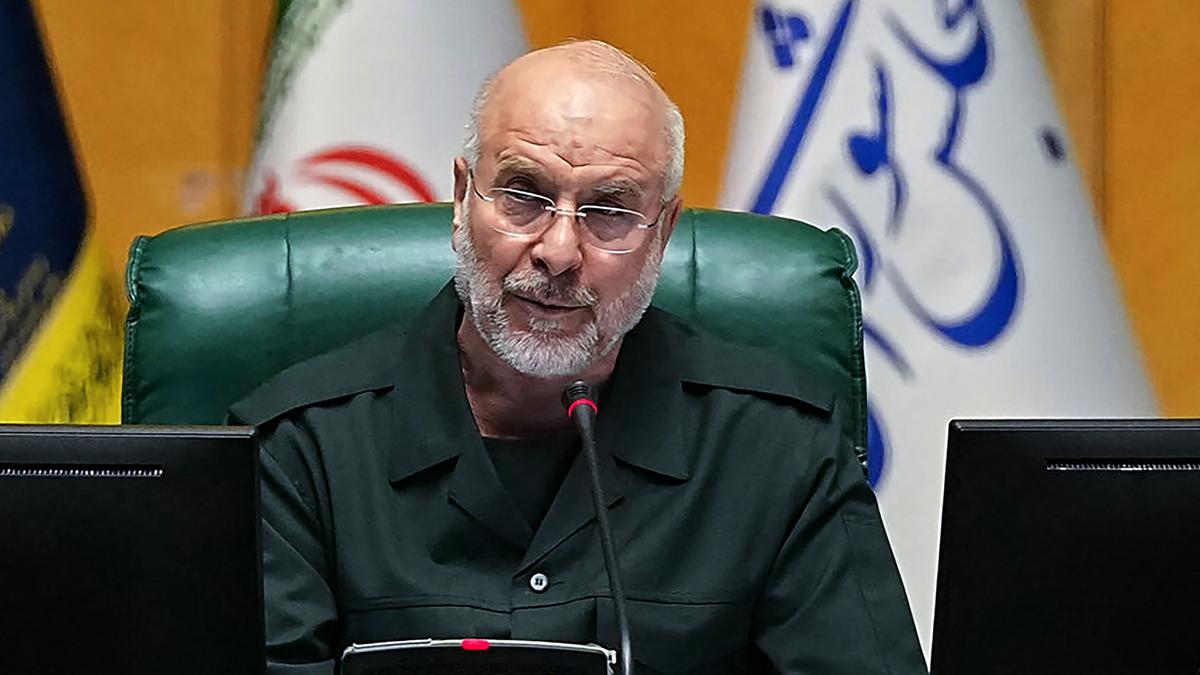
Iran’s Parliament Speaker Mohammad Bagher Ghalibaf accused the United States on March 29, 2026, of plotting a ground attack on Iran despite publicly engaging in diplomatic efforts to end the ongoing regional war. This war began a month prior, on February 28, 2026, with Israeli and U.S. airstrikes on Iran that resulted in the death of Iran’s supreme leader. Ghalibaf vowed a strong response to any ground incursion, threatening to “set them on fire and punish their regional allies.” The conflict has severely disrupted shipping in the Strait of Hormuz, impacting global oil and gas supplies.
Key Points:
- Mohammad Bagher Ghalibaf accuses the U.S. of planning a ground attack despite diplomatic efforts.
- The regional war was sparked by Israeli and U.S. airstrikes on February 28, 2026, which killed Iran’s supreme leader.
- Shipping in the Strait of Hormuz is severely disrupted.
- Ghalibaf calls for Iranian unity and vows to punish the United States.
Critical Analysis:
The accusation of duplicity by Speaker Ghalibaf highlights the deep mistrust between Iran and the United States, a sentiment fueled by decades of political tension and conflict. The timing of the statement, amidst ongoing diplomatic efforts, suggests a strategic move by Iran to deter further escalation and potentially gain leverage in negotiations. The reference to punishing “regional allies” indicates that Iran is likely to retaliate against countries perceived as supporting the U.S. and Israel, further destabilizing the region.
Key Takeaways:
- The conflict between Iran, Israel, and the U.S. is escalating, with a high risk of further military action.
- The disruption to shipping in the Strait of Hormuz has significant global economic implications.
- Distrust and conflicting agendas undermine diplomatic efforts to resolve the crisis.
- Regional allies of the U.S. are at risk of retaliation from Iran.
Impact Analysis:
This ongoing conflict has the potential to reshape the geopolitical landscape of the Middle East. The disruption to oil and gas supplies from the Strait of Hormuz could lead to a global energy crisis. A U.S. ground invasion, if it occurs, would likely lead to a protracted and bloody conflict with far-reaching consequences. The long-term impacts include increased regional instability, potential for proxy wars, and a realignment of alliances in the Middle East. The international community faces the challenge of de-escalating the conflict and preventing further loss of life and economic disruption.
 First Piper