
Sun Mar 29 15:17:42 UTC 2026: # Banerjee Declares Herself the “Candidate Everywhere” in West Bengal Assembly Elections
The Story:
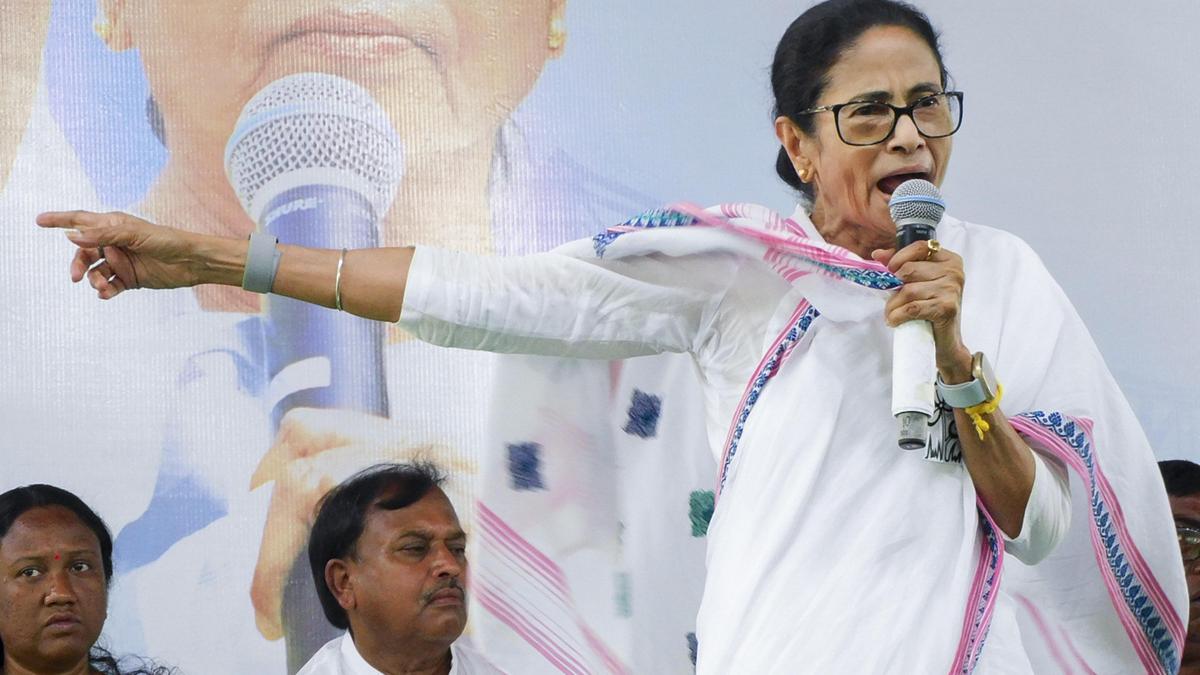
West Bengal Chief Minister Mamata Banerjee has urged voters to consider her as the candidate in all 294 seats of the West Bengal Assembly for the 2026 elections. This statement, made during a rally in Purulia district on March 29, 2026, echoes a similar sentiment she expressed ahead of the 2016 polls amidst corruption allegations against Trinamool Congress leaders. Banerjee’s campaign is heavily centered around her persona, a strategy that proved successful in the 2021 elections against the Bharatiya Janata Party (BJP).
Banerjee also responded to Union Home Minister Amit Shah’s criticism that she plays the “victim card,” referencing her injury during the 2021 elections and questioning whether the BJP wants her dead. Meanwhile, Trinamool Congress general secretary Abhishek Banerjee addressed discontent among party supporters in Murshidabad, assuring them that he is the candidate if they are dissatisfied with the nominated MLA.
Key Points:
- Mamata Banerjee declared herself the candidate in all 294 West Bengal Assembly seats.
- This strategy mirrors her approach during the 2016 elections following corruption allegations.
- The Trinamool Congress has fielded candidates in 291 seats, leaving 3 for its ally, Bharatiya Gorkha Prajatantrik Morcha.
- Banerjee responded to Amit Shah’s accusations of playing the “victim card,” citing her past injury and questioning the BJP’s intentions.
- Abhishek Banerjee addressed internal dissent, stating he is the candidate for those dissatisfied with local nominees.
Critical Analysis:
The declaration of Mamata Banerjee as the sole candidate in all constituencies is a tactic to consolidate voter support and project an image of unified leadership within the Trinamool Congress. This strategy serves to counteract potential internal divisions or dissatisfaction with individual candidates, particularly in light of Abhishek Banerjee’s need to quell dissent in Murshidabad. This could be a response to the Election Commission suspending Kannur district information officer over alleged PRD release favoring LDF candidate that could potentially indicate a pattern of attempts to influence the election.
Key Takeaways:
- Mamata Banerjee’s campaign strategy heavily relies on her personal image and appeal.
- The Trinamool Congress is attempting to manage internal dissent and present a united front.
- The exchange between Banerjee and Amit Shah highlights the intense political rivalry in West Bengal.
- The campaign is already marked by accusations and counter-accusations, suggesting a highly contested election.
- The reference to the 2016 Narada sting operation underscores the enduring impact of corruption allegations on the Trinamool Congress.
Impact Analysis:
Mamata Banerjee’s “candidate everywhere” strategy could significantly impact voter behavior and election outcomes. It aims to transform the election into a referendum on her leadership, potentially mobilizing core supporters and swaying undecided voters. However, it also carries the risk of alienating voters who prefer localized representation and accountability. The success of this strategy will depend on Banerjee’s ability to maintain her popularity and effectively address voter concerns across all constituencies. The upcoming election will test the enduring power of Banerjee’s charisma and the effectiveness of her campaign strategy in a rapidly evolving political landscape.
 First Piper