
Sun Mar 29 13:31:51 UTC 2026: # Anti-War Protests in Israel Met with Force Amidst Rising Tensions with Iran
The Story:
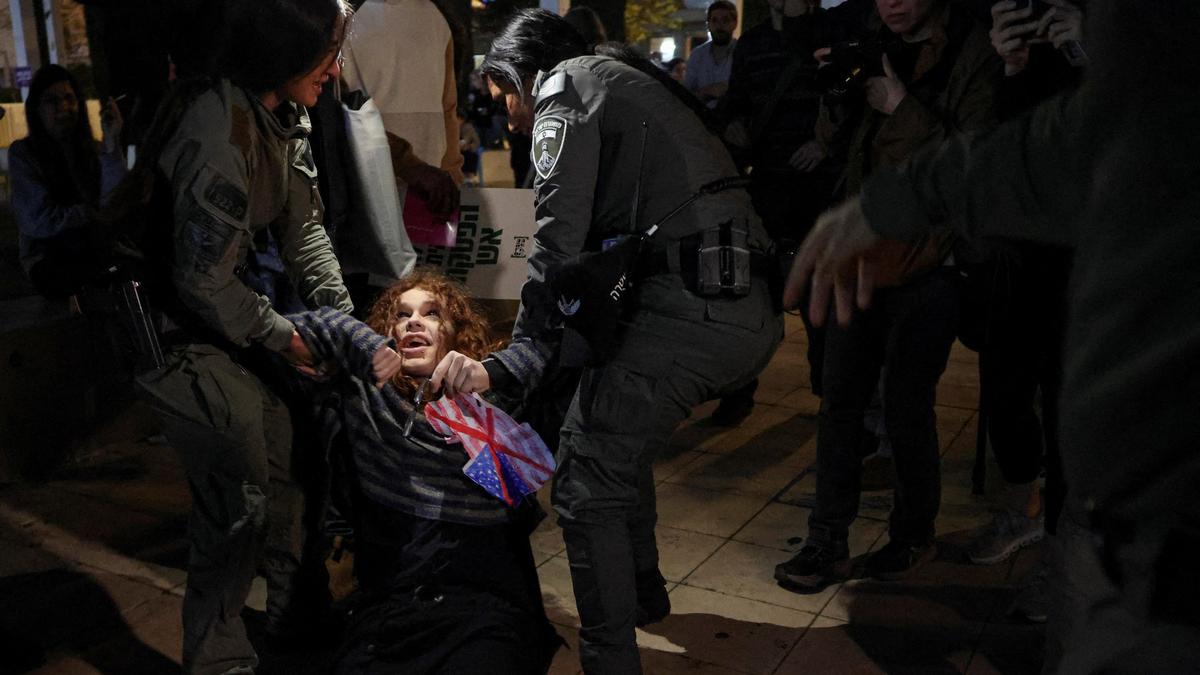
Hundreds of demonstrators gathered in Tel Aviv and other Israeli cities on Saturday, March 28, 2026, to protest the ongoing war between Israel and the United States against Iran. These unauthorized demonstrations, which have been occurring weekly since the war began on February 28, 2026, have seen increasing participation. Israeli security forces intervened to disperse the protests, resulting in arrests and physical altercations. The demonstrations included participation from former Parliamentarians and left-wing organizations.
Despite rising dissent, public support for the war remains high, particularly among Jewish Israelis. However, opposition is growing, albeit slowly, as the conflict enters its fourth week with no clear end in sight. The government’s restrictions on gatherings due to wartime security guidelines further complicate the situation.
Key Points:
- Protests against the Israeli-U.S. war with Iran took place in Tel Aviv and other Israeli cities on March 28, 2026.
- Security forces dispersed the unauthorized demonstrations, leading to arrests and physical altercations.
- Several former Parliamentarians and left-wing organizations participated in the rallies.
- Wartime security guidelines prohibit gatherings of more than 50 people.
- Public support for the war remains high among Jewish Israelis (78%), but opposition is growing.
- Police arrested 13 people in Tel Aviv and 5 in Haifa.
Critical Analysis:
The protests in Israel, coupled with Iran’s vow of retaliation for Israeli strikes on nuclear sites, suggest a rapidly escalating conflict with potential for significant regional instability. The Israeli government’s suppression of dissent, while justified under wartime security measures, risks further alienating a segment of the population and could fuel further unrest. The reference to Prime Minister Netanyahu’s “game plan” also suggests underlying political motivations for the war, which could undermine public trust in the long run.
Key Takeaways:
- The war between Israel/US and Iran is facing growing internal opposition within Israel, despite overall high support.
- The Israeli government is actively suppressing dissent through arrests and enforcement of wartime regulations.
- The lack of a clear objective or exit strategy for the war is fueling public anxiety and opposition.
- The conflict is contributing to a climate of fear and restriction of civil liberties within Israel.
- Iran’s threat of retaliation indicates a high probability of further escalation.
Impact Analysis:
The events described have significant long-term implications. The suppression of dissent within Israel could lead to a polarization of society and a weakening of democratic institutions. The ongoing conflict with Iran threatens regional stability and could draw in other actors, leading to a wider war. The economic costs of the war, combined with the social unrest, could have a lasting impact on Israel’s economy and social fabric. The rising opposition, even if small, suggests a potential shift in public opinion that could influence future Israeli policy.
 First Piper