
Sat Mar 28 07:54:55 UTC 2026: ### India’s End-of-Life Care Remains in Limbo After Supreme Court Ruling
The Story:
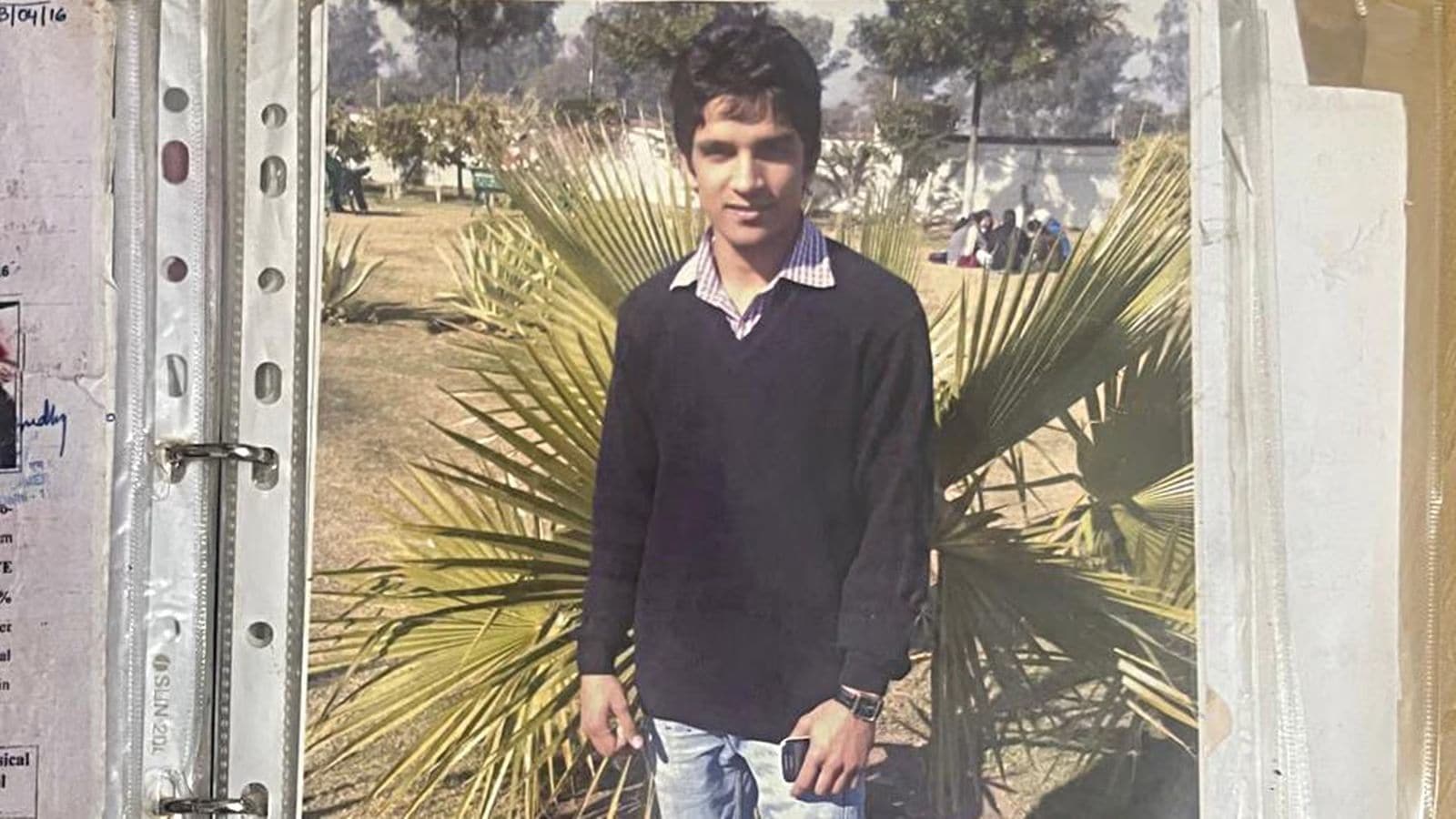
The death of Harish Rana, who remained in a vegetative state for thirteen years, has reignited the debate surrounding end-of-life care in India. Following a Supreme Court ruling to discontinue life support, Rana’s case underscores the persistent absence of a comprehensive legal framework governing euthanasia and the right to die with dignity. The judiciary, prompted by legislative inaction, has repeatedly intervened to fill this void, setting guidelines and recognizing rights, but a formal legal structure remains elusive.
Key Points:
* Harish Rana’s life support was discontinued following a Supreme Court ruling, highlighting the need for end-of-life care legislation.
* The Law Commission of India recognized the need for legislation as far back as 2006.
* The Supreme Court in Aruna Shanbaug v. Union of India allowed passive euthanasia under judicial supervision, emphasizing the temporary nature of the recommendations.
* The Supreme Court in Common Cause (2018) established the right to die with dignity as a constitutional right.
* The court acknowledged the potential for socio-economic factors to influence end-of-life choices in the absence of a clear legal framework.
* The Court has redefined passive euthanasia as a medical and institutional procedure, which is focused on clinical judgment and guarded by a two-level system of medical board, thus minimising the necessity of judicial action.
Critical Analysis:
The historical context provided offers no direct relation to the primary article and its themes of law, ethics, and end-of-life care. Therefore, no analysis is applicable.
Key Takeaways:
* Legislative inaction on end-of-life care continues to force judicial intervention in India.
* The Supreme Court has established the right to die with dignity, but a comprehensive legal framework is still lacking.
* The absence of legislation creates vulnerabilities for individuals and families facing difficult end-of-life decisions.
* The judiciary’s actions represent a form of “gap-filling constitutionalism” where fundamental rights are protected in the absence of statutory law.
* The situation underscores the need for Parliament to enact legislation that balances individual rights with safeguards against potential abuse.
 First Piper