
Sat Mar 28 19:09:59 UTC 2026: # Nepal’s Political Landscape Shaken by Arrest of Former Prime Minister Oli
The Story:
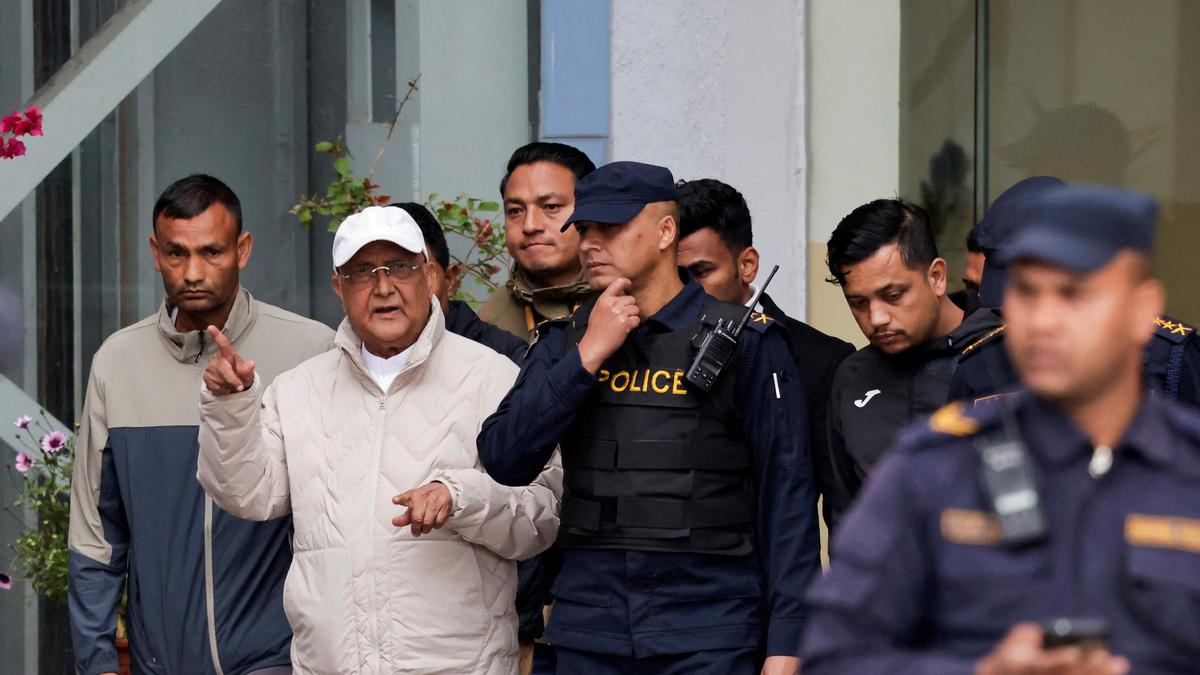
Nepal is experiencing heightened political turmoil following the arrest of former Prime Minister K.P. Sharma Oli and former Home Minister Ramesh Lekhak on Saturday, March 28, 2026. The arrests, ordered by the new government led by Balendra Shah of the Rastriya Swatantra Party (RSP), are related to culpable homicide charges stemming from the September 2025 Gen Z protests, during which 76 people died, including 19 in police firing. The arrests have sparked protests by Oli’s Communist Party of Nepal (Unified Marxist–Leninist) and raised concerns about political vendettas.
Key Points:
- Former Prime Minister K.P. Sharma Oli and former Home Minister Ramesh Lekhak were arrested on March 28, 2026, on charges of culpable homicide related to the September 2025 Gen Z protests.
- The arrests were based on the recommendations of a probe commission investigating the events of September 8 and 9, 2025.
- The new government, led by Balendra Shah of the RSP, decided to implement the commission’s report after its landslide victory in the March 5, 2026, elections.
- Home Minister Sudhan Gurung announced the arrests on social media, emphasizing that they were not an act of revenge but a pursuit of justice.
- Protests erupted in Kathmandu by supporters of K.P. Sharma Oli, leading to clashes with police.
- Critics are raising concerns about the arrests being politically motivated and questioning the timing and haste of the new government’s actions.
Key Takeaways:
- The arrests signify a major shift in Nepal’s political landscape following the recent elections and reflect a potential crackdown on past administrations.
- The events highlight the deep divisions and political tensions within Nepal, particularly between the ruling RSP and the Communist Party of Nepal (Unified Marxist–Leninist).
- The situation underscores the challenges faced by the new government in balancing its mandate for change with the need for due process and adherence to the rule of law.
- The Gen Z protests were a significant catalyst for political change, and the subsequent actions of the new government demonstrate the enduring impact of these events.
- The response to these arrests, both domestically and internationally, will likely shape the future trajectory of Nepali politics.
Impact Analysis:
The arrest of former Prime Minister K.P. Sharma Oli has significant long-term implications for Nepal.
- Political Instability: The arrests could lead to increased political instability and polarization, as Oli’s party is likely to mobilize its supporters and challenge the new government’s legitimacy. This could result in further protests, demonstrations, and potentially even violence.
- Erosion of Trust: The perception of politically motivated arrests could erode public trust in the government and the justice system, particularly if due process is not followed meticulously.
- Impact on International Relations: The international community will be closely watching how the situation unfolds, and concerns about human rights and the rule of law could impact Nepal’s relations with key partners.
- Precedent Setting: The arrests set a precedent for holding former government officials accountable for past actions, which could deter future abuses of power but also create a climate of fear and retribution.
- Future of RSP: The RSP’s handling of this crisis will be crucial in determining its long-term viability as a ruling party. A misstep could undermine its credibility and pave the way for a resurgence of traditional political forces.
 First Piper