
Sun Mar 29 15:27:55 UTC 2026: # Journalism Faces Modern Disruptions Amidst Iranian War Fuel Price Surge
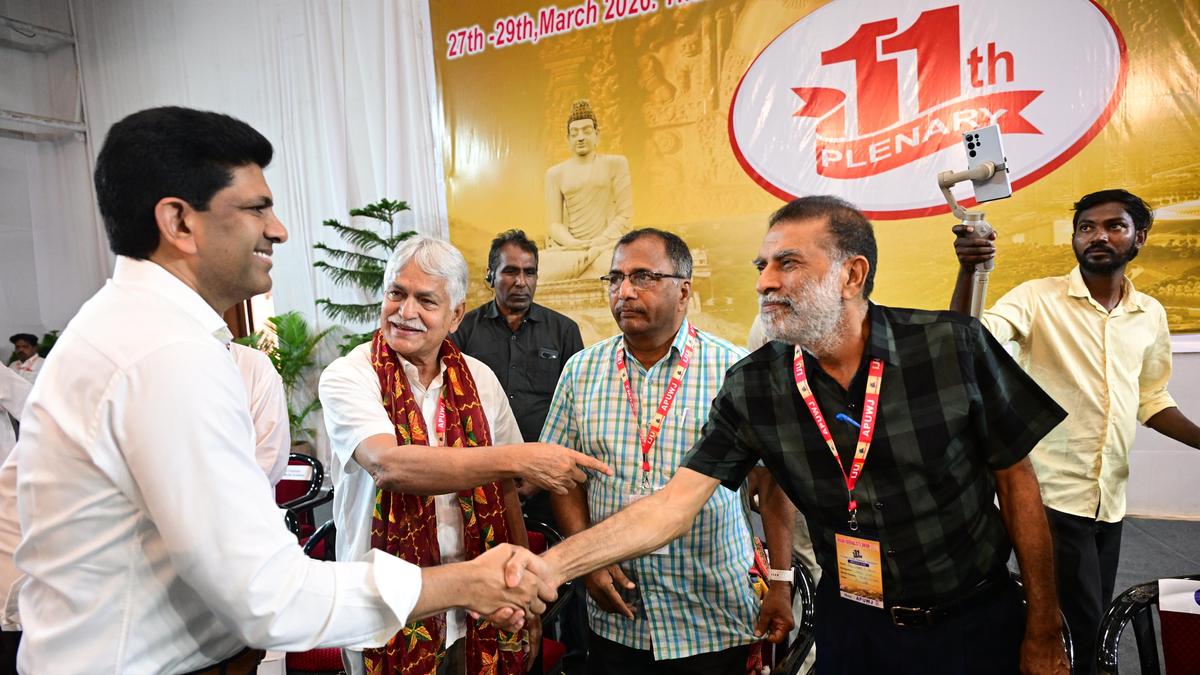
The Story: Union Minister of State for Rural Development and Communications Pemmasani Chandra Sekhar addressed the 11th plenary of the Indian Journalists’ Union (IJU) in Vijayawada on Sunday, March 29, 2026, highlighting the resilience of journalism in the face of historical and contemporary challenges. He emphasized the press’s crucial role as the “fourth pillar of democracy,” tracing its evolution from colonial resistance to nation-building, and acknowledging current threats from misinformation, political polarization, and financial instability. He further stressed the need for journalist welfare and ethical practices to restore public trust.
Key Points:
- Pemmasani Chandra Sekhar spoke at the 11th IJU plenary in Vijayawada on March 29, 2026.
- He emphasized journalism’s historical resilience against colonial censorship and its role in India’s independence movement.
- He acknowledged the current challenges of digital media, including misinformation, political polarization, and declining public trust.
- He stressed the importance of fact-based reporting, ethical practices, and journalist welfare to maintain credibility.
- He called for collective, mission-driven efforts to address systemic issues within the industry.
Critical Analysis:
The Minister’s speech is happening amidst a backdrop of rising fuel prices due to the Iranian war. This likely puts additional strain on journalists, particularly those in rural areas who may depend on personal vehicles to cover news. The concurrent news of free public transport being offered in Australian states suggests that governments globally are grappling with the economic fallout of the war, and the minister’s call for journalist welfare is particularly relevant in this context.
Key Takeaways:
- Journalism in India is facing a multifaceted crisis involving financial instability, declining trust, and the rise of misinformation.
- The government acknowledges the vital role of journalism in a democracy and the need to address the challenges it faces.
- Ethical practices, fact-based reporting, and journalist welfare are crucial for maintaining the integrity and credibility of the press.
- External events, such as the Iranian war and its impact on fuel prices, could exacerbate existing challenges for journalists.
- The call for collective action suggests that addressing these issues requires a multi-stakeholder approach involving the government, media organizations, and journalists themselves.
Impact Analysis:
The Minister’s address signals a potential shift towards greater government attention to the challenges facing the Indian media landscape. The emphasis on journalist welfare and ethical standards could lead to policy initiatives aimed at supporting the industry and promoting responsible journalism. However, the success of these efforts will depend on the willingness of all stakeholders to collaborate and implement meaningful reforms. The ongoing Iranian war and its economic consequences could further complicate the situation, potentially requiring more robust and targeted interventions to ensure the sustainability and independence of the Indian press. The rise of independent digital media suggests a potential fragmentation of the media landscape, which could either enhance diversity or further exacerbate the spread of misinformation, depending on the ethical standards and fact-checking capabilities of these platforms.
 First Piper