
Sat Mar 28 14:21:15 UTC 2026: ### Economic Advisor Warns of Downside Risks to India’s Growth Forecast Amid West Asia Conflict
The Story:
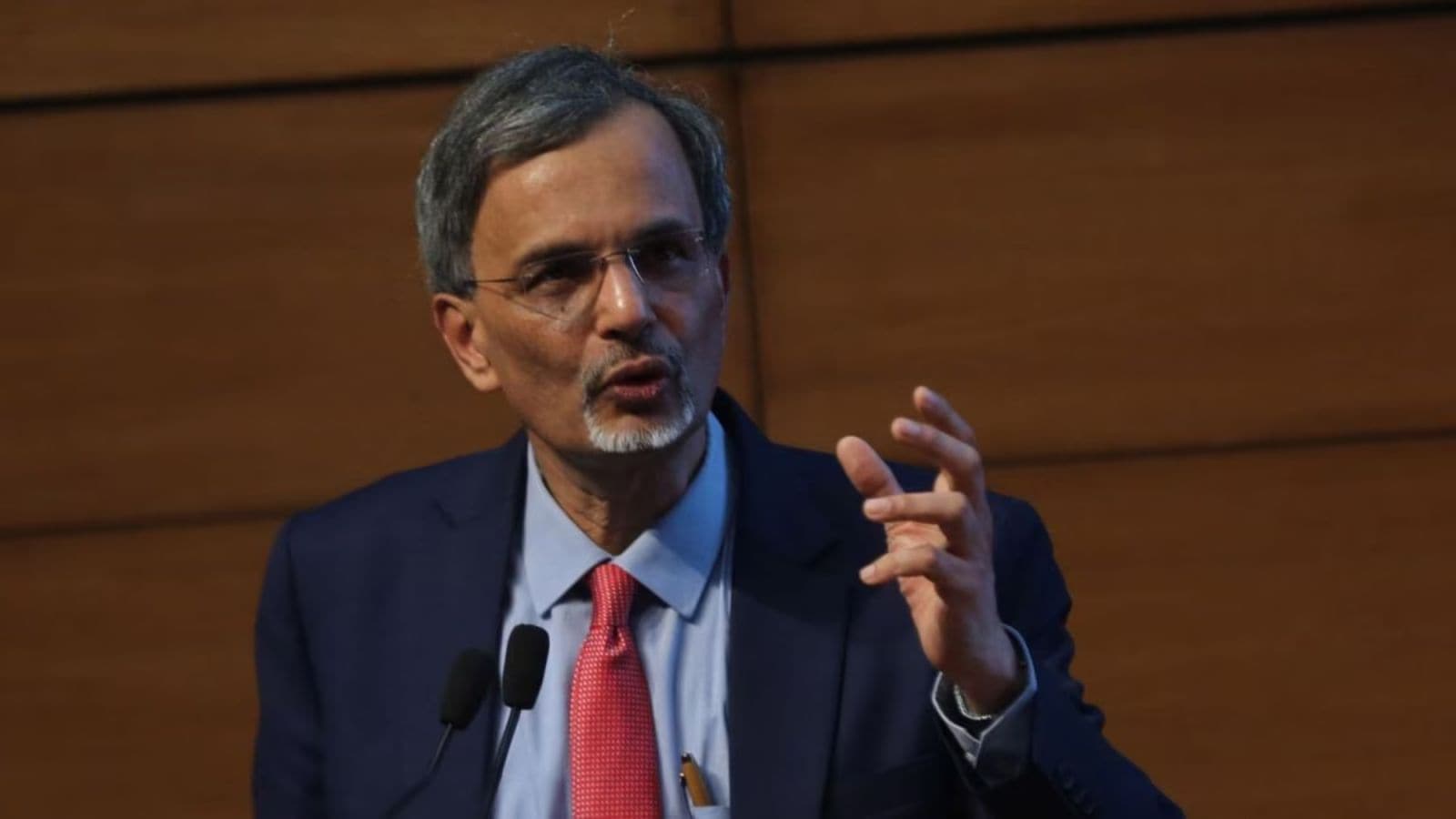
Chief Economic Advisor V Anantha Nageswaran has cautioned about “considerable downside” risks to India’s GDP growth forecast of 7-7.4% for 2026-27, citing the ongoing conflict in West Asia. He emphasized the need to reprioritize spending to provide targeted relief to those most affected by the conflict. This warning comes after the US and Israel attacked Iran, leading to a surge in global energy prices due to supply disruptions and the closure of the Strait of Hormuz. Economists have already begun lowering growth forecasts for India, and the Indian rupee has weakened significantly against the US dollar.
Key Points:
- V Anantha Nageswaran warns of downside risks to India’s GDP growth forecast of 7-7.4% for 2026-27 due to the conflict in West Asia.
- The conflict has led to a sharp rise in global energy prices after attacks on Iran and the closure of the Strait of Hormuz.
- Goldman Sachs lowered its projection for India’s calendar year 2026 growth by 110 bps to 5.9%.
- India’s crude oil basket price jumped to $111.93/bbl in March from $69.01/bbl in February.
- Foreign capital has seen a record exit from Indian financial markets – $13.3 billion in March.
- The Indian rupee has weakened by more than 4% against the US dollar since the war began, closing at 94.81 per dollar on Friday.
- The government cut the Special Additional Excise Duty (SAED) on petrol and diesel by Rs 10 per litre each.
Key Takeaways:
- The conflict in West Asia poses a significant threat to India’s economic growth due to supply disruptions, higher import prices, and increased logistics costs.
- Elevated crude oil prices are a major concern, potentially pushing up retail inflation and reducing GDP growth.
- The Indian government is taking measures to mitigate the impact of the conflict, including cutting excise duties on fuel.
- There is a need for strategic and long-term planning to build buffers in essential commodities and materials.
- Enhanced decision-making and reform efforts are crucial for India to emerge stronger and more resilient from this crisis.
Impact Analysis:
The ongoing conflict in West Asia and its impact on global energy prices have significant long-term implications for India’s economy. The conflict could lead to:
- Slower Economic Growth: Reduced GDP growth due to higher import costs and supply chain disruptions.
- Increased Inflation: Elevated retail inflation driven by rising energy prices.
- Fiscal Strain: Increased government spending on subsidies and relief measures, potentially impacting fiscal deficits.
- Currency Weakness: Continued depreciation of the Indian rupee against the US dollar, making imports more expensive.
- Policy Adjustments: A need for the government to accelerate economic reforms and enhance competitiveness to mitigate the negative impacts.
 First Piper