
Sun Mar 29 08:09:43 UTC 2026: ### Middle East Conflict Threatens Global Shipping as Houthis Enter the Fray
The Story:
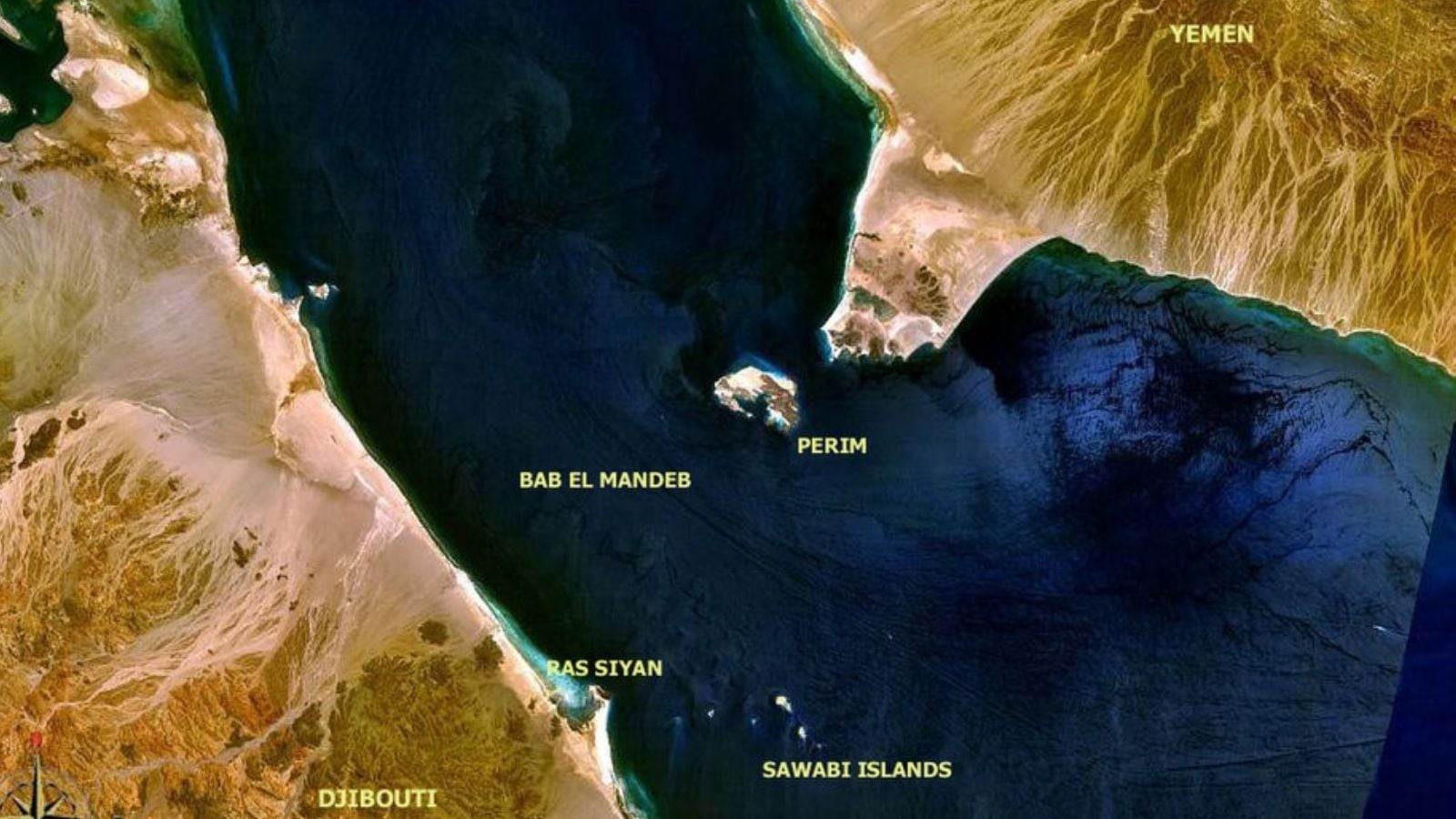
A month into the ongoing war, concerns are escalating as Iran-backed Yemeni Houthis enter the conflict, posing a significant threat to global oil exports and shipping routes. The Houthis’ recent confirmation of ballistic missile attacks on Israel marks a concerning escalation. The group’s control over the Yemeni capital of Sanaa, near the Bab el-Mandab strait in the Red Sea, raises fears of disruptions to a critical chokepoint for global oil and natural gas shipments, especially as the Strait of Hormuz has already been effectively closed.
Key Points:
- The Strait of Hormuz is responsible for approximately 20% of global liquid petroleum consumption and global LNG trade.
- The Houthis, part of Iran’s “Axis of Resistance,” launched ballistic missiles at Israel, targeting “sensitive Israeli military sites.”
- The Bab el-Mandab strait, connecting the Red Sea to the Gulf of Aden and the Indian Ocean, accounts for roughly 10-12% of global oil and natural gas shipments.
- The Bab el-Mandab is linked to the Suez Canal, a crucial waterway connecting it to the Mediterranean Sea.
- The Houthis previously attacked over 100 ships and sank two vessels in the Red Sea between November 2023 and January 2025.
- If both the Strait of Hormuz and the Bab el-Mandab were closed, global shipping companies would be forced to divert vessels around the Cape of Good Hope, adding 4,000 to 6,000 nautical miles and delaying shipments by 14 to 20 days.
- Nearly 80% of India’s merchandise trade with Europe moves through the Red Sea corridor.
Critical Analysis:
The historical context provided, specifically the news snippets from March 29, 2026, reveals a direct connection between actions in the Strait of Hormuz (U.S. and Israeli strikes near the strait) and the current threat involving the Houthis at Bab el-Mandab. The fact that the Strait of Hormuz has been effectively closed for a month, coupled with U.S. and Israeli strikes near the strait in the past, suggests a coordinated, escalating conflict potentially aimed at disrupting Iranian influence and maritime trade routes. The Houthis’ involvement, as part of Iran’s “Axis of Resistance,” further reinforces this strategic dimension.
Key Takeaways:
- The conflict is expanding beyond localized skirmishes to encompass critical global trade routes.
- Iran’s “Axis of Resistance” strategy is being actively employed to exert pressure on Israel and its allies.
- The potential closure of both the Strait of Hormuz and Bab el-Mandab would have severe repercussions for global energy markets and trade.
- India’s trade with Europe is particularly vulnerable due to its reliance on the Red Sea route.
- The U.S. and Israel are actively engaged in actions that exacerbate tensions around the Strait of Hormuz.
Impact Analysis:
The unfolding events have significant long-term implications for global trade, energy security, and geopolitical stability. The disruption of key maritime chokepoints will likely lead to:
- Increased Shipping Costs: Diversion of vessels around the Cape of Good Hope will substantially raise freight costs, impacting prices for consumers worldwide.
- Energy Price Volatility: Reduced oil and gas supplies will drive up energy prices, potentially triggering inflation and economic slowdown.
- Geopolitical Realignment: Countries may seek to diversify trade routes and energy sources, leading to shifts in geopolitical alliances.
- Increased Regional Instability: The
 First Piper