
Sat Mar 28 15:30:06 UTC 2026: ### Kaziranga National Park: A Haven for Vulnerable Species
The Story:
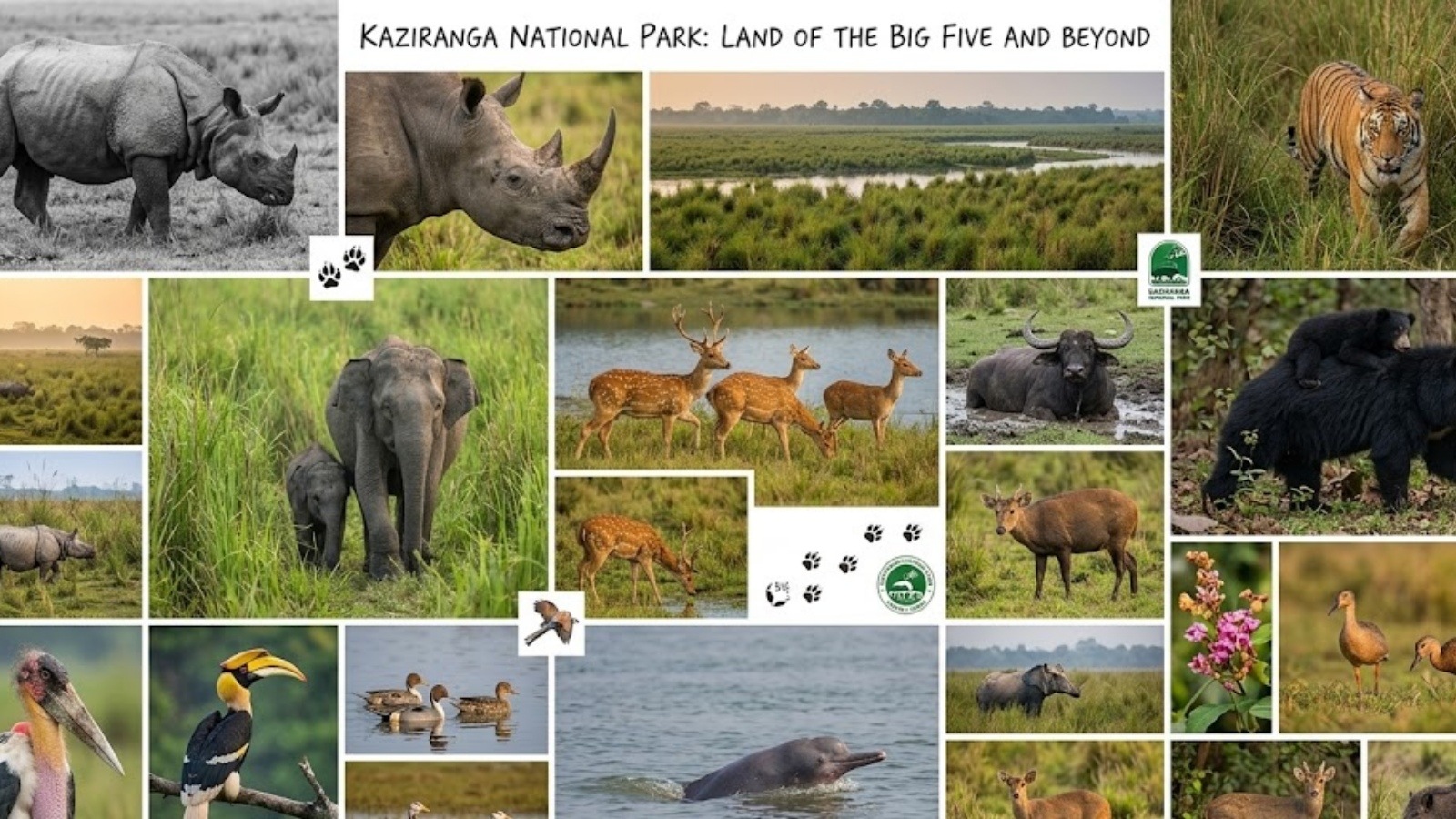
Kaziranga National Park, a UNESCO World Heritage Site located in Assam, India, stands as a crucial sanctuary for diverse wildlife. The park is globally recognized for its significant population of the Indian one-horned rhinoceros and supports a wide range of other mammals, birds, and reptiles. Conservation efforts in Kaziranga have been particularly successful in preserving the vulnerable rhinoceros population, making the park a vital stronghold for this iconic species. Other notable inhabitants include Asian elephants, Bengal tigers, wild water buffalo, and various deer species, each contributing to the park’s rich ecological tapestry.
Key Points:
- Kaziranga National Park is a UNESCO World Heritage Site in Assam, India.
- The park hosts the world’s largest population of the vulnerable Indian one-horned rhinoceros.
- Other key species include Asian elephants, Bengal tigers, wild water buffalo, barasingha, Indian leopards, hog deer, and sloth bears.
- Kaziranga has one of the highest tiger densities among protected areas in India.
- The park protects a significant population of the endangered wild water buffalo.
Key Takeaways:
- Kaziranga National Park plays a pivotal role in the conservation of the Indian one-horned rhinoceros and other threatened species.
- The park’s diverse ecosystems support a wide array of wildlife, highlighting its ecological importance.
- Continued conservation efforts are essential to maintain the park’s biodiversity and protect its vulnerable inhabitants.
- The park’s success in tiger conservation, despite less frequent sightings, is significant.
- Kaziranga’s marshy areas are crucial habitats for endangered species like the wild water buffalo.
 First Piper