
Sun Mar 29 04:57:17 UTC 2026: ### Strait of Hormuz Transits Highlight Geopolitical Tensions Amidst LPG Crisis Concerns
The Story:
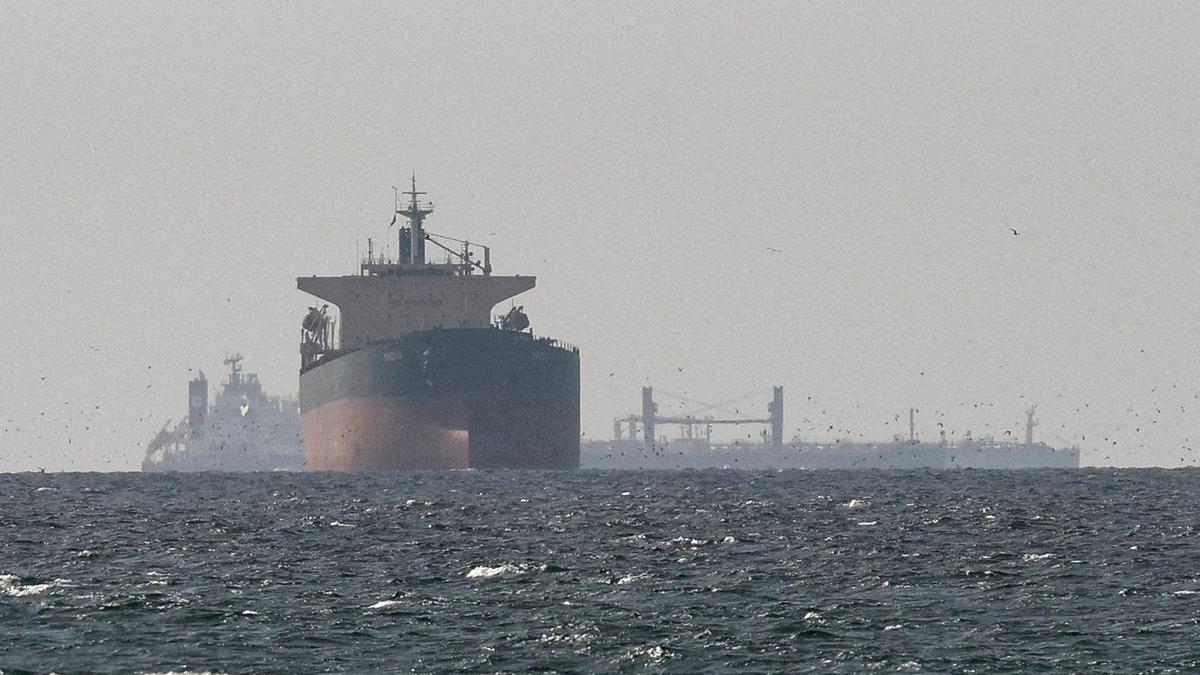
Two Indian-flagged LPG carriers, BW Tyr and BW Elm, successfully crossed the Strait of Hormuz on Saturday, March 28, 2026, amidst heightened geopolitical tensions. This transit, along with that of a Greek-owned crude oil carrier chartered by Pakistan, occurred a day after Iran reportedly turned away three ships linked to China. The movement of these vessels is particularly significant given Iran’s new insistence on ships adhering to a specific route near its coast for visual confirmation, and concerns regarding a potential LPG supply disruption for India.
Key Points:
* BW Tyr and BW Elm, owned by BW LPG India, transited the Strait of Hormuz on March 28, 2026, carrying approximately 93,000 tonnes of LPG.
* A Greek-owned crude oil carrier, P. Aliki, chartered by the Pakistan National Shipping Corporation, also crossed the strait, heading to Karachi.
* Iranian authorities are now requiring ships to navigate a route around Iran’s Larak Island for visual confirmation.
* On March 27, 2026, Iran allegedly turned away three ships linked to China.
* Six Indian LPG carriers have crossed the Strait of Hormuz recently, including the Marathi which docked in Sikka on March 26, 2026.
Critical Analysis:
The events described in the article are happening due to a confluence of factors: increased geopolitical tensions in the region, particularly involving Iran, and the importance of the Strait of Hormuz as a critical chokepoint for global energy supplies. Iran’s stricter transit requirements, coupled with the reported rejection of Chinese-linked vessels, suggest a strategic assertion of control over the waterway. The fact that Indian and Pakistani vessels were allowed to pass, while Chinese vessels were seemingly turned away, might indicate shifting alliances or specific diplomatic agreements. The underlying context is the need to maintain stable LPG supplies to India, making these transits of paramount importance.
Key Takeaways:
* The Strait of Hormuz remains a highly sensitive geopolitical chokepoint.
* Iran is actively asserting control over shipping lanes within the Strait.
* India is heavily reliant on LPG imports transiting this region.
* Geopolitical tensions can directly impact energy supply chains.
* The situation requires careful monitoring to avoid potential disruptions to India’s LPG supply.
Impact Analysis:
The successful transit of these LPG carriers is crucial for maintaining India’s energy security. Any prolonged disruption to shipping through the Strait of Hormuz could lead to an LPG crisis in India, affecting households and industries. The increased scrutiny and control exerted by Iran also necessitate diplomatic efforts to ensure continued access to this vital waterway for Indian vessels. In the long term, India may need to diversify its energy sources and explore alternative supply routes to mitigate the risks associated with relying on a single chokepoint.
 First Piper