
Sat Mar 28 05:19:39 UTC 2026: ### Headline: Ram Navami Procession Turns Violent in Jharkhand, Prompting Arrests and Police Action
The Story:
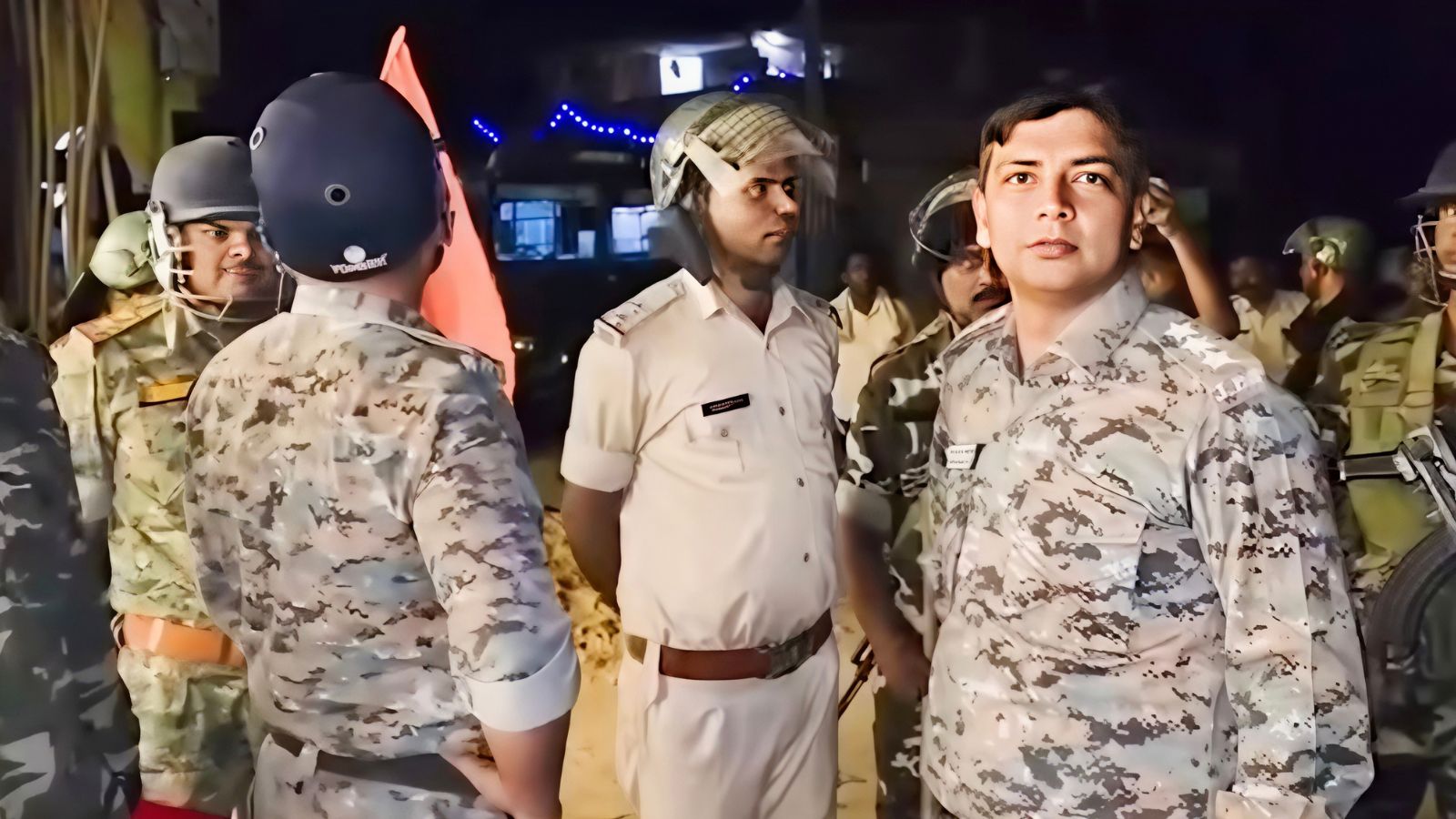
A Ram Navami procession in Jharkhand’s Garhwa district descended into violence on Thursday evening, following a clash between two communities in the Ramkanda block. The unrest led to police intervention, including the use of tear gas, and the arrest of 19 individuals. Tensions had been brewing, with prior attempts at mediation between the groups failing to reach a consensus.
The situation escalated when the procession reached a tri-junction near Kauakhokh, where a large gathering and heightened slogan chanting ignited fears of a direct confrontation. Stone-pelting occurred, resulting in injuries to several police personnel. Authorities have registered an FIR and seized vehicles, mobile phones, and potential weapons from the scene.
Key Points:
- Clash occurred during a Ram Navami procession in Garhwa district, Jharkhand.
- 19 people were arrested following the violence.
- Police used tear gas and mild force to disperse the crowd.
- The clash resulted in injuries to two to three police personnel.
- Tensions were reportedly fueled by a dispute over the installation of a Mahavir flag.
- Authorities seized 18 vehicles, nine mobile phones, and materials like sticks and stones.
- A police station in-charge has been moved to police lines over alleged negligence.
Critical Analysis:
The historical context reveals a disturbing pattern of violence and unrest surrounding religious processions, particularly Ram Navami. The incidents in Odisha involving a BJP MLA firing during a procession and the tragic rape-murder of a young girl in Hazaribagh highlight the potential for these events to be exploited or to trigger communal tensions. The Moradabad violence in 2011, resulting in life sentences for attackers of an IPS officer, serves as a stark reminder of the severe consequences of such unrest. The Garhwa incident appears to be part of this broader trend, where religious events become flashpoints for existing societal fault lines.
Key Takeaways:
- Religious processions, while intended for celebration, can become vulnerable to communal clashes.
- Failure to mediate disputes effectively prior to events can exacerbate tensions.
- Prompt police intervention is crucial to prevent escalation, but it must be balanced to avoid further inflaming the situation.
- The presence of historical precedents of violence associated with religious processions necessitates heightened vigilance and preventative measures.
- Disputes over religious symbols or practices can act as triggers for wider conflict.
Impact Analysis:
The Garhwa incident, along with the historical context, underscores the need for proactive community engagement and conflict resolution strategies to prevent future outbreaks of violence during religious events. The incident is likely to increase scrutiny of similar events and may lead to stricter regulations regarding processions and public gatherings. The transfer of the police station in-charge also sends a signal of accountability and may prompt other law enforcement agencies to reassess their preparedness for managing potentially volatile situations. Long-term, these incidents can erode social cohesion and trust between communities if not addressed effectively through dialogue and justice.
 First Piper