
Fri Mar 27 16:14:27 UTC 2026: ### Headline: U.S. Considers Troop Surge in West Asia Amidst Escalating Tensions with Iran
The Story:
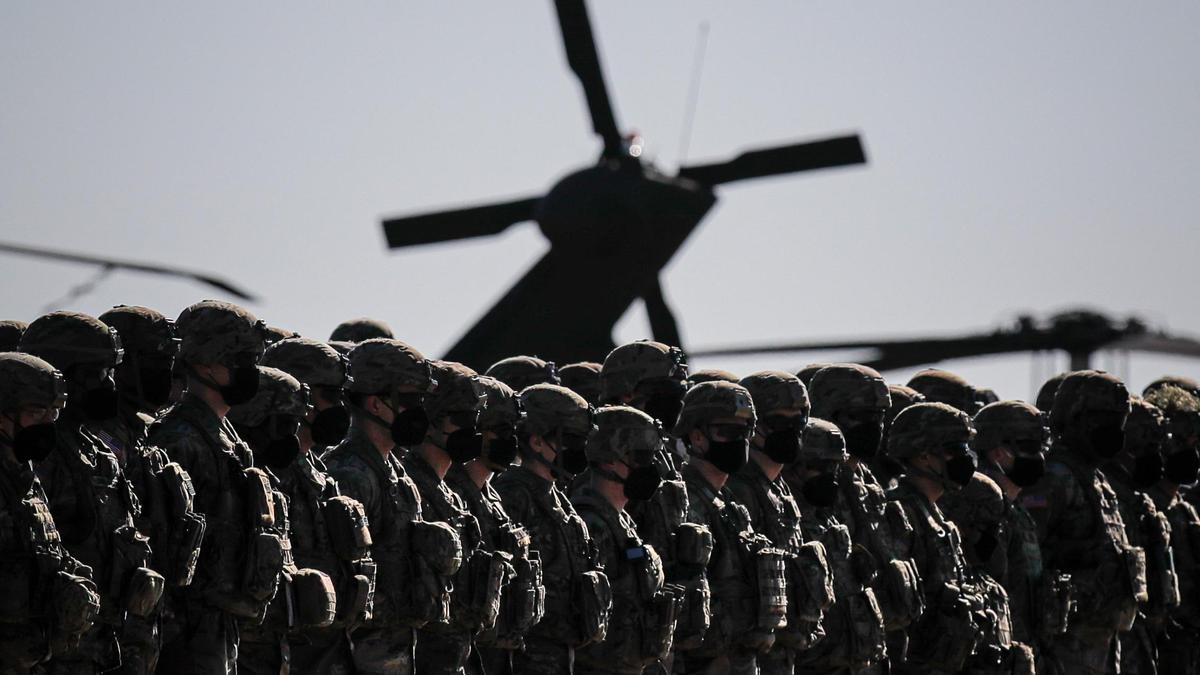
The United States is reportedly considering deploying up to 10,000 additional troops to West Asia, according to U.S. media reports on March 27, 2026, fueling speculation about a potential ground operation in Iran. This move comes after U.S.-Israeli strikes on Iran on February 28, 2026, which have plunged the region into war. While President Donald Trump insists on ongoing peace talks with Tehran, the troop deployment suggests a bolstering of military options. Iran has warned of retaliation through its Houthi rebels in Yemen, potentially opening a new front in the conflict.
The potential deployment follows earlier orders sending thousands of paratroopers and Marines to the region. The exact location of the new troops remains unclear, but reports indicate they would likely be positioned within striking distance of Iran and Kharg Island, a vital oil export hub. Meanwhile, Israel’s military claims to have conducted extensive strikes on Iranian infrastructure in Tehran.
Key Points:
- The U.S. is considering sending up to 10,000 additional troops to West Asia.
- This deployment follows U.S.-Israeli strikes on Iran on February 28, 2026.
- Iran has threatened retaliation through Houthi rebels if a ground invasion occurs.
- The troops would potentially be stationed near Iran and Kharg Island.
- Israel claims to have conducted strikes on Iranian infrastructure in Tehran on March 27, 2026.
- President Trump claims talks are ongoing.
Critical Analysis:
The timing of this potential troop surge, coupled with Israel’s strikes inside Tehran and Iran’s threat to activate the Houthis, suggests a deliberate escalation of pressure on Iran. Despite Trump’s claims of ongoing peace talks, the military actions indicate a dual-track approach: diplomacy coupled with the threat of force. The mention of Kharg Island as a potential target highlights the economic dimension of the conflict, aiming to disrupt Iran’s oil exports.
Key Takeaways:
- The situation in West Asia is rapidly deteriorating, despite claims of peace talks.
- A U.S. ground operation in Iran is becoming a more realistic possibility.
- Iran is prepared to retaliate through asymmetric warfare, potentially expanding the conflict geographically.
- The conflict has significant implications for global oil supplies and economic stability.
- Israel is actively involved in escalating the conflict, conducting strikes within Iran.
Impact Analysis:
The potential deployment of additional troops and the escalation of conflict between the US, Israel, and Iran carry significant long-term implications. The activation of Houthi rebels would destabilize the Red Sea, impacting global trade routes. The conflict is also likely to exacerbate existing humanitarian crises in Yemen and potentially create new refugee flows. Furthermore, the disruption of Iranian oil exports could lead to a spike in global oil prices, impacting economies worldwide. The arrest of the man accused of sending hoax bomb threat emails in Mysuru is likely a result of the rising global tensions. The shift to online classes, and the government institute sending students home due to “energy lockdown” rumors can also be attributed to the conflict and rising tensions in West Asia. The ongoing conflict is expected to weigh on the metal’s demand outlook.
 First Piper