
Sat Mar 28 07:26:32 UTC 2026: # Iran Strikes Saudi Air Base, Wounding U.S. Troops, Escalating Conflict
The Story:
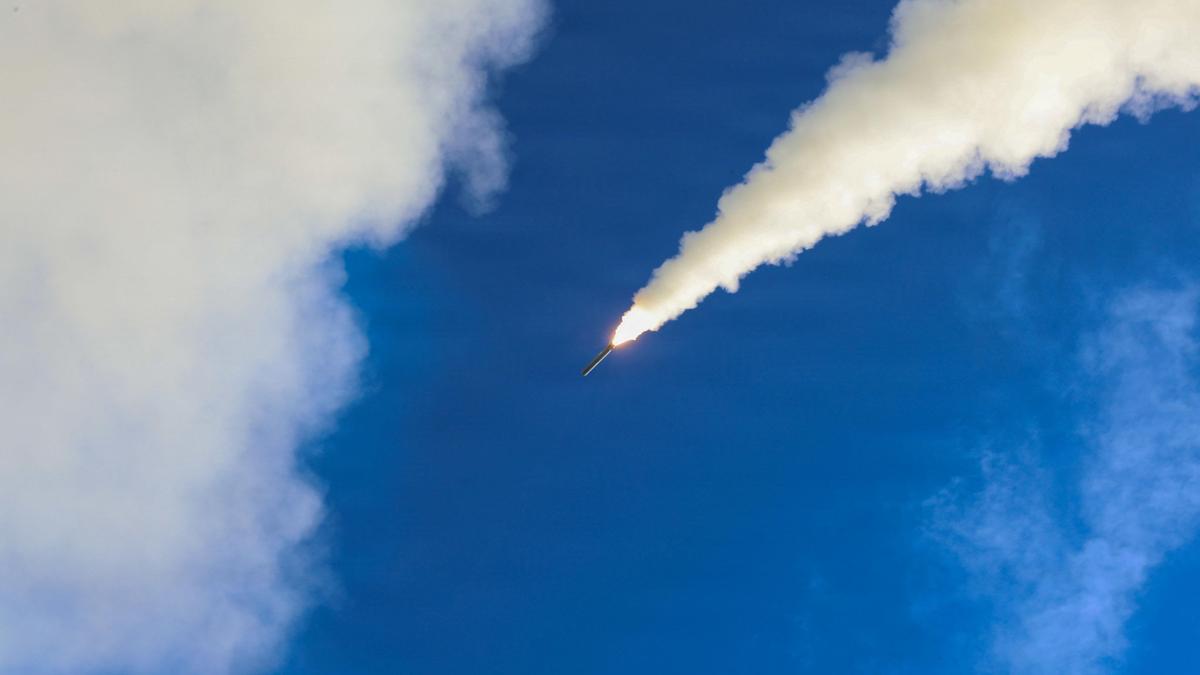
An Iranian military strike on the Prince Sultan Air Base in Saudi Arabia on Friday, March 27, 2026, wounded twelve U.S. troops, two of them seriously. The attack, which involved at least one missile and several drones, also damaged aerial refueling planes. This incident is the latest in a series of retaliatory attacks by Iran, which accuses Gulf nations of aiding U.S. strikes on its territory. The conflict between Iran and the U.S., along with Israel, began on February 28, 2026.
Key Points:
- Twelve U.S. troops were wounded in the attack on Prince Sultan Air Base.
- The attack involved at least one missile and several drones.
- Aerial refueling planes were damaged.
- Iran claims the attack is retaliation for U.S. and Israeli strikes on its territory.
- Over 300 U.S. military service members have been wounded since the war began on February 28, 2026, with thirteen fatalities.
Critical Analysis:
The escalating attacks highlight a dangerous pattern of tit-for-tat escalation between Iran and the U.S./Israel alliance. Iran’s targeting of Gulf nations, specifically Saudi Arabia, indicates a strategy of attempting to destabilize the regional support network for U.S. military operations. The increasing number of U.S. casualties suggests a potential shift in the conflict towards a more direct and intense engagement.
Key Takeaways:
- The conflict between Iran and the U.S./Israel alliance is intensifying, with increasing casualties on both sides.
- Iran is actively targeting Gulf nations perceived as supporting U.S. military operations.
- The use of missiles and drones indicates a sophisticated and evolving Iranian military capability.
- The potential deployment of up to 10,000 additional U.S. troops to West Asia suggests a possible expansion of the conflict.
- The attacks on U.S. troops in Saudi Arabia and Kuwait are a clear escalation, increasing the risk of a wider regional war.
Impact Analysis:
This event series has significant long-term implications for regional stability and U.S. foreign policy in the Middle East.
- Increased Regional Instability: The attacks risk drawing other nations into the conflict, potentially destabilizing the entire region.
- U.S. Foreign Policy Shift: The escalating conflict may compel the U.S. to re-evaluate its military presence and strategy in the Middle East.
- Economic Impact: Disruptions to oil production and shipping lanes in the Persian Gulf could have significant global economic consequences.
- Escalation Potential: The ongoing cycle of attacks and retaliations could lead to a full-scale war, with potentially devastating consequences.
 First Piper