
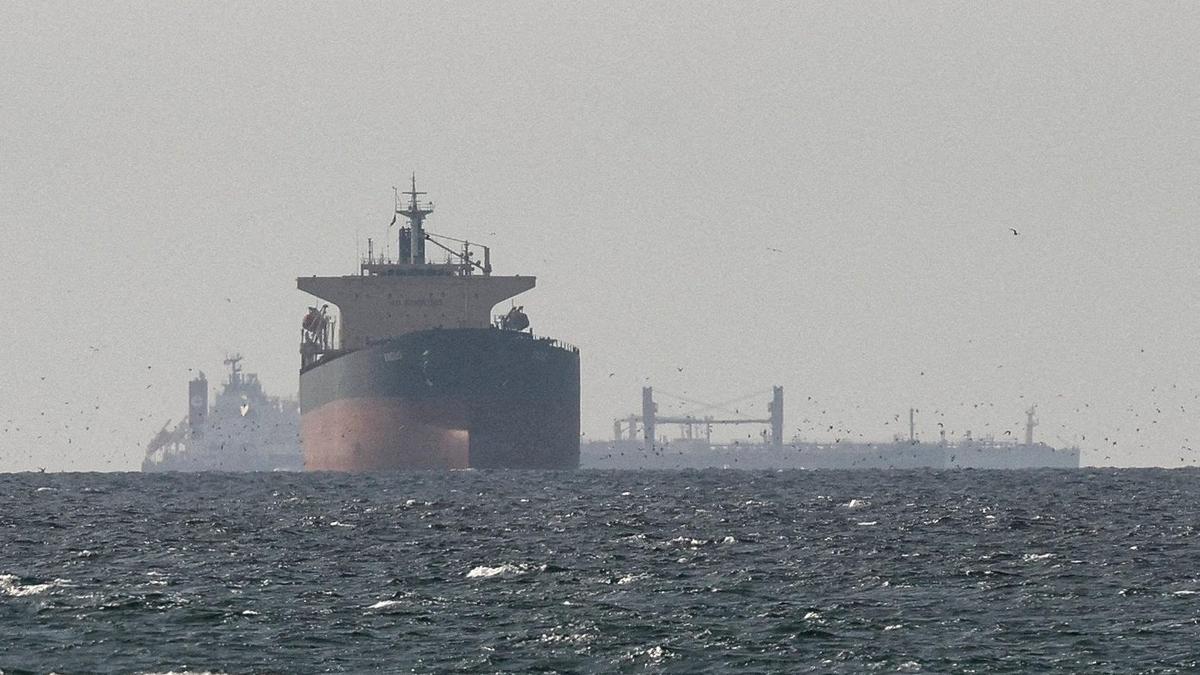
Sat Mar 28 07:50:47 UTC 2026: ### Thailand Secures Safe Passage for Oil Tankers Through Strait of Hormuz Amid West Asian War
The Story:
Thailand has reached an agreement with Iran to ensure safe passage for Thai oil tankers through the Strait of Hormuz, according to an announcement made by Thai Prime Minister Anutin Charnvirakul on Saturday, March 28, 2026. This agreement comes amidst a significant disruption to shipping through the strait due to the ongoing West Asian war, which began late last month. The Prime Minister expressed confidence that the agreement would alleviate concerns over fuel imports and prevent a recurrence of incidents like the attack on a Thai bulk carrier earlier in the month.
Key Points:
- Thailand has reached an agreement with Iran for safe passage of Thai oil tankers through the Strait of Hormuz.
- The agreement aims to alleviate concerns over fuel imports amidst the ongoing West Asian war.
- Iranian forces have significantly slowed shipping through the Strait of Hormuz since the start of the war.
- Commodities shipping through the Strait of Hormuz plunged 95% between March 1 and 26, 2026.
- Twenty-four commercial vessels have been attacked or reported incidents in the Gulf, the Strait of Hormuz, or the Gulf of Oman this month.
- More than 80% of crude oil and liquified natural gas (LNG) passing through the Strait of Hormuz heads to Asia.
Critical Analysis:
The agreement between Thailand and Iran highlights the significant impact of the West Asian war on global energy supply chains. With the majority of Asia’s oil and LNG transiting through the Strait of Hormuz, disruptions caused by the conflict have led to fuel supply difficulties and long lines at petrol stations in Thailand. The agreement suggests a pragmatic approach by both countries to mitigate the economic impact of the conflict, with Thailand seeking to secure its energy supplies and Iran potentially seeking to maintain economic ties and demonstrate its ability to ensure safe passage despite the ongoing hostilities.
Key Takeaways:
- The West Asian war is significantly impacting global energy supply chains, particularly for Asian nations reliant on oil and LNG transiting through the Strait of Hormuz.
- Thailand’s agreement with Iran underscores the importance of diplomatic solutions to navigate geopolitical risks and secure essential resources.
- The drastic 95% plunge in commodities shipping through the Strait of Hormuz demonstrates the severity of the disruption caused by the conflict.
- The increased attacks on commercial vessels in the region highlight the heightened security risks associated with maritime transport during times of conflict.
Impact Analysis:
This agreement has several potential long-term implications:
- Regional Stability: The agreement could serve as a template for other nations dependent on the Strait of Hormuz to negotiate similar arrangements with Iran, potentially stabilizing regional energy supplies.
- Geopolitical Alignment: Thailand’s engagement with Iran could signify a shift in its geopolitical alignment, potentially impacting its relationships with other Western nations.
- Energy Security: The agreement improves Thailand’s energy security by ensuring a more reliable supply of oil and LNG, reducing its vulnerability to disruptions caused by the West Asian war.
- Economic Impact: A stable energy supply will help mitigate inflationary pressures in Thailand and support economic growth, preventing further disruptions to daily life for the public.
 First Piper