
Sat Mar 28 09:35:39 UTC 2026: # Russia Bans Gasoline Exports Amid West Asia Crisis
The Story:
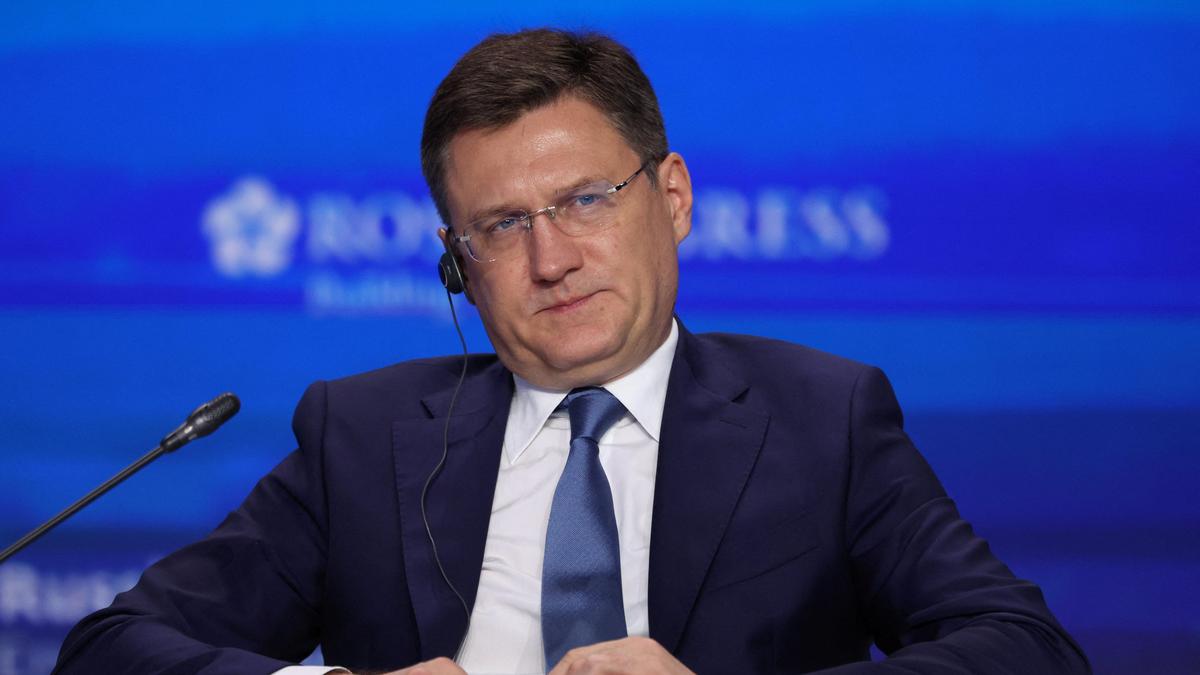
Russia’s Deputy Prime Minister Alexander Novak instructed the Energy Ministry to draft a resolution banning gasoline exports starting April 1, 2026, and lasting until July 31, 2026. This decision stems from turmoil in the global oil and oil products market, exacerbated by the ongoing crisis in West Asia, leading to significant price fluctuations. Despite high demand for Russian energy resources, the ban aims to stabilize the domestic market and prevent shortages.
Key Points:
- The ban on gasoline exports is effective from April 1, 2026, to July 31, 2026.
- The decision was made by Deputy Prime Minister Alexander Novak.
- The ban is attributed to turmoil in the global oil and oil products market due to the crisis in West Asia.
- Russia exported nearly 5 million metric tons of gasoline last year, approximately 117,000 barrels per day.
- Some Russian regions and parts of Ukraine under Russian control experienced gasoline shortages last year.
Critical Analysis:
The ban is a direct response to the volatility in the global oil market caused by the conflict in West Asia, specifically the Israel-Iran war. The fact that Russia is implementing this ban while simultaneously experiencing high demand for its energy resources suggests a prioritization of domestic stability over immediate export revenue. The previous gasoline shortages in Russia and Russian-controlled Ukraine, partly due to Ukrainian attacks on Russian oil refineries, likely contribute to the urgency of this measure.
Key Takeaways:
- The West Asia crisis is significantly impacting global energy markets.
- Russia is prioritizing domestic fuel market stability amidst international turmoil.
- Ukraine’s attacks on Russian infrastructure are influencing Russia’s energy policy.
- Export bans are a tool Russia uses to manage domestic fuel prices and supply.
- The ban could exacerbate global gasoline supply issues, potentially leading to price increases in other regions.
Impact Analysis:
The ban on Russian gasoline exports is likely to have several significant impacts:
- Global Gasoline Prices: The reduction in supply from a major exporter like Russia could lead to higher gasoline prices worldwide, particularly in regions dependent on Russian fuel.
- Geopolitical Implications: The ban could further strain relations between Russia and countries reliant on its gasoline exports, potentially leading to diplomatic tensions and shifts in energy trade patterns.
- Russian Economy: While the ban aims to stabilize the domestic market, it could negatively impact Russia’s export revenues in the short term. However, if it successfully prevents shortages and price spikes, it could ultimately benefit the Russian economy in the long run.
- Alternative Fuel Sources: The price increase may incentivize the development and adoption of alternative fuel sources in affected countries.
- Ukrainian conflict: The ban shows the Ukrainian conflict is affecting Russian internal policy.
 First Piper