
Fri Mar 27 17:36:48 UTC 2026: Headline: Russia Imposes Temporary Gasoline Export Ban Amid Escalating Iran War
The Story:
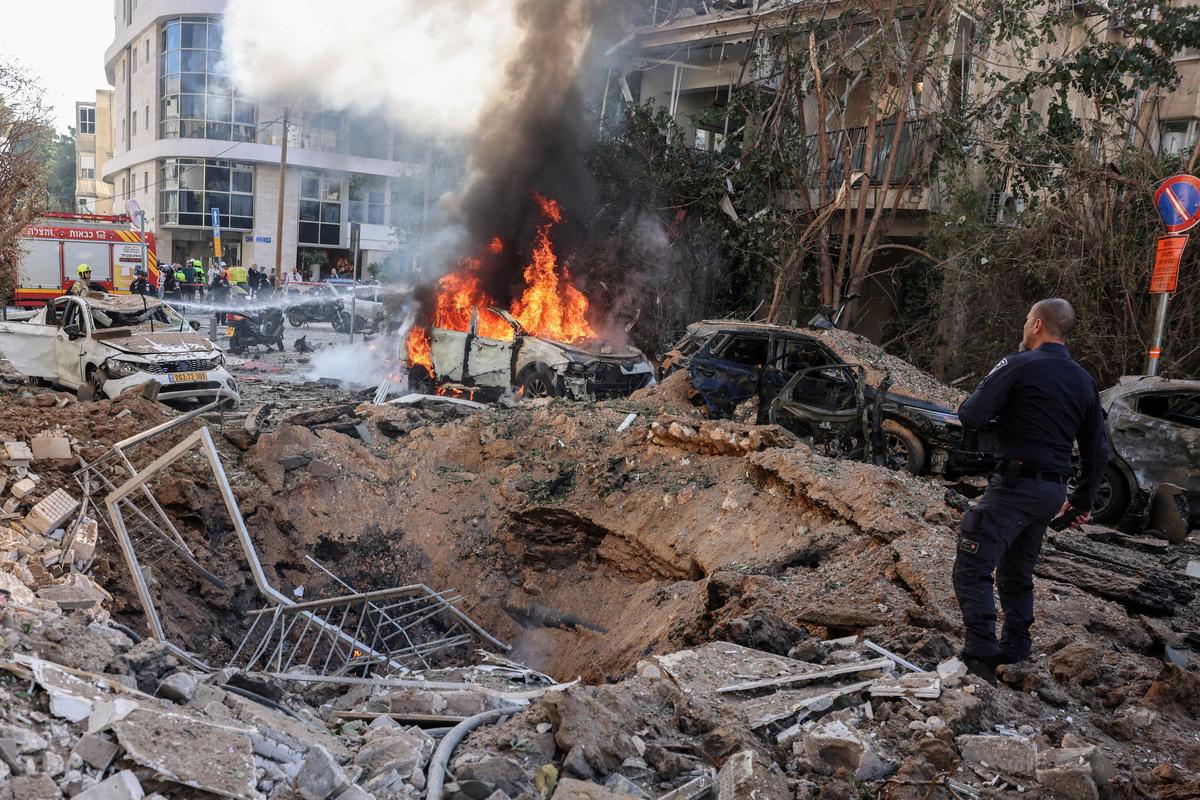
Russia has announced a temporary ban on gasoline exports, effective March 28, 2026. This decision comes amidst a rapidly escalating conflict in the Middle East, specifically the Iran-Israel war, which is seeing increasing involvement from regional actors like the Houthi rebels in Yemen. The ban raises concerns about global energy markets and potential price volatility.
Key Points:
- Russia is imposing a temporary ban on gasoline exports.
- The ban is effective as of March 28, 2026.
- The decision is linked to the ongoing Iran-Israel war.
- The conflict involves the Houthis, who have claimed attacks on Israel.
- Iran has reportedly struck targets in Kuwait and Dubai.
Critical Analysis:
The timing of Russia’s gasoline export ban is highly significant. The ban appears to be a strategic move taking advantage of the global uncertainty created by the Iran-Israel war. With Iran striking Kuwait and Dubai, and the Houthis impacting global shipping, the global energy market is already under severe pressure. Russia, a major energy exporter, is likely seeking to capitalize on this instability, potentially increasing domestic supply or creating artificial scarcity to drive up prices on the international market once the ban is lifted.
Key Takeaways:
- The Iran-Israel war is having a direct and immediate impact on global energy markets.
- Russia is positioning itself to potentially benefit economically from the conflict.
- The involvement of multiple regional actors (Iran, Houthis) is exacerbating the crisis.
- Global shipping routes are threatened, adding further strain to the energy supply chain.
- The temporary ban could signal longer-term strategic shifts in global energy politics.
Impact Analysis:
The temporary gasoline export ban imposed by Russia has several potential long-term implications:
- Increased Global Gasoline Prices: The immediate effect will likely be an increase in gasoline prices worldwide, impacting consumers and businesses.
- Diversification of Energy Sources: The crisis could accelerate the search for and development of alternative energy sources to reduce reliance on traditional oil and gas.
- Geopolitical Realignment: The conflict and Russia’s actions could lead to a realignment of geopolitical alliances, particularly in the energy sector. Countries reliant on Russian energy may seek alternative suppliers, while others may strengthen ties with Russia.
- Increased Volatility in Energy Markets: The incident highlights the vulnerability of global energy markets to geopolitical instability, potentially leading to more frequent and severe price fluctuations in the future.
- Economic Impact on Developing Nations: Developing nations heavily reliant on imported gasoline are likely to be disproportionately affected by the price increases, potentially leading to economic hardship and social unrest.
 First Piper