
Sat Mar 28 15:24:35 UTC 2026: ### Headline: IIM-K Conference Highlights Plight and Potential of India’s Gig Workers
The Story:
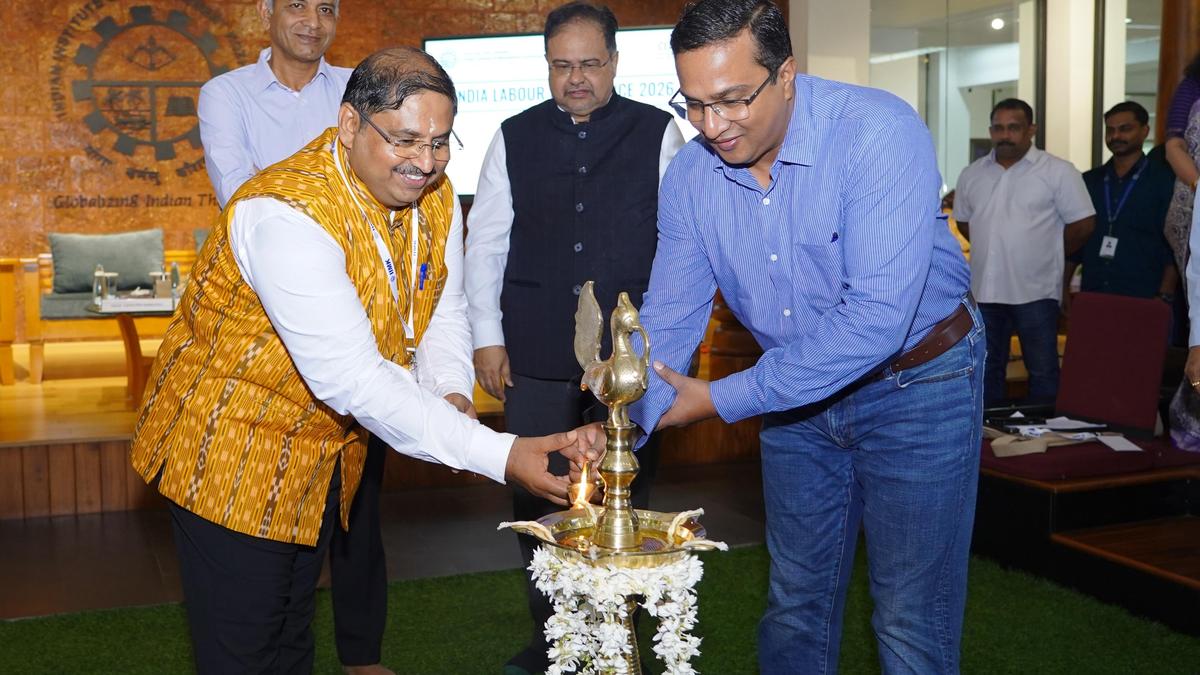
The Indian Institute of Management-Kozhikode (IIM-K) hosted the third edition of the India Labour Conference on March 28, 2026, focusing on the growing role of gig workers in India’s economy. The conference brought together a diverse group of stakeholders to discuss the challenges and opportunities presented by the gig economy, particularly the need to ensure fair and sustainable work in an increasingly digital landscape. Discussions centered on the “invisible” nature of gig workers, their often precarious financial situations, and the potential for both economic growth and worker dehumanization.
The conference addressed the paradox of flexibility versus worker exploitation, the significant economic contributions of the gig economy, and the emergence of crowdwork as a new form of global labor. Speakers emphasized the need for a shift towards a more human-centered approach that prioritizes altruism and human dignity over purely algorithmic efficiency.
Key Points:
- The India Labour Conference, hosted by IIM-K on March 28, 2026, focused on gig workers in India.
- Debashis Chatterjee, Director of IIM-K, highlighted the need to make the “invisible visible,” referring to the millions of gig workers.
- 4% of India’s workforce are gig workers, with 40% earning less than ₹15,000 per month.
- Manoranjan Dhal of CERLS pointed out the “dehumanisation” experienced by gig workers.
- Non-agricultural gig work could contribute ₹2.35 lakh crore to India’s GDP by 2030.
- Vishwas Jain, CXO at Zepto, discussed the flexibility the gig model provides in managing demand.
- Ernesto Noronha, from IIM-Ahmedabad, described crowdwork as a “new international putting-out system,” with India providing one-quarter of the platform labor force.
Key Takeaways:
- The gig economy presents a complex challenge, offering economic opportunity while potentially exacerbating worker exploitation.
- There’s a growing awareness of the need for policy interventions to protect the rights and well-being of gig workers in India.
- The conference highlights the tension between algorithmic efficiency and the need for a more human-centered approach to labor.
- The significant projected contribution of the gig economy to India’s GDP underscores the importance of addressing its challenges.
- The global nature of crowdwork and India’s significant role in it raises questions about international labor standards and worker protections.
Impact Analysis:
The India Labour Conference and the issues it raises have significant long-term implications for India’s economy and workforce. As the gig economy continues to grow, the policy recommendations and discussions stemming from this conference could influence future labor laws, social safety nets, and business practices. The call for a more human-centered approach could lead to innovations in worker protections, algorithmic transparency, and corporate social responsibility within the gig sector. Ultimately, the conference serves as a critical forum for shaping a more equitable and sustainable future for gig workers in India.
 First Piper