
Sat Mar 28 17:45:12 UTC 2026: # Bengaluru Learns from Tragedy: IPL Opener Marked by Orderly Crowd Management After Deadly Stampede
The Story:
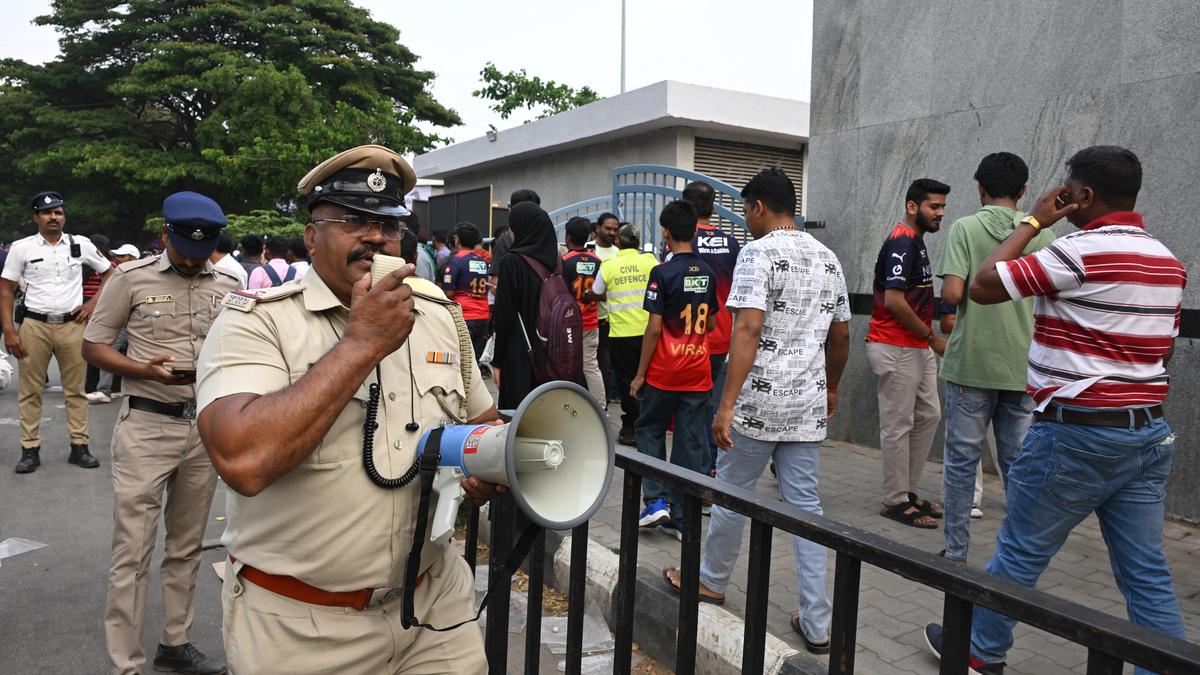
The opening match of the Indian Premier League (IPL) at Bengaluru’s M. Chinnaswamy Stadium on March 28, 2026, proceeded with significantly improved crowd control measures. This comes after a tragic stampede during Royal Challengers Bengaluru (RCB) victory celebrations last year, which resulted in the deaths of 11 fans. The Karnataka State Cricket Association (KSCA) and Bengaluru City Police (BCP) implemented strict protocols to ensure an orderly flow of spectators, preventing gatherings and swiftly addressing minor confusions regarding entry gate changes.
Key Points:
- The IPL inaugural match took place at M. Chinnaswamy Stadium on March 28, 2026.
- The crowd was enthusiastic but orderly, chanting “RCB… RCB…” without becoming frenzied.
- 11 fans died in a stampede during RCB victory celebrations the previous year.
- The KSCA and BCP implemented measures to prevent gatherings and maintain order.
- Minor confusion regarding entry gates was quickly managed by authorities.
Critical Analysis:
The historical context highlights a clear and direct response to the previous year’s tragedy. The emphasis on “strict protocols” and orderly crowd management indicates a proactive effort by the KSCA and BCP to prevent a recurrence of the stampede. The mention of a “minute of silence” further underscores the weight of the previous event and the commitment to improving safety.
Key Takeaways:
- The 2025 stampede served as a crucial learning experience for stadium management and law enforcement.
- Crowd control measures are paramount for ensuring the safety of large gatherings, especially those involving high levels of emotion.
- Effective communication and quick response to unforeseen issues, like entry gate confusion, are essential for maintaining order.
- Public address systems and clear direction are key.
Impact Analysis:
The successful implementation of crowd control measures at the IPL opener signals a potential shift in how large sporting events are managed in Bengaluru and potentially across India. This event could serve as a model for other venues and organizations, emphasizing the importance of proactive planning, risk assessment, and responsive crowd management techniques. The long-term impact will likely involve increased scrutiny of safety protocols at all major events and a greater emphasis on preventing similar tragedies in the future.
 First Piper