
Tue Mar 24 07:32:33 UTC 2026: # Bengaluru Roadworks Grind to Halt as West Asia Conflict Disrupts Bitumen Supply
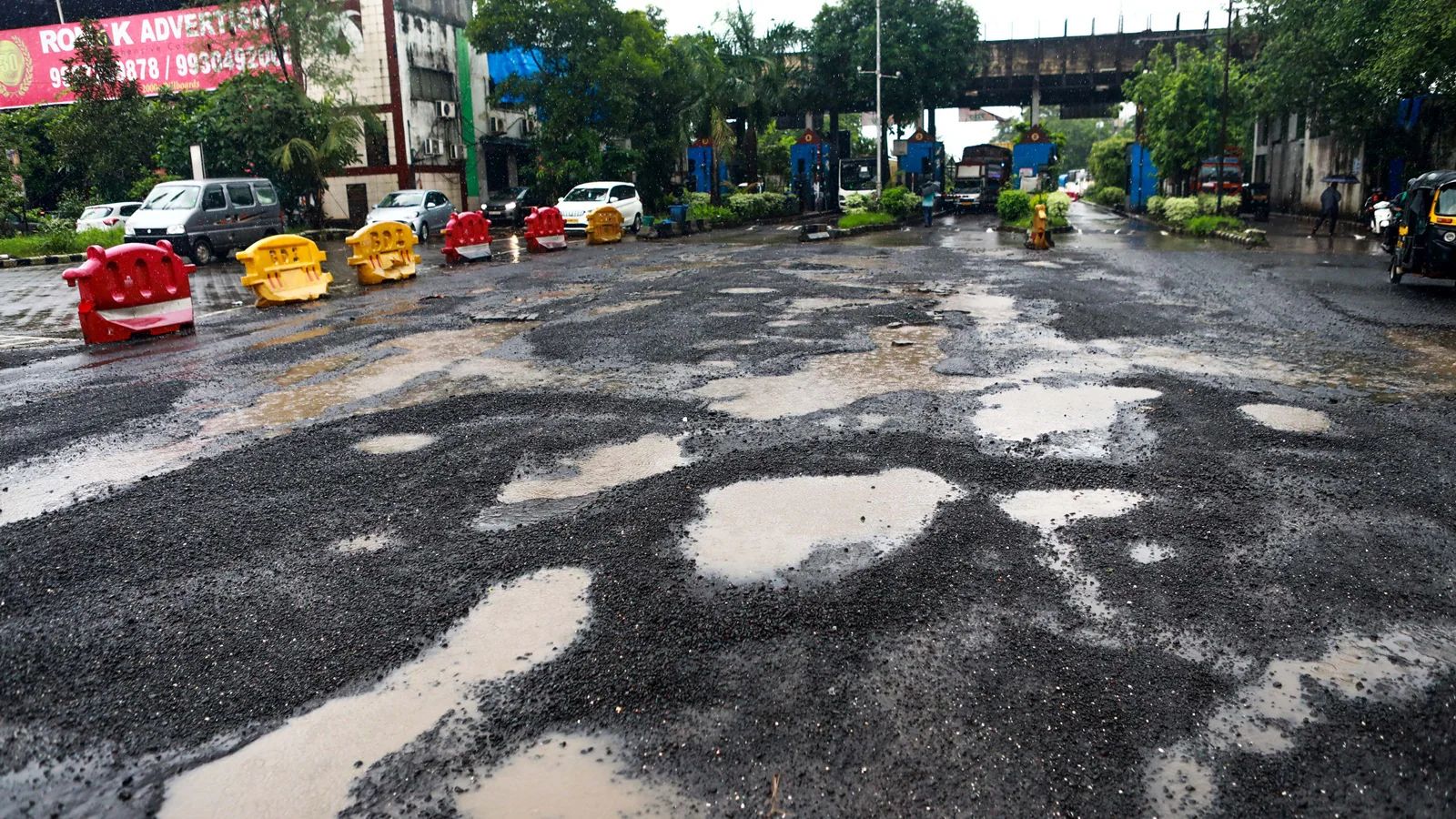
The Story: Road construction in Bengaluru is facing significant delays due to a shortage of bitumen, a crucial material for road tarring. Contractors report that approximately 80 percent of road tarring work has come to a standstill within the Greater Bengaluru Authority (GBA) limits. This disruption is attributed to the ongoing conflict in West Asia, which has severely impacted the supply chain and driven up the price of bitumen by over 50 percent.
The situation threatens to derail the completion of roadworks valued at several hundred crore rupees, including projects Deputy Chief Minister D K Shivakumar aimed to finish before the monsoon. Contractors are appealing to the government for intervention and compensation.
Key Points:
- The West Asia conflict has severely disrupted bitumen supply to Bengaluru.
- Approximately 80 percent of road tarring work in Bengaluru is at a standstill.
- Bitumen prices have risen by over 50 percent, from approximately Rs 45,000-46,000 per tonne to Rs 65,000-67,000.
- Contractors are seeking a “star rate” (compensation) from the GBA to cover the increased costs.
- Mangalore Refinery and Petrochemicals Limited (MRPL) and Indian Oil Corporation (IOC) are primary bitumen suppliers.
- Supply from MRPL and IOC has stopped, leading to a black market for bitumen.
Critical Analysis:
The historical context reveals a growing concern regarding the West Asia crisis impacting India. T.N. CM Stalin questioning PM Modi on the Centre’s preparedness, coupled with airlines cancelling flights, paints a picture of escalating disruptions caused by the conflict. The bitumen shortage in Bengaluru is a direct consequence of these disruptions, specifically affecting supply chains and driving up prices. The contractors’ plea for government intervention underscores the severity of the situation and the need for proactive measures to mitigate the economic impact of the conflict.
Key Takeaways:
- The West Asia conflict is having a tangible and detrimental impact on infrastructure projects in India.
- Supply chain vulnerabilities are exposed, highlighting the need for diversification and contingency planning.
- Rising material costs due to geopolitical instability can significantly impact project budgets and timelines.
- Government intervention and support are crucial to mitigate the effects of external crises on domestic industries.
Impact Analysis:
The bitumen shortage and resulting halt in roadworks could have several long-term implications:
- Delayed Infrastructure Development: Ongoing road projects will face significant delays, impacting connectivity and economic activity in Bengaluru.
- Increased Project Costs: The rise in bitumen prices and the need for “star rates” could inflate the overall cost of road construction projects, potentially straining government budgets.
- Economic Disruption: The standstill in roadworks could negatively affect related industries, such as transportation and construction equipment, leading to economic losses.
- Potential for Social Unrest: Prolonged delays in infrastructure development could lead to public dissatisfaction and potentially fuel social unrest.
- Policy Implications: This event may prompt the government to re-evaluate its supply chain strategies and explore alternative sources for critical materials to reduce dependence on volatile regions.
 First Piper