
Tue Mar 24 04:44:23 UTC 2026: ### India Navigates LPG Crisis Amidst Geopolitical Tensions
The Story:
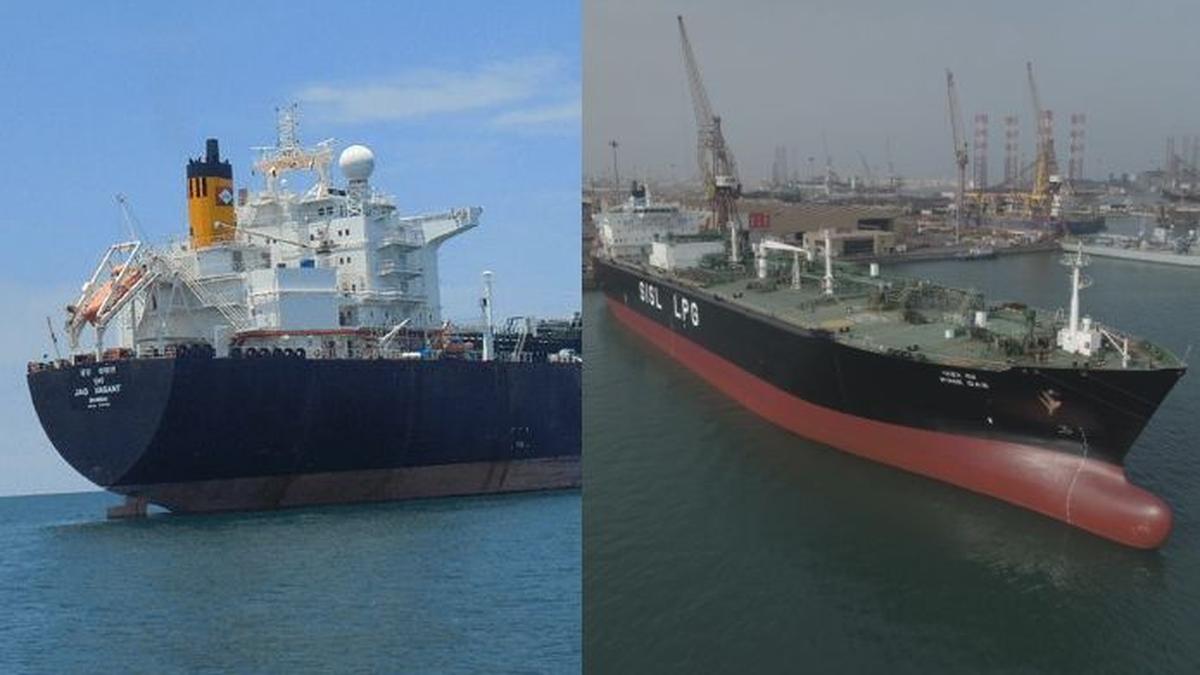
India is grappling with an LPG crisis exacerbated by ongoing tensions in West Asia. Two India-flagged LPG carriers, Jag Vasant and Pine Gas, carrying nearly 93,000 tonnes of LPG, successfully transited through the Strait of Hormuz on March 23, 2026. These vessels are expected to reach Indian ports between March 26, 2026 and March 28, 2026. The government has increased commercial LPG allocations by 20%, reaching 50% of pre-war levels, while acknowledging the situation remains worrisome. Efforts are being made to diversify LPG sourcing, including imports from European markets and the U.S., to mitigate supply constraints in West Asia.
Key Points:
- Jag Vasant and Pine Gas are expected to arrive in India between March 26-28, 2026, carrying a combined 93,000 tonnes of LPG.
- Domestic LPG production has increased by 40%, adding approximately 18,000 tonnes per day.
- The government has increased commercial LPG allocations to 50% of pre-war levels.
- India is diversifying its LPG sources, importing from Europe (Netherlands) and the U.S. (Texas).
- The SA-LPG cavern project at Visakhapatnam, with a capacity of 60,000 tonnes, has handled two LPG shipments since February 28, 2026.
- Refinery expert cautions against the sustainability of the 40% increase in domestic LPG production, citing potential losses from reduced value-added product extraction.
- Two foreign-owned and foreign-flagged LPG carriers, Hellas Gladiator and Gas Jupiter, each carrying 24,000 tonnes are expected to reach Vishakhapatnam on March 30, 2026.
Critical Analysis:
The news that “Over half dozen Navy warships escorting Indian-flagged vessels in Gulf region” and “Held by Iran last December, eight Indian sailors on way home” provides context to the LPG crisis. India is actively managing the risks associated with transporting essential resources through a volatile region. The move to diversify LPG import sources to include Europe and the U.S. is a strategic response to the instability in West Asia, aiming to reduce dependence on a single, vulnerable supply route. The increase in domestic production, while a positive step, raises concerns about long-term sustainability and potential economic consequences for refineries.
Key Takeaways:
- India is actively working to secure its LPG supply amidst geopolitical tensions.
- Diversification of import sources is a key strategy to mitigate risks.
- Increased domestic production offers short-term relief but may have long-term economic drawbacks.
- Naval escorts highlight the importance of safeguarding critical shipping lanes.
- The LPG crisis underscores India’s vulnerability to disruptions in global energy markets.
Impact Analysis:
The LPG crisis and India’s response have several long-term implications:
- Energy Security: The crisis highlights the urgent need for India to enhance its energy security through diversification, strategic reserves, and investment in alternative energy sources.
- Geopolitical Strategy: India’s naval presence in the Gulf and its efforts to secure international partnerships are crucial for maintaining its economic and strategic interests.
- Economic Impact: Fluctuations in LPG supply and prices can significantly impact household budgets and industrial competitiveness, necessitating effective government policies to stabilize the market.
- Refinery Operations: The trade-
 First Piper