
Tue Mar 24 04:03:45 UTC 2026: # U.S.-Israel-Iran War Escalates: Strait of Hormuz Closure Threatens Global Economy
The Story:
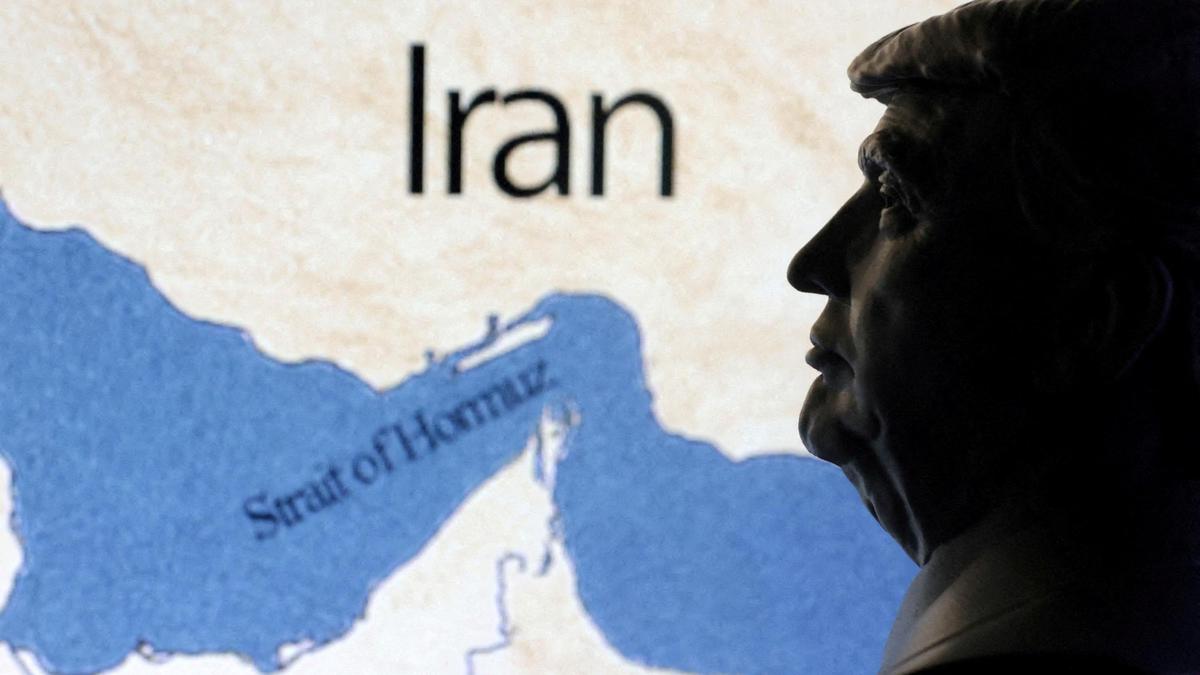
The conflict between the U.S., Israel, and Iran has intensified, three weeks after the initial strikes on February 28, 2026. Despite claims of victory and the targeting of Iranian military assets, Iran continues to retaliate with missile and drone attacks. The situation has escalated to include attacks on energy infrastructure in the Persian Gulf, leading to rising oil and gas prices. The closure of the Strait of Hormuz, a critical maritime chokepoint, is now a primary concern, threatening the global economy. President Donald Trump has issued ultimatums regarding the Strait’s reopening, further heightening tensions.
Key Points:
- The U.S. and Israel launched a war on Iran on February 28, 2026.
- Iran retaliated against Israel and American bases in the Persian Gulf.
- Israel attacked Iran’s South Pars gas field, prompting Iranian retaliation against energy facilities in Qatar, Saudi Arabia, the UAE, Kuwait, and Israel.
- President Trump threatened to bomb Iranian power plants if the Strait of Hormuz isn’t opened within 48 hours, later offering a five-day halt to attacks.
- The Strait of Hormuz is effectively shut, disrupting global energy supplies.
- India’s Prime Minister Narendra Modi has urged Iran for “freedom of navigation.”
- India’s position has been to condemn Iran’s attacks on Gulf states, but not the strikes by the United States and Israel on Iran.
Critical Analysis:
The provided context reveals a pattern of escalating conflict driven by miscalculations and shifting objectives. Trump’s initial goal of regime change in Iran seems to have morphed into simply reopening the Strait of Hormuz. His erratic behavior, including contradictory statements and social media outbursts, suggests a lack of coherent strategy and may be exacerbating the crisis. The assassination of Iranian leaders, as highlighted by Stanly Johny, could be strengthening the resolve of hardliners within Iran. The energy crisis, coupled with pressure from allies like India, seems to be forcing Trump to reconsider his approach, as evidenced by his temporary halt to attacks on Iranian power facilities. The mystery bet on Trump’s Iran U-Turn raises the possibility that some actors had advanced knowledge of the President’s change of heart.
Key Takeaways:
- The U.S.-Israel-Iran conflict is rapidly escalating with significant global implications.
- The closure of the Strait of Hormuz poses a major threat to the global economy, particularly for energy-dependent nations like India and Cuba.
- President Trump’s leadership is characterized by inconsistent messaging and potentially reactive decision-making.
- Regional energy security is extremely fragile, as demonstrated by the attacks on the South Pars gas field.
- India is attempting to balance its relationships with Iran, the U.S., and Israel while protecting its own energy interests.
Impact Analysis:
The ongoing conflict has the potential for long-term geopolitical and economic consequences. A prolonged closure of the Strait of Hormuz could trigger a global recession. The assassination of Iranian leaders may fuel further radicalization and instability in the region. India’s diplomatic maneuvering will be crucial in mitigating the crisis and protecting its strategic interests. The conflict also underscores the vulnerability of global energy infrastructure and the need for diversified energy sources, as highlighted by Srinivasan Ramani’s analysis of Cuba’s oil dependence. The situation could potentially lead to a realignment of alliances in the Middle East and beyond.
 First Piper