
Tue Mar 24 02:52:08 UTC 2026: # DMK and CPI(M) Finalize Seat-Sharing Agreement for Tamil Nadu Assembly Elections
The Story:
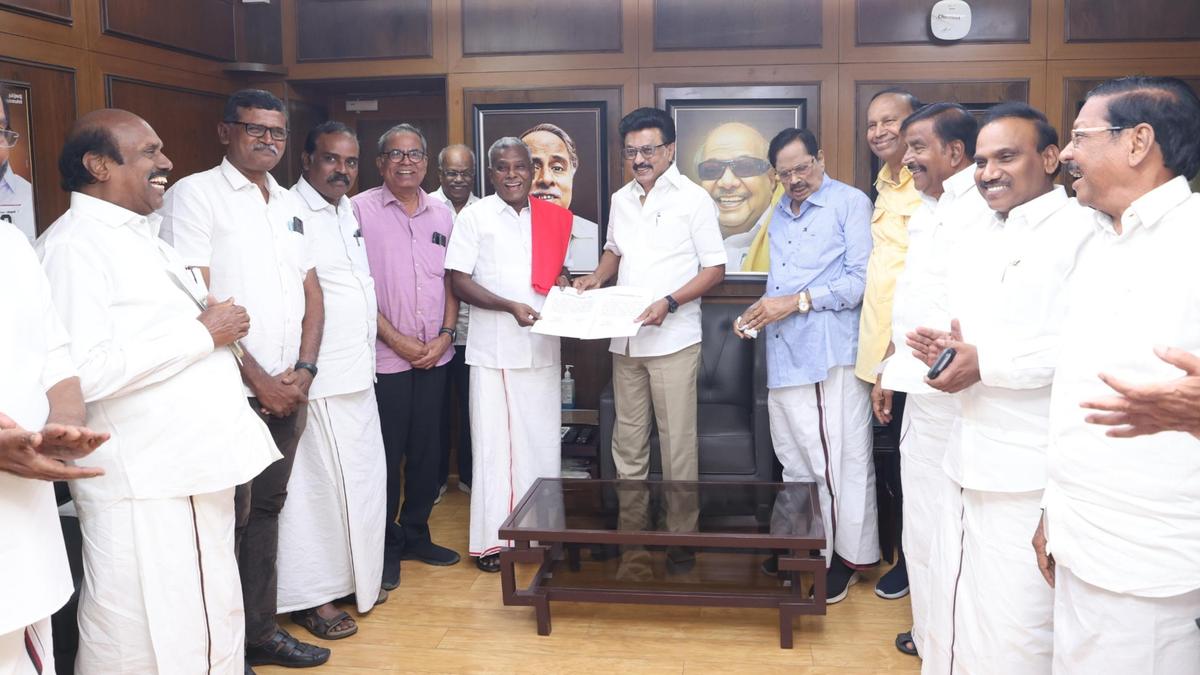
After intense negotiations, the CPI(M) has accepted the DMK’s offer of five seats for the upcoming Tamil Nadu Assembly elections. The agreement was signed on March 23, 2026, by DMK President and Chief Minister M. K. Stalin and CPI(M) State Secretary P. Shanmugam at Anna Arivalayam in Chennai. Despite initially seeking a double-digit number of seats and later requesting at least the six seats they were allotted in the previous election, the CPI(M) ultimately conceded, citing the need to prevent a favorable outcome for the AIADMK-BJP alliance and in the interest of the INDIA bloc.
Key Points:
- The CPI(M) accepted five seats from the DMK for the Tamil Nadu Assembly elections.
- Negotiations were difficult, with the CPI(M) initially demanding more seats.
- DMK cited the inclusion of more parties in the alliance as the reason for not increasing the CPI(M)’s seat allocation.
- The CPI(M)’s decision was influenced by the desire to prevent the AIADMK-BJP combine from gaining an advantage.
- The DMK has now completed seat-sharing agreements with most of its older allies.
Critical Analysis:
The CPI(M)’s acceptance of a reduced seat allocation highlights the strategic importance of maintaining a united front against the AIADMK-BJP alliance. The “INDIA” bloc’s influence also played a role in the decision. The DMK is clearly prioritizing its own position and accommodating new alliance members, demonstrating its dominance in the coalition. The mention of the DMDK as a “recent entrant” implies that the DMK views them differently than the older allies.
Key Takeaways:
- Coalition politics often involves compromise, even when it means accepting less than desired.
- The DMK is asserting its position as the dominant party in the alliance.
- The fear of a rival alliance (AIADMK-BJP) is a significant factor driving coalition decisions.
- National-level alliances (INDIA bloc) can influence state-level negotiations.
- Newer members of an alliance are often treated differently than established partners.
Impact Analysis:
This event solidifies the DMK’s control over the alliance and sets the stage for the upcoming elections. While the CPI(M) may be somewhat disgruntled, their participation ensures a united front against the opposition. The long-term impact will depend on the overall performance of the alliance in the election and whether the CPI(M)’s reduced representation affects their influence in the state government. This could also influence future seat-sharing arrangements and the power dynamics within the DMK-led coalition. The successful onboarding of the DMDK and the final negotiations with the remaining parties will be crucial indicators of the alliance’s overall strength and cohesion.
 First Piper