
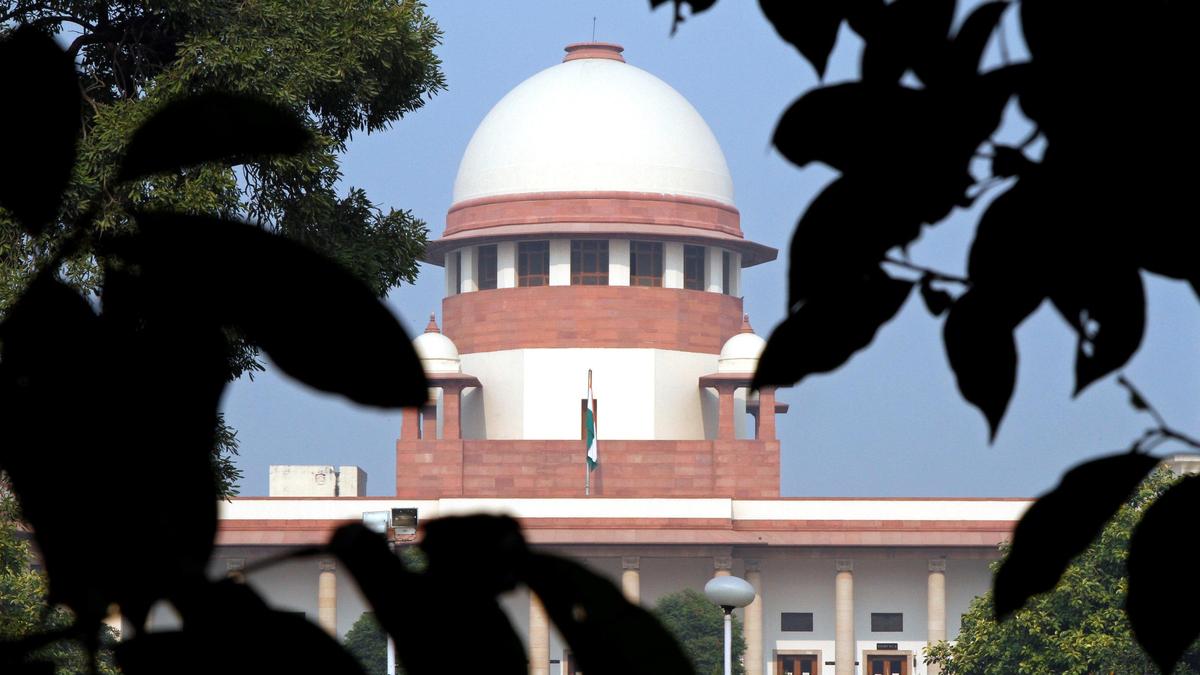
Tue Mar 24 08:42:19 UTC 2026: ### Headline: Supreme Court Dismisses Petition for Separate DNT Enumeration in 2027 Census
The Story:
The Supreme Court of India dismissed a petition on March 24, 2026, seeking a separate enumeration of Denotified, Nomadic, and Semi-Nomadic Tribe (DNTs/NTs/SNTs) communities in the upcoming 2027 Census. Chief Justice Surya Kant stated that the petition appeared to be part of a “calculated” and “deep-rooted” effort to divide India, questioning the need to create more classes when striving for a casteless society. The Court allowed the petitioners to approach the appropriate government authorities with their representation.
Key Points:
- The Supreme Court dismissed a petition requesting separate enumeration of DNTs/NTs/SNTs in the 2027 Census.
- Chief Justice Surya Kant expressed concerns about the divisive nature of the request, linking it to a potential effort to create more classes.
- Petitioners argued that the lack of separate enumeration has hindered their access to government benefits and affirmative action since the formation of the Republic.
- The Court granted the petitioners the liberty to approach government authorities with their concerns.
Critical Analysis:
The Supreme Court’s decision reflects a tension between the need to address historical injustices faced by marginalized communities and the broader goal of building a casteless society. The Court’s skepticism suggests a concern that creating distinct categories could further entrench social divisions. This decision is happening on the same day that there are various other court cases being heard, which may or may not have any bearing on the current case.
Key Takeaways:
- The Supreme Court prioritizes the ideal of a casteless society, even if it means delaying or denying specific enumeration for historically marginalized communities.
- The decision underscores the complexities involved in balancing affirmative action with broader social cohesion goals.
- The DNTs/NTs/SNTs communities will need to pursue alternative avenues, such as representations to government authorities, to address their concerns regarding access to benefits and affirmative action.
Impact Analysis:
This decision is likely to have a significant impact on the DNTs/NTs/SNTs communities. The absence of specific data on these communities could perpetuate their marginalization and hinder targeted interventions. The communities might need to mobilize and engage with government agencies to demonstrate the need for specific policies and programs that address their unique challenges, utilizing the avenue provided by the Supreme Court. The long-term impact will depend on the government’s response to the community’s representation.
 First Piper