
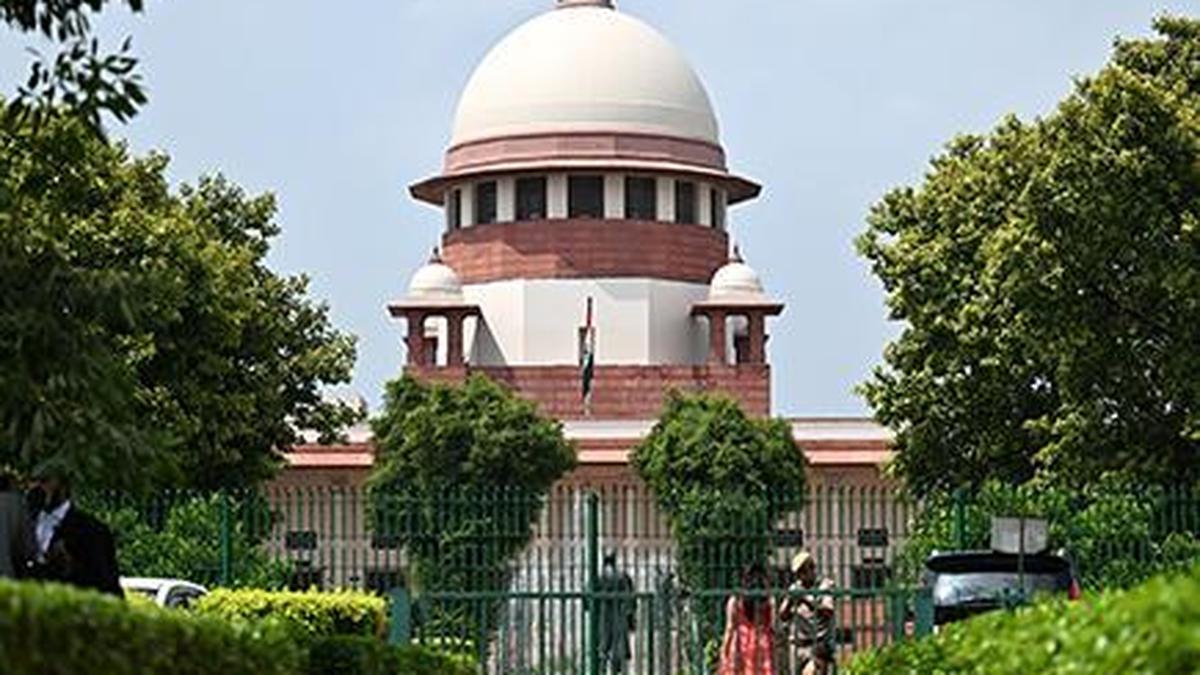
Tue Mar 24 07:29:36 UTC 2026: Headline: Supreme Court Upholds Constitutionality of Scheduled Caste Order, Denies Benefits to Converts
The Story: The Supreme Court of India, on March 24, 2026, affirmed an Andhra Pradesh High Court ruling, stating that individuals who convert from Hinduism, Sikhism, or Buddhism to other religions, including Christianity, are not entitled to Scheduled Caste benefits. The decision centered around a case involving a Christian pastor who had filed a complaint under the Scheduled Caste and Scheduled Tribe (Prevention of Atrocities) Act. The Court’s ruling reinforces Clause 3 of the Constitution (Scheduled Caste) Order, 1950, which limits Scheduled Caste status to those professing Hinduism, Sikhism, or Buddhism.
Key Points:
- The Supreme Court confirmed that only Hindus, Sikhs, and Buddhists can claim Scheduled Caste status.
- Conversion to any other religion disqualifies individuals from receiving Scheduled Caste benefits.
- The ruling was based on Clause 3 of the Constitution (Scheduled Caste) Order, 1950.
- The court found that the restriction under Clause 3 is absolute and admits no exception.
- The case involved a converted Christian pastor who filed a complaint under the Scheduled Caste and Scheduled Tribe (Prevention of Atrocities) Act.
Key Takeaways:
- The Supreme Court has reaffirmed the existing legal framework regarding Scheduled Caste status and religious conversion.
- This decision could impact individuals who have converted from Hinduism, Sikhism, or Buddhism to other religions and were previously receiving Scheduled Caste benefits.
- The ruling highlights the intersection of religious identity, caste, and constitutional rights in India.
- This decision reinforces the legal precedent established by the Constitution (Scheduled Caste) Order, 1950.
Impact Analysis:
- Immediate Impact: Individuals who have converted and were availing Scheduled Caste benefits may lose access to these provisions, including reservation in education, employment, and other affirmative action programs.
- Social Impact: The decision may reignite debates about religious freedom, social justice, and the rights of marginalized communities. It could lead to increased scrutiny of conversion practices and their implications for social stratification.
- Legal Impact: The ruling solidifies the interpretation of Clause 3 of the Constitution (Scheduled Caste) Order, 1950, potentially setting a precedent for future cases involving similar issues. It may also prompt calls for legislative or constitutional amendments to address the concerns of religious minorities.
- Political Impact: The decision could become a contentious political issue, with various political parties and social groups taking different stances on the matter. It could influence electoral dynamics, especially in regions with significant populations of Scheduled Castes and religious minorities.
 First Piper