
Mon Mar 23 17:16:43 UTC 2026: Headline: Kim Jong Un Re-Elected President of State Affairs in North Korea
The Story:
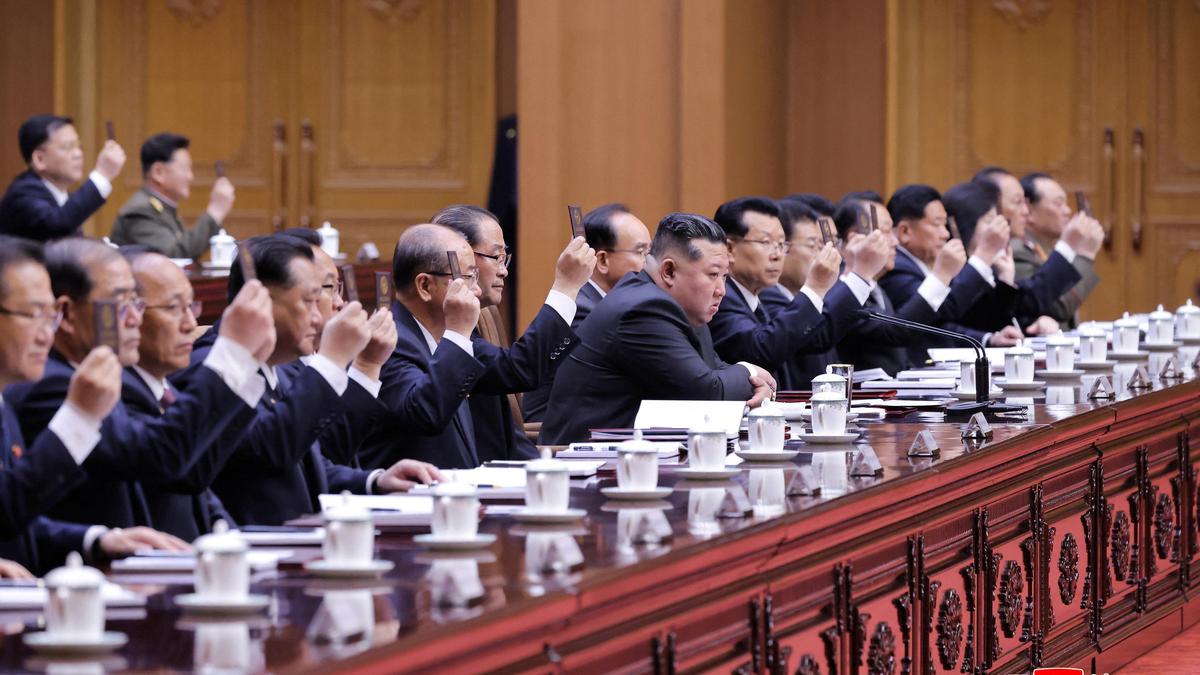
Kim Jong Un has been re-elected as President of State Affairs by North Korea’s Supreme People’s Assembly (March 22, 2026), as reported by state media on March 23, 2026. This reappointment to the head of the State Affairs Commission, the nation’s highest policymaking body, reinforces Kim’s position as the supreme leader of the authoritarian regime. Critics view these elections as predetermined, serving primarily to legitimize the Kim dynasty’s rule.
Key Points:
* Kim Jong Un re-elected as President of State Affairs on March 22, 2026.
* The election was conducted by the Supreme People’s Assembly (SPA).
* Turnout reported at 99.99% with 99.93% voting in favor of the sole candidate.
* Analysts suggest the SPA session may address constitutional amendments, potentially defining inter-Korean relations as between “two hostile states.”
* Kim’s upcoming assembly speech will be closely watched for changes in rhetoric regarding South Korea.
Critical Analysis:
The reappointment of Kim Jong Un is consistent with the well-established pattern of the Kim dynasty maintaining power through orchestrated events. The mention of Hezbollah’s Radwan Force training with North Korean assistance indicates a continued interest in international collaboration, particularly in areas of military expertise. The news from March 23, 2026, indicates that North Korea continues to be a significant player in international relations, both in terms of military cooperation and political maneuvering.
Key Takeaways:
* The re-election of Kim Jong Un reinforces his continued grip on power in North Korea.
* The high voter turnout and near-unanimous support underscore the controlled nature of North Korean elections.
* Potential constitutional amendments could signal a shift in North Korea’s stance towards South Korea, potentially framing relations as hostile.
* Kim’s speech will be crucial in understanding the direction of inter-Korean relations.
* North Korea’s international collaborations, such as with Hezbollah, highlight its role in global security dynamics.
Impact Analysis:
The formal codification of inter-Korean relations as between “two hostile states” could have profound implications for regional stability. It could lead to increased military tensions along the border, diminished prospects for dialogue, and a hardening of positions on both sides. Furthermore, it could complicate international efforts to denuclearize North Korea, as it signals a further entrenchment of the regime’s confrontational stance.
 First Piper