
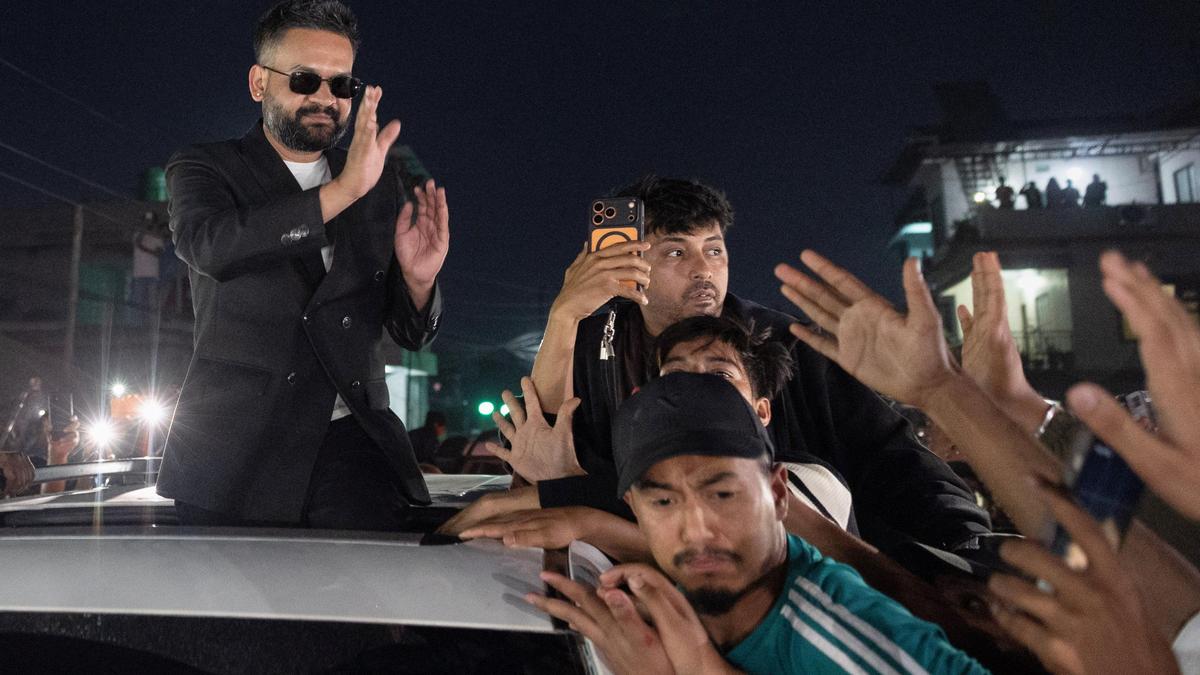
Tue Mar 24 07:45:59 UTC 2026: ### Nepal’s Political Earthquake: Youth Movement Sweeps Rastriya Swatantra Party to Power
The Story:
Nepal has witnessed a significant political shift with the Rastriya Swatantra Party (RSP), led by former Kathmandu Mayor Balendra Shah (Balen), securing a two-thirds majority in the recent elections held on March 7, 2026. This outcome is described as a “political earthquake,” signifying a comprehensive rejection of established parties and older leaders who have dominated the political landscape for decades. The RSP’s victory is largely attributed to the support of a younger generation of professionals and tech-savvy individuals, including Gen Z activists who previously toppled the Oli Government in September 2025.
The newly elected government faces the daunting task of fulfilling high expectations, including job creation for the youth, reversing emigration, stimulating economic growth, and combating corruption. While voters have expressed their dissatisfaction with the old order, the article notes that the RSP’s mandate isn’t necessarily a clear endorsement of a specific reform agenda.
Key Points:
- The Rastriya Swatantra Party (RSP), led by Balendra Shah, won a two-thirds majority in the recent elections.
- The election results represent a rejection of established parties and older leaders.
- The RSP enjoys support from a younger generation and Gen Z activists.
- The new government faces significant challenges, including job creation and economic growth.
- The article highlights the risk of disillusionment if the new government fails to meet expectations.
- India has extended encouragement to Nepal, focusing on development and infrastructure.
- The article suggests restructuring the India-Nepal relationship, moving beyond historical legacies.
- The author suggests India should view the rise of youth-led movements in Nepal as part of a wider regional trend, and not immediately label them as “anti-India.”
Critical Analysis:
The historical context provided, including the agitations of September 2025 triggered by demands for good governance and the dashed expectations following the Maoists’ integration into the democratic mainstream, provides critical context for understanding the current political upheaval. The caretaker Prime Minister Sushil Karki’s warning about a potential recurrence of mob fury if the new government fails to deliver underscores the high stakes involved. The article suggests that the youth of Nepal were motivated to vote out the prior government due to long standing failures to deliver tangible improvements to the country, particularly with the economy.
Key Takeaways:
- Nepal is undergoing a significant political transition with a shift towards younger leadership.
- The new government must address pressing issues such as unemployment, corruption, and economic stagnation.
- India needs to reassess its relationship with Nepal, focusing on cooperation and mutual benefit.
- The rise of youth-led movements in Nepal reflects a broader regional trend of dissatisfaction with traditional politics.
- Failure to meet the expectations of the people could lead to instability and disillusionment.
Impact Analysis:
The election of the RSP and Balendra Shah has the potential to reshape Nepal’s political landscape and its relationship with neighboring countries. A successful transition could lead to greater economic development, improved governance, and a stronger partnership with India. However, failure to deliver on promises could result in renewed instability and a setback for Nepal’s progress. The restructuring of the India-Nepal relationship, as suggested in the article, could have long-term implications for regional cooperation and stability. The article also suggests that India’s relationship with the United States under a hypothetical Trump administration could also impact the geopolitical landscape of the region.
 First Piper