
Tue Mar 24 03:43:52 UTC 2026: Headline: Kim Jong Un Pledges Irreversible Nuclear Status, Escalates Rhetoric Against South Korea
The Story:
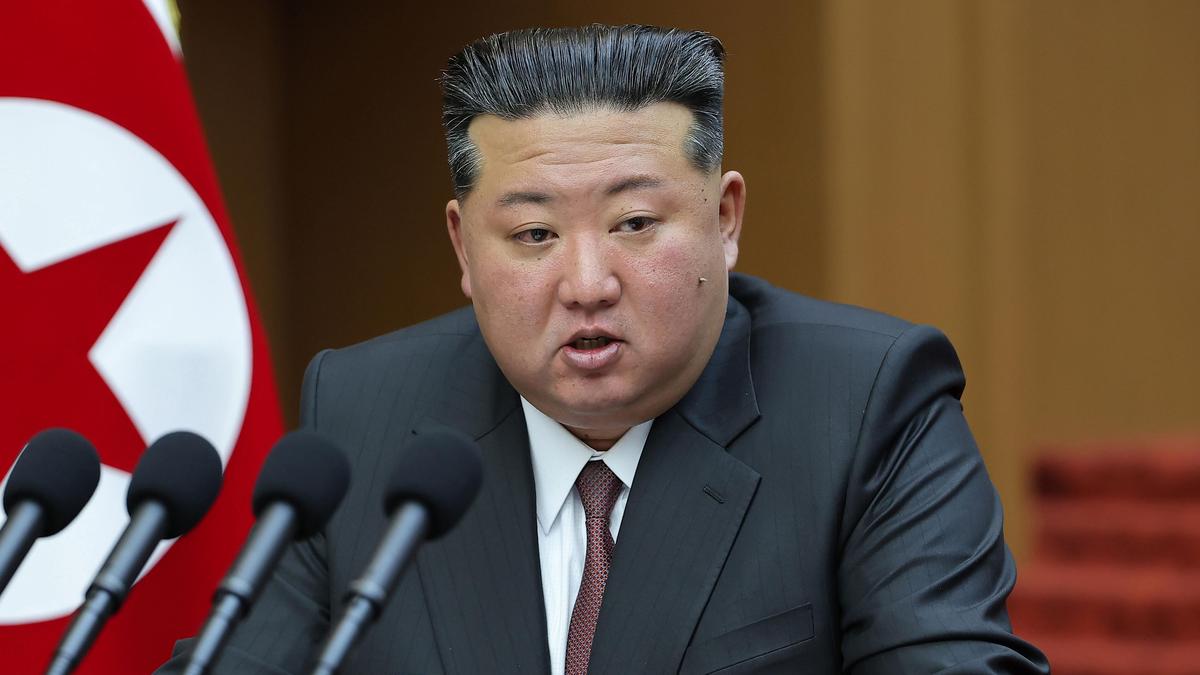
North Korean leader Kim Jong Un has vowed to solidify North Korea’s position as an unshakeable nuclear power and has intensified his hostile stance against South Korea, labeling it the “most hostile” state. Speaking to the Supreme People’s Assembly on Monday, March 23, 2026, Kim also accused the United States of “state terrorism and aggression” in relation to the conflict in West Asia, suggesting a united front against Washington. While refraining from directly naming former U.S. President Donald Trump, Kim indicated North Korea would be prepared to respond to either confrontation or peaceful coexistence, depending on the choices made by its adversaries.
Key Points:
* Kim Jong Un declared North Korea’s “irreversible” status as a nuclear power.
* South Korea was labeled the “most hostile” state.
* Kim accused the United States of “state terrorism and aggression”.
* Revised constitution passed, but details unspecified.
* Kim has been prioritizing Russia in his foreign policy, sending military aid to Ukraine.
* Joint attacks by US and Israel on Iran may have affected Kim’s willingness to negotiate.
Critical Analysis:
The historical context reveals a parallel event: former Israeli Prime Minister Netanyahu’s communication with former U.S. President Trump, vowing to protect Israel’s interests amid the Iran-Israel conflict. This suggests a broader geopolitical landscape where regional tensions are escalating, and key players are aligning themselves with major powers. The fact that Kim Jong Un mentions the US involvement in West Asia and that the US and Israel jointly attacked Iran right before this speech might be a reason why he raised the bar for reviving dialogue with Washington. Kim’s hard stance might be a negotiating tactic, but the timing also suggests external events, particularly the actions of the US and its allies, are influencing his decision-making.
Key Takeaways:
* North Korea is solidifying its nuclear ambitions, making denuclearization efforts increasingly difficult.
* The relationship between North and South Korea has deteriorated further, diminishing prospects for peaceful unification.
* North Korea is positioning itself within a broader global context of rising tensions, particularly between the US and its adversaries.
* Prioritizing Russia in foreign policy might be a strategic move to gain aid and military tech.
* Actions by the US and its allies may be influencing Kim’s willingness to negotiate.
Impact Analysis:
Kim Jong Un’s declaration of irreversible nuclear status and escalated rhetoric against South Korea carries significant long-term implications. This could lead to increased military build-up in the region, heightened tensions between North and South Korea, and a potential arms race. The shift in North Korea’s foreign policy towards Russia could also alter the balance of power in Northeast Asia. The failure of dialogue and the entrenchment of nuclear capabilities raise the risk of miscalculation and potential conflict, making the Korean Peninsula a persistent source of instability in international relations.
 First Piper