
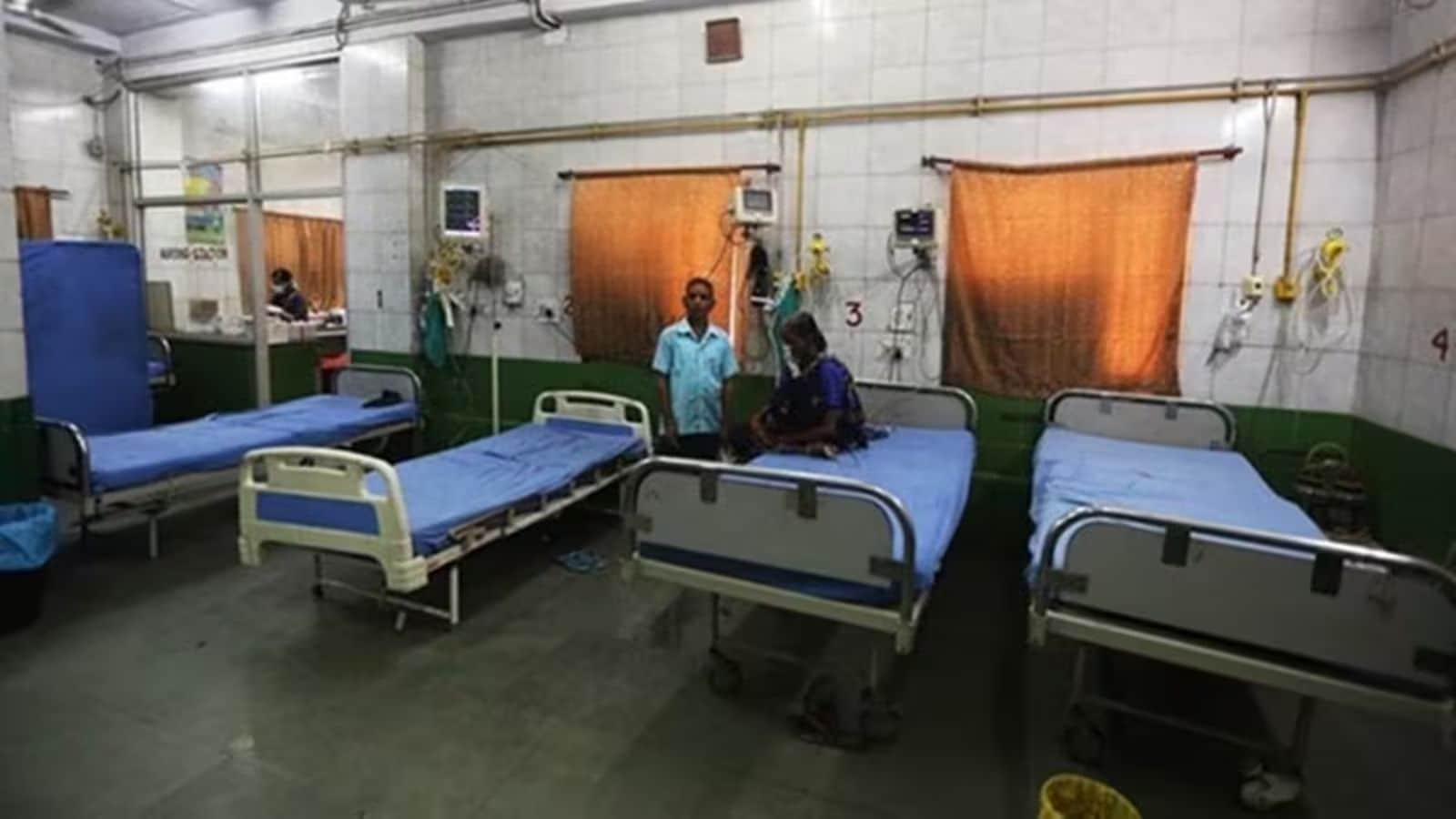
Tue Mar 24 08:06:16 UTC 2026: ### Headline: CAG Report Exposes Critical Deficiencies in Delhi Government Hospital Drug Procurement and Quality Control
The Story:
A scathing performance audit by the Comptroller and Auditor General of India (CAG) has revealed significant systemic failures in the procurement, availability, and quality control of essential drugs across Delhi government hospitals. The report, covering the period from 2016-17 to 2021-22, highlights the inability of the Central Procurement Agency (CPA) to ensure timely drug supply, forcing hospitals to procure a substantial percentage (33-47%) of essential drugs independently. This has led to shortages, compromised patient care, and increased expenditure due to local purchases. The audit also uncovered alarming lapses in quality assurance, including the distribution of untested drugs and procurement from blacklisted suppliers.
Key Points:
- Hospitals procured 33-47% of essential drugs independently due to CPA failures between 2016-17 and 2021-22.
- Medicines were often not provided to patients on the same day, even at Lok Nayak Hospital, Delhi’s largest government healthcare institution.
- Significant shortages of essential medicines and equipment were found in ICUs and emergency departments.
- Only 28% of tenders floated by the CPA for medical equipment were awarded.
- Drugs were distributed to hospitals before quality testing, with some later found to be of inferior quality.
- Procurement occurred from blacklisted or debarred firms.
- The Essential Drugs List (EDL) was not updated annually, and a Delhi State Formulary has been absent since 1994.
- Annual drug procurement costs at one hospital rose from Rs 5.37 crore in 2016-17 to Rs 32.33 crore in 2020-21.
- Plans to establish four Central Drug Procurement, Storage and Distribution Centres, as per the 1994 Drug Policy, have not been implemented.
Critical Analysis:
The historical context provided includes news of the Delhi government announcing a “Green Budget” and various schemes focused on women’s financial assistance, newborn health, and free LPG cylinders. Simultaneously, there are reports of a hotel owner in Karnataka committing suicide due to debt, citing LPG shortages. This backdrop presents a complex picture. While the Delhi government is actively promoting welfare schemes and a “Green Budget,” the CAG report reveals fundamental flaws in healthcare infrastructure. The contrast between high-profile initiatives and the basic provision of essential medicines raises questions about resource allocation and prioritization. The focus on new schemes may be diverting attention and resources from the critical need to maintain and improve existing healthcare systems, potentially leading to a neglect of essential functions like drug procurement and quality control.
Key Takeaways:
- The CAG report exposes a critical failure in the Delhi government’s ability to provide basic healthcare services through its hospitals.
- Systemic issues in procurement, quality control, and policy implementation are compromising patient care and increasing costs.
- The lack of a regularly updated EDL and the absence of a State Formulary for decades point to a significant policy vacuum.
- The situation necessitates urgent corrective action to revamp the CPA, improve quality assurance, and ensure timely drug availability.
- There is a concerning disconnect between the government’s focus on new welfare schemes and its ability to maintain essential healthcare infrastructure.
Impact Analysis:
The findings of the CAG report have far-reaching implications for public health in Delhi. The shortage of essential medicines and equipment can lead to delayed treatment, increased morbidity, and potentially preventable deaths. The distribution of substandard drugs poses a serious risk to patient safety. The financial implications are also significant, with hospitals incurring higher costs due to local purchases. Furthermore
 First Piper