
Tue Mar 24 00:00:40 UTC 2026: ### Pakistan Emerges as Key Mediator in US-Iran Conflict
The Story:
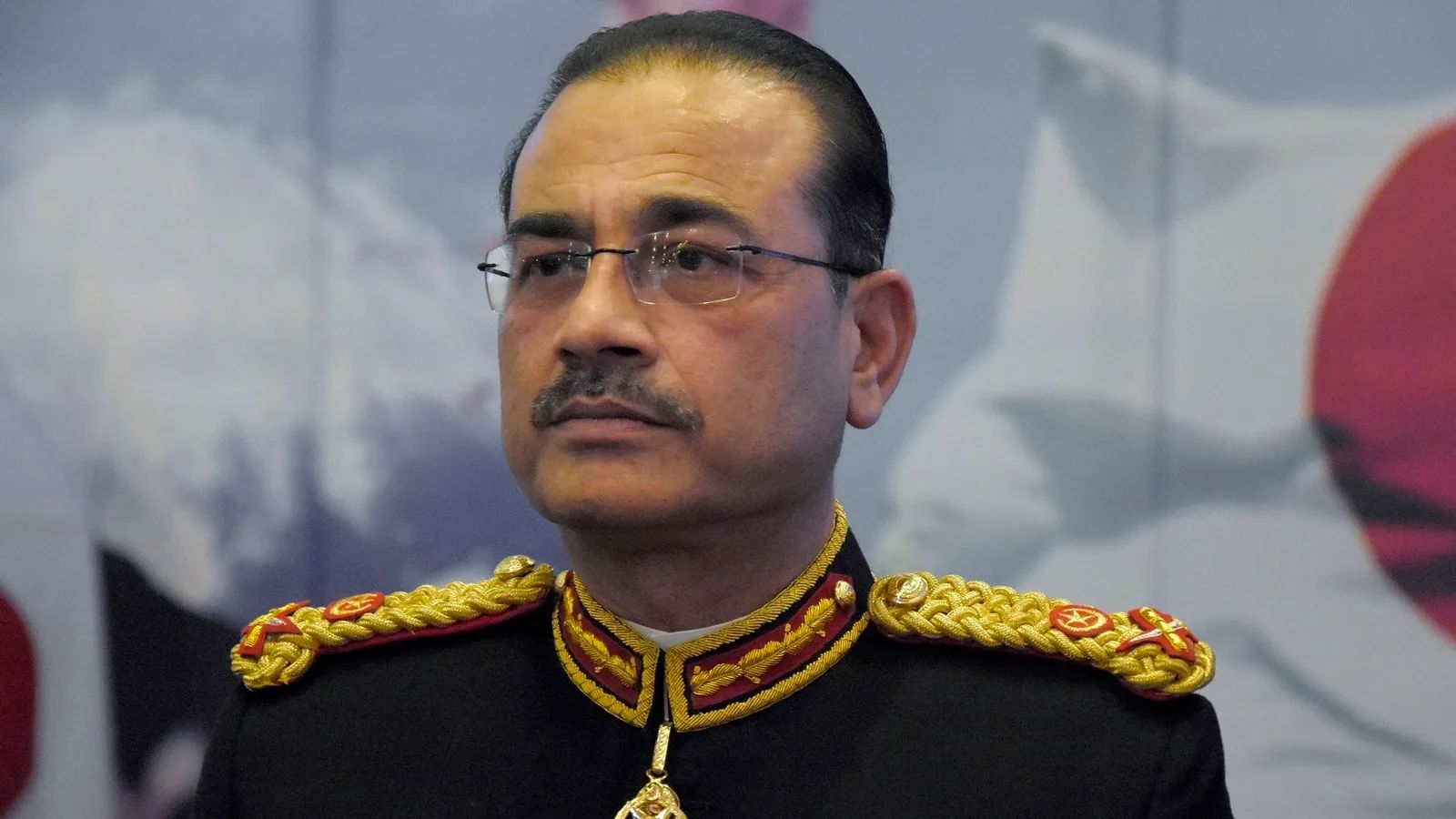
Pakistan is positioning itself as a lead mediator between the United States and Iran amidst an ongoing war. According to a report by the Financial Times on Monday, Pakistan’s Army chief, Field Marshal Asim Munir, has communicated with former US President Donald Trump. Simultaneously, Pakistani Prime Minister Muhammad Shehbaz Sharif held discussions with Iranian President Masoud Pezeshkian. Pakistan, along with Turkiye and Egypt, is reportedly engaged in “active back-channel diplomacy” to de-escalate tensions, offering Islamabad as a potential venue for talks. These efforts coincide with Trump’s announcement of delaying his threat to attack Iranian power plants following “productive” conversations.
Key Points:
- Pakistan’s Army chief has spoken with former US President Donald Trump regarding the US-Iran conflict.
- Prime Minister Sharif has engaged in talks with Iranian President Pezeshkian.
- Pakistan, Turkiye, and Egypt are actively involved in back-channel diplomacy.
- Trump delayed a planned attack on Iranian power plants after productive conversations.
- Iran’s foreign ministry acknowledges mediation efforts by regional states but denies direct negotiations with the US.
Critical Analysis:
The flurry of diplomatic activity suggests a concerted effort to avert further escalation. Pakistan’s unique position as a US ally without American bases and a significant Shia Muslim population makes it a credible neutral arbiter. The involvement of Turkiye and Egypt, alongside the US Special Envoy to the Middle East, Steve Witkoff, and Iranian Foreign Minister Abbas Araghchi, underscores the regional urgency to find a diplomatic solution. Trump’s decision to delay attacks, coupled with Iran’s acknowledgement of indirect communication, signals a tentative willingness to engage, albeit through intermediaries.
Key Takeaways:
- Pakistan is playing a central role in mediating the US-Iran conflict.
- Regional powers are actively involved in de-escalation efforts.
- Indirect communication channels are being utilized to facilitate dialogue.
- The situation remains highly sensitive, with both sides wary of direct negotiations.
- The potential for a ceasefire and formal negotiations hinges on the success of these mediation efforts.
Impact Analysis:
The success or failure of Pakistan’s mediation efforts could have significant long-term implications for regional stability. A successful de-escalation could prevent a wider conflict and foster a more stable security environment. Conversely, a failure could lead to further escalation, potentially drawing in other regional and global actors, with catastrophic consequences. The alignment of Turkiye, Egypt, and Pakistan also points to a potential new axis of influence in the Middle East, capable of shaping future diplomatic and security initiatives.
 First Piper