
Tue Mar 24 07:05:26 UTC 2026: ### Trump’s Iran Pause: Strategic Recalibration or Diplomatic Mirage?
The Story:
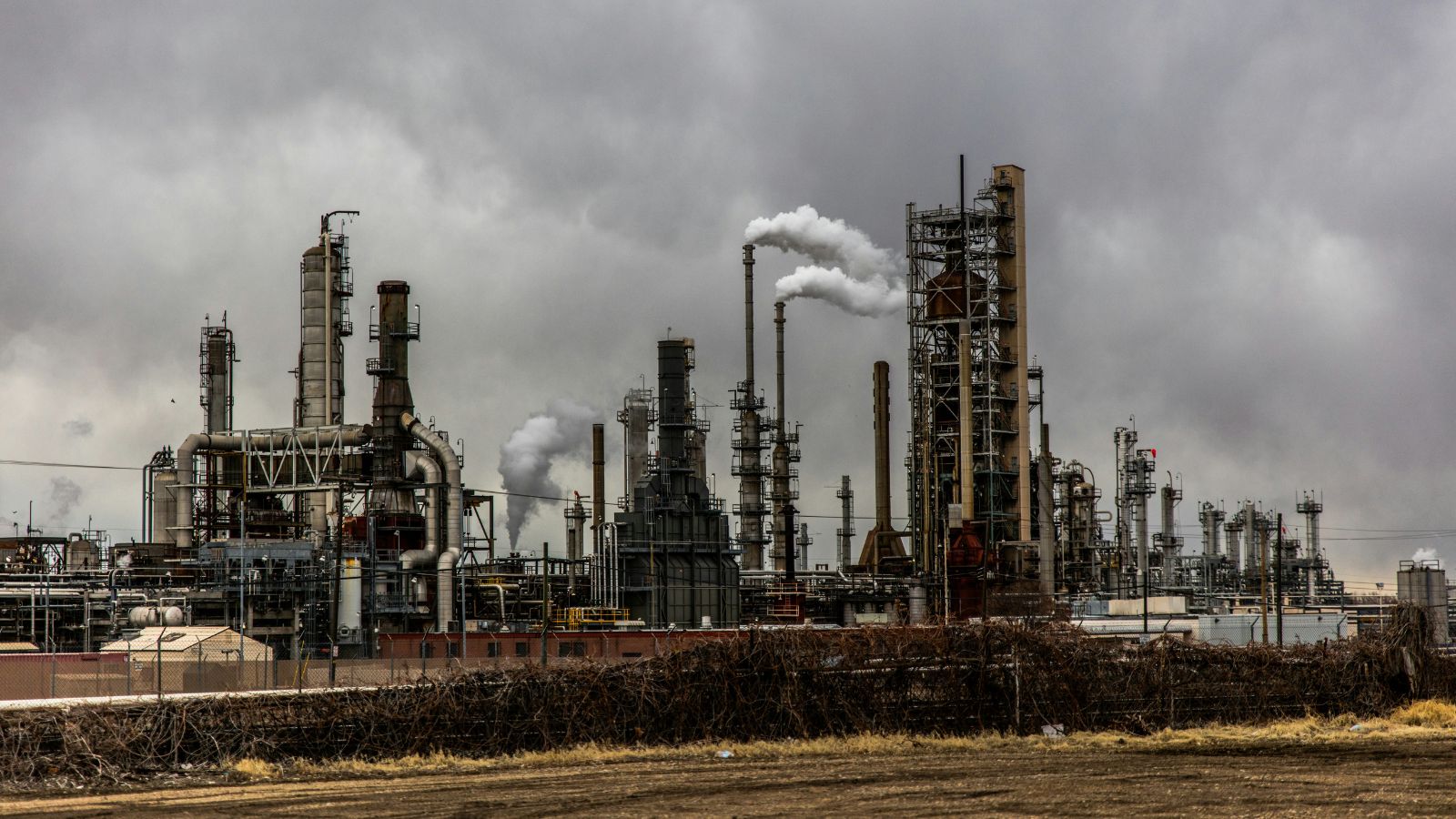
President Donald Trump announced a five-day postponement of military strikes on Iranian energy infrastructure. This decision, purportedly based on “productive conversations” with Tehran, is viewed with skepticism by defense analysts. Iran has vehemently denied any direct negotiations, raising concerns that the pause may be a strategic recalibration or political maneuver rather than a genuine de-escalation. The analyst suggests the pause provides an opportunity for logistical consolidation, intelligence reassessment, and potential replenishment of missile stocks.
Key Points:
* Five-day pause in military strikes on Iranian energy infrastructure announced by President Trump.
* Iran denies any direct negotiations with the U.S., casting doubt on the stated reason for the pause.
* The pause aligns with operational logistics cycles, including munitions replenishment and asset repositioning.
* The Strait of Hormuz remains a critical vulnerability, with Iran possessing the capability to disrupt global oil supplies.
* Threats to target desalination plants in Gulf states likely contributed to the decision to halt hostilities.
* The pause may serve domestic political messaging objectives in Washington.
* India faces increased economic and security vulnerabilities due to its reliance on Gulf oil and its expatriate community in the region.
Critical Analysis:
The historical context provided reveals a pattern of Trump’s administration engaging in unconventional diplomatic tactics, including using social media and public statements to exert pressure. The mention of “Trump Sours on British Leader Over Iran War” and “Trump shares SNL skit mocking Starmer” suggests a volatile and potentially unpredictable decision-making process regarding the Iran conflict. The Iran’s dismissal of negotiation talks as “fake news” adds weight to skepticism around the narrative of “productive conversation” being the reason for the pause. The Greenland threat also creates a picture of erratic geopolitical moves. This behavior, coupled with Iran’s denial of negotiations, strengthens the argument that the pause is more about strategic repositioning and political optics than genuine diplomacy.
Key Takeaways:
- Pauses in military action, particularly in complex conflicts, should be viewed with caution and analyzed from both military and political perspectives.
- Strategic communication during wartime often prioritizes domestic political objectives.
- The Strait of Hormuz remains a critical chokepoint, and any disruption poses significant economic and security risks.
- Gulf nations face a delicate balancing act between security alliances and conflict avoidance.
- India must prioritize missile warfare readiness, robust logistics, and infrastructure protection to mitigate the impact of regional conflicts.
Impact Analysis:
The postponement of strikes, regardless of the underlying reasons, has several potential long-term implications:
- Regional Instability: The situation remains highly volatile, with the potential for renewed hostilities. The pause could be exploited by either side to strengthen their positions.
- Economic Consequences: Continued uncertainty in the region will likely drive up oil prices and shipping costs, impacting global economies, especially those heavily reliant on Gulf oil.
- Geopolitical Realignment: The crisis could further strain relationships between the U.S. and its allies, particularly if the perception grows that Trump’s administration is acting unilaterally.
- Military Modernization: The conflict underscores the importance of advanced missile defense systems and hardened infrastructure, potentially leading to increased military spending in the region and beyond.
- Shift in Power Dynamics: The situation could embolden Iran to pursue its regional ambitions, challenging the existing balance of power in the Middle East.
 First Piper