
Mon Mar 23 06:11:33 UTC 2026: Headline: Renault Revives Duster in India with Localized Branding and Hybrid Promise
The Story:
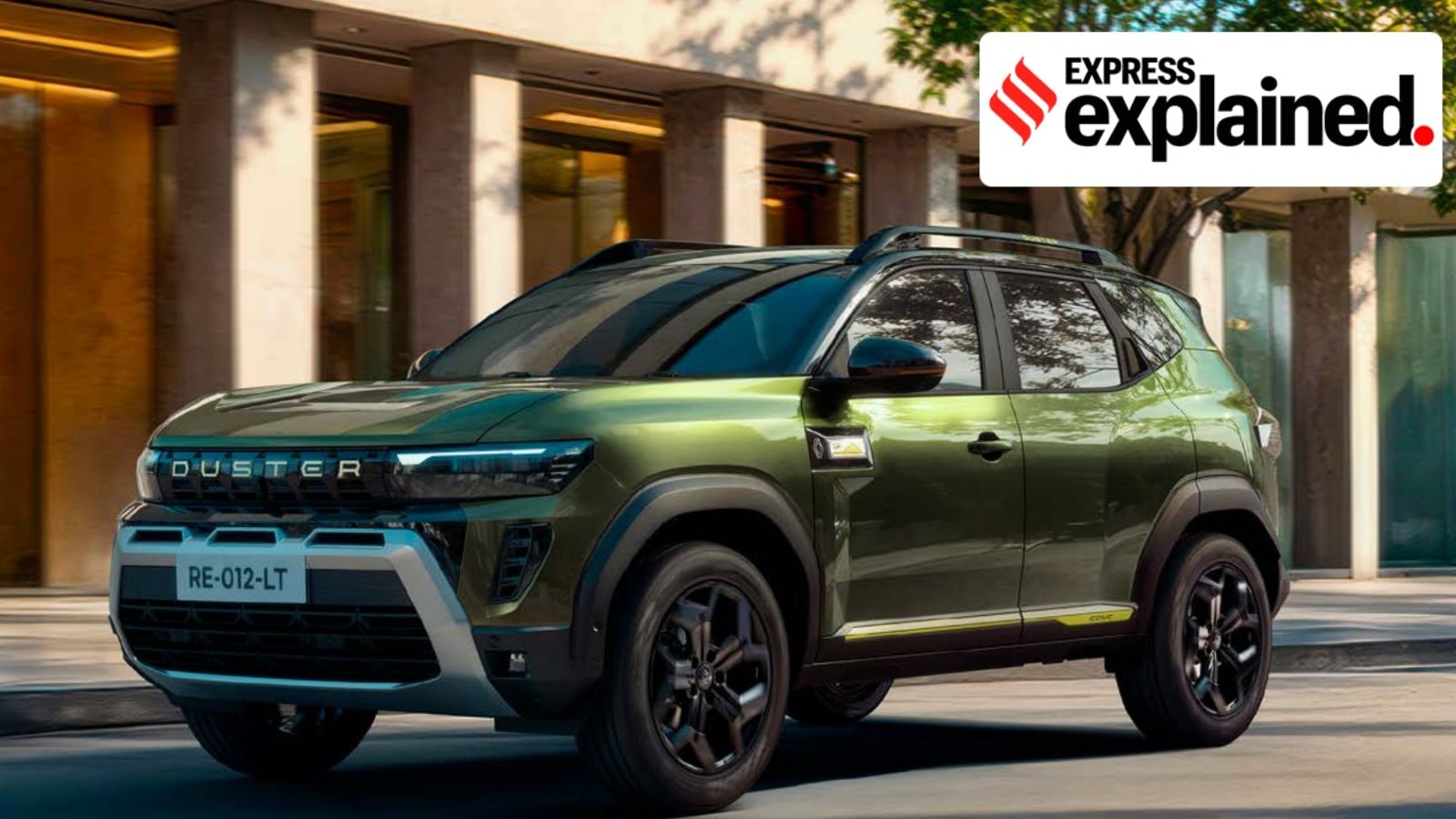
Renault India has reintroduced the third-generation Duster SUV, nearly three years after ceasing production of its first-generation model. The new India-spec Duster features notable differences from its global counterparts, most prominently replacing the “Renault” grille with “Duster,” signaling a strategic focus on model recognition over brand prominence in the Indian market. The return of the Duster, which pioneered the midsize SUV segment in India in 2012, has generated significant market anticipation, with the hybrid version already sold out for 2026.
This move coincides with broader trends in the automotive industry, including minimalist branding and a shift towards “flat” logos suitable for digital platforms, reflecting the increasing importance of screens in vehicle interfaces and marketing. Automakers are also repositioning themselves as technology companies amidst the transition to electric vehicles.
Key Points:
- Renault India has launched the third-generation Duster SUV.
- The India-spec Duster replaces the “Renault” grille with “Duster,” prioritizing model recognition.
- The first-generation Duster sold over 200,000 units in India.
- The hybrid version of the new Duster is sold out for 2026.
- Prices for the turbo-petrol variants range from Rs 10.49 lakh to Rs 18.49 lakh (ex-showroom).
- The automotive industry is moving towards minimalist branding and “flat” logos.
- This shift reflects a broader change in how car companies present themselves in the digital age and their positioning as technology companies.
Critical Analysis:
The decision to prioritize the “Duster” name over the “Renault” brand in India underscores the established brand equity of the Duster model within the Indian market. Given the historical context showing widespread anticipation for various events, the anticipation for the Duster’s return is not unique, but it is notable that the hybrid version is already sold out, indicating strong consumer confidence in the model. The branding decision aligns with broader trends towards minimalist design and digital-first strategies, suggesting Renault is adapting to the evolving demands of the automotive market.
Key Takeaways:
- Brand recognition at the model level can sometimes outweigh the need for prominent corporate branding, particularly in markets where a specific model has cultivated a strong following.
- The automotive industry is undergoing a significant shift towards minimalist branding and digital-friendly designs.
- Electric vehicle manufacturers are leading the charge in adopting simpler, more minimalist branding strategies.
- Automakers are increasingly positioning themselves as technology companies, which influences their branding and design choices.
- The success of the Duster in India demonstrates the importance of rugged design and reliability in the Indian market.
Impact Analysis:
The return of the Duster with localized branding and a hybrid option could have a significant impact on the Indian midsize SUV market. By focusing on the Duster’s established brand recognition, Renault aims to capitalize on its previous success and attract a loyal customer base. The sold-out status of the hybrid version signals a growing demand for electric and hybrid vehicles in India. The broader trend towards minimalist branding is likely to continue, influencing design choices across the automotive industry. This relaunch could set a precedent for other manufacturers looking to leverage model-specific brand equity in diverse markets.
 First Piper