
Mon Mar 23 11:43:34 UTC 2026: ### India Navigates Global Turmoil as West Asia Conflict Deepens
The Story:
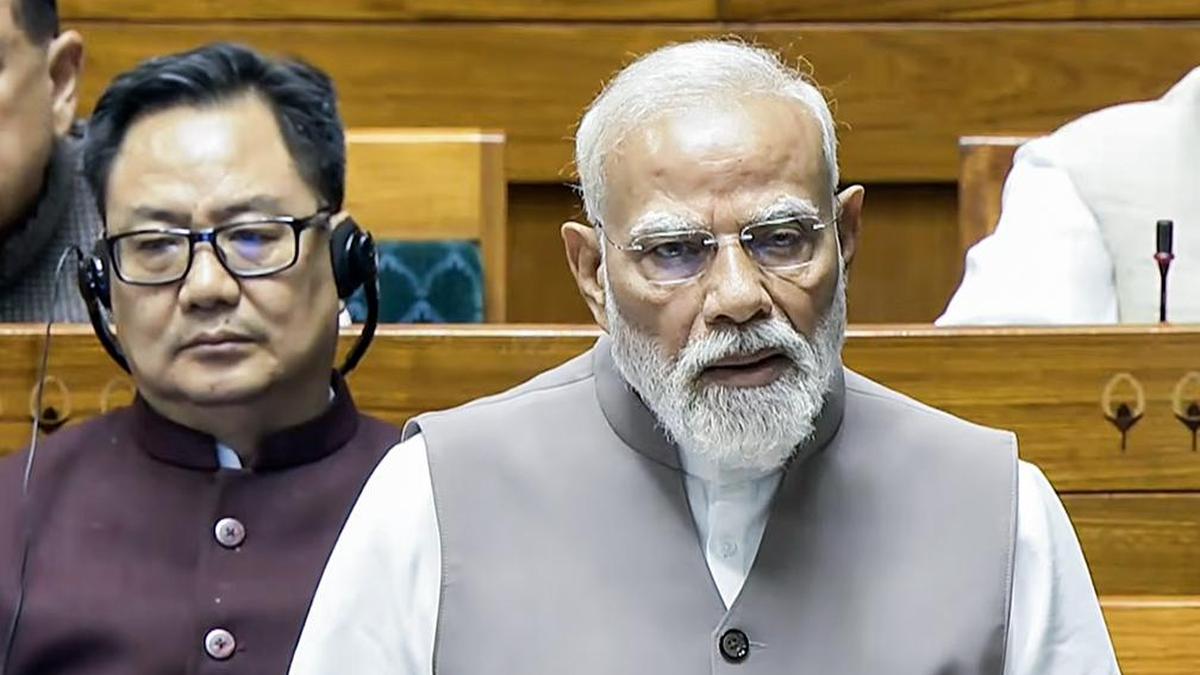
Prime Minister Narendra Modi addressed the Lok Sabha on Monday, March 23, 2026, concerning the escalating crisis in West Asia. He characterized the situation as “worrisome,” highlighting its adverse impact on the global economy and livelihoods. Modi emphasized the importance of dialogue and diplomacy to resolve the conflict between Israel-U.S. and Iran, while assuring the nation of the government’s efforts to minimize disruptions to essential supplies, particularly LPG. He also addressed concerns regarding the safety of Indian citizens in the affected regions and the potential impact on agriculture.
Key Points:
- PM Modi described the West Asia conflict as “worrisome,” citing its negative effects on the global economy.
- India imports 60% of its LPG needs, and the government is prioritizing domestic supply and increasing domestic production due to supply uncertainties.
- The government is advocating for de-escalation through dialogue and diplomacy between Israel-U.S. and Iran.
- India has 53 lakh metric tonnes of strategic reserve petrol and 56 lakh metric tonnes of available reserves, separate from oil companies’ reserves.
- All Indians in the affected areas have been provided with necessary assistance, and the government is providing help to affected families.
Critical Analysis:
The context reveals a volatile situation in West Asia, with escalating attacks and threats targeting key infrastructure and regional powers like Saudi Arabia and the UAE. The plummeting stock markets reflect the economic anxiety surrounding the conflict and rising crude oil prices. PM Modi‘s address attempts to reassure the public while outlining the government’s strategies for mitigating the crisis’s impact on India’s economy and its citizens abroad. India’s emphasis on diplomacy reflects a desire to play a mediating role, leveraging its relationships with multiple parties in the region.
Key Takeaways:
- The West Asia conflict poses a significant threat to the global economy, impacting India’s energy security and potentially driving inflation.
- India is prioritizing domestic energy production and leveraging strategic oil reserves to buffer against supply disruptions.
- The Indian government is actively engaged in diplomatic efforts to de-escalate the conflict and protect its citizens in the region.
- The crisis highlights India’s vulnerability to geopolitical instability and the importance of strategic planning for energy security.
- The Indian opposition is calling for greater transparency and proactive measures to address potential economic hardships related to the conflict.
Impact Analysis:
The West Asia conflict has long-term implications for India. The disruption of the Strait of Hormuz and the potential targeting of West Asia power infrastructure could lead to prolonged high energy prices, impacting India’s economic growth and potentially fueling social unrest. India’s ability to navigate this crisis through a combination of strategic oil reserves, increased domestic production, and diplomatic efforts will be crucial. Furthermore, this event may accelerate India’s push for energy independence and diversification of its energy sources. The conflict also necessitates a re-evaluation of India’s foreign policy strategy in the region, balancing its relationships with different actors while prioritizing its national interests.
 First Piper