
Mon Mar 23 14:30:16 UTC 2026: Headline: Indian LPG Tankers Navigate War-Torn Strait of Hormuz Amidst West Asia Conflict
The Story:
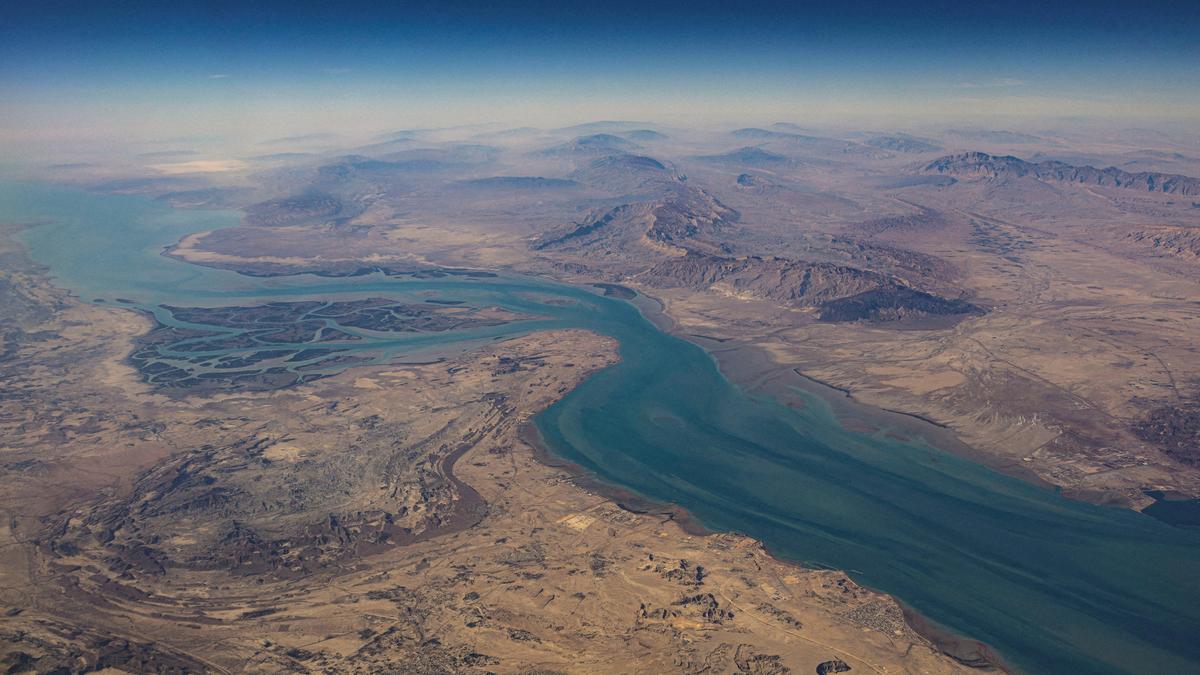
Despite the ongoing war in West Asia following U.S.-Israel attacks on Iran, two more Indian-flagged LPG tankers, Pine Gas and Jag Vasant, have commenced their journey from the Persian Gulf, aiming to cross the volatile Strait of Hormuz and reach Indian ports. The vessels are among the 28 initially stranded after the conflict intensified, disrupting crucial shipping lanes. This development follows the successful transit of four other Indian vessels carrying LPG and crude oil, highlighting India’s efforts to maintain its energy supplies amidst regional instability.
Key Points:
- March 23, 2026: LPG tankers Pine Gas and Jag Vasant are near Iran’s Larak and Qeshm islands, preparing to cross the Strait of Hormuz.
- 22 Indian-flagged vessels remain in the war zone, with 611 seafarers onboard.
- Previously, M.T. Shivalik and M.T. Nanda Devi carrying 92,712 tonnes of LPG reached India on March 16 and March 17, respectively.
- Jag Laadki, carrying 80,886 tonnes of crude oil, arrived in Mundra on March 18.
- Iran appears to be allowing select vessels to transit after verification, focusing on ownership and cargo.
- India imports a significant portion of its energy needs via the Strait of Hormuz: 88% of crude oil, 50% of natural gas, and 60% of LPG.
- Approximately 500 tanker vessels remain confined within the Persian Gulf.
Critical Analysis:
The fact that Iran is allowing select vessels to transit the Strait of Hormuz, even amidst a war with U.S.-backed Israel, suggests a calculated approach. By verifying ownership and cargo, Iran is likely aiming to ensure that the vessels do not belong to or support its adversaries, while also potentially signaling a desire to avoid a complete shutdown of vital trade routes. This selective approach could be a way for Iran to exert control over the region’s maritime traffic and maintain some level of economic stability, particularly given its reliance on these waterways as well.
Key Takeaways:
- India is actively working to secure its energy supplies by navigating the dangerous Strait of Hormuz despite the ongoing conflict.
- Iran is exercising a degree of control over maritime traffic in the region by selectively allowing vessels to transit the Strait.
- The conflict in West Asia is significantly disrupting global shipping lanes and impacting energy supplies, particularly for countries like India that heavily rely on the Strait of Hormuz.
- India is seeking alternative sources for crude oil to mitigate the disruption, but gas and LPG supplies remain vulnerable.
- The verification process implemented by Iran highlights the strategic importance of the Strait of Hormuz and the complex geopolitical dynamics at play.
Impact Analysis:
The continued disruption of shipping through the Strait of Hormuz has significant long-term implications for global energy markets and international relations. India, heavily reliant on imports via this route, faces potential energy shortages and economic challenges. The conflict may force India to diversify its energy sources and strengthen relationships with alternative suppliers, such as Russia, West Africa, the U.S., and Latin America. Furthermore, this event underscores the vulnerability of global supply chains to regional conflicts and the need for international cooperation to ensure maritime security and stability in strategically important waterways. The long-term impact may include increased energy costs for consumers and industries in India, and a re-evaluation of energy security strategies worldwide.
 First Piper