
Mon Mar 23 06:35:19 UTC 2026: ### Headline: Haryana Forest Department Embroiled in Jurisdictional Conflict Over Illegal Tree Felling
The Story:
A power struggle has erupted within the Haryana Forest Department between two senior Indian Forest Service (IFS) officers over the investigation of illegal tree felling in protected areas. Vineet Kumar Garg, a 1989-batch officer and Principal Chief Conservator of Forests (PCCF) and Head of Forest Force (HoFF), formed a probe panel on March 17 to investigate wildlife habitat degradation, including the illegal felling of Khair trees in Kalesar National Park and Wildlife Sanctuary. However, Vivek Saxena, a 1991-batch IFS officer serving as the Principal Chief Conservator of Forests (Wildlife) and the Chief Wildlife Warden, quashed Garg’s committee on March 19, citing jurisdictional grounds and formed his own committee.
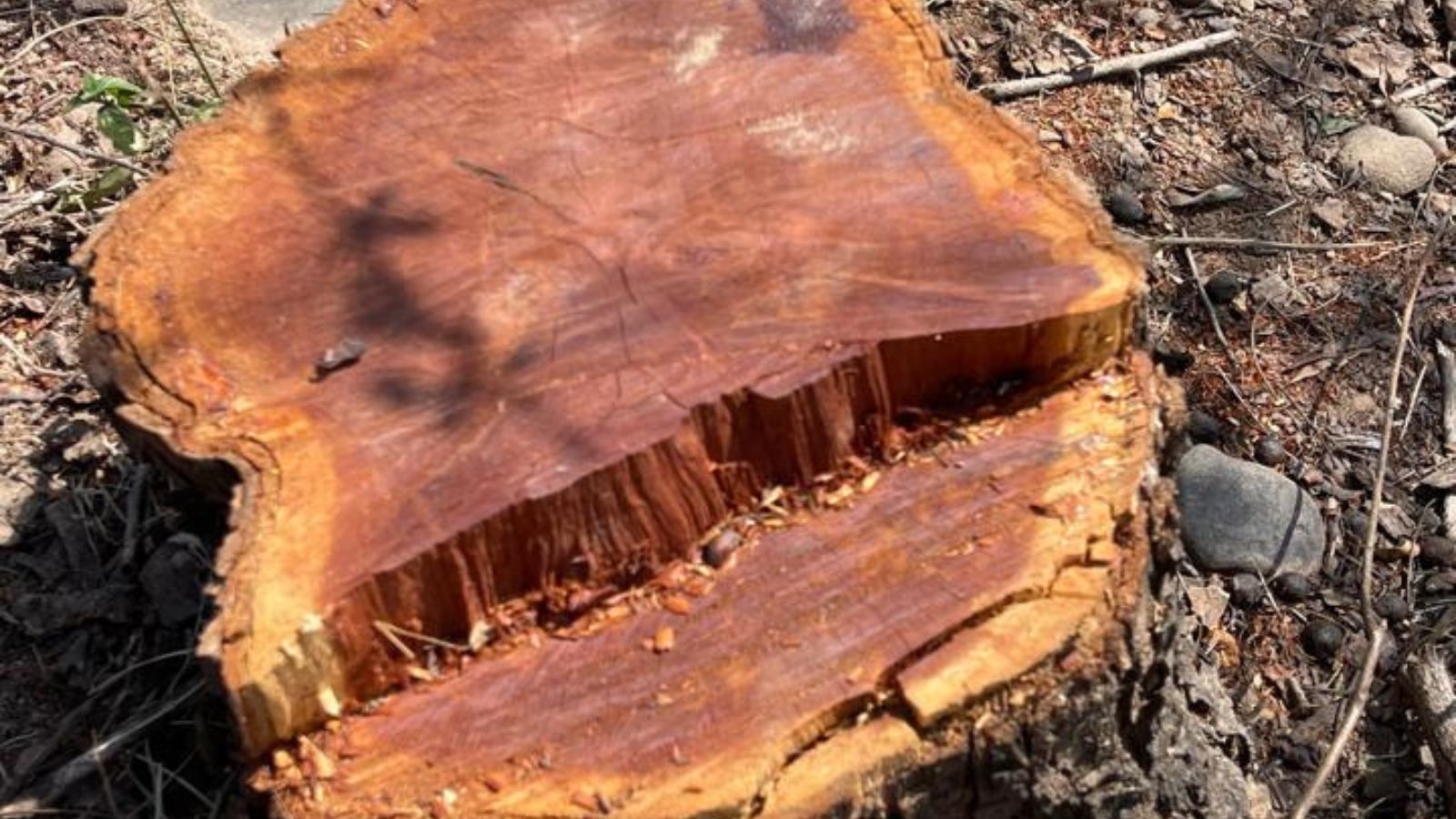
This internal conflict stems from the illegal felling and theft of over 1,000 Khair trees in Asarewali Protected Forest. Saxena criticized the past practice of using the Indian Forest Act, 1927, which has lenient penalties, instead of the Wildlife Protection Act, 1972, which carries stricter penalties for offenses in protected areas. The matter has now been escalated to the state government for resolution.
Key Points:
- Vineet Kumar Garg, PCCF (HoFF), constituted a probe panel on March 17 to investigate illegal tree felling.
- Vivek Saxena, PCCF (Wildlife), quashed Garg’s committee on March 19, citing jurisdictional issues.
- The conflict revolves around the illegal felling of over 1,000 Khair trees in Asarewali Protected Forest.
- Saxena criticized the use of the Indian Forest Act, 1927, over the Wildlife Protection Act, 1972, for offenses in protected areas.
- The matter has been referred to the state government for resolution.
Key Takeaways:
- The conflict highlights a significant jurisdictional ambiguity within the Haryana Forest Department regarding the investigation of offenses in protected areas.
- The disagreement over the application of the Indian Forest Act, 1927, versus the Wildlife Protection Act, 1972, suggests differing perspectives on the severity and handling of forest-related crimes.
- The escalation of the issue to the state government indicates a need for clearer guidelines and a potential restructuring of responsibilities within the forest administration.
- The incident underscores the vulnerability of protected areas to illegal activities and the importance of effective enforcement mechanisms.
Impact Analysis:
- Short-Term: The immediate impact will be a temporary paralysis of investigation efforts until the state government resolves the jurisdictional dispute. This could allow further illegal activities to occur in the interim. The morale of forest officials may also be affected by the internal conflict.
- Long-Term: The incident necessitates a comprehensive review of the roles and responsibilities of senior IFS officers in Haryana to avoid similar conflicts in the future. Clearer demarcation of authority and streamlined procedures for investigating offenses are crucial. Failure to address these issues could lead to continued inefficiencies in protecting Haryana’s forests and wildlife, potentially impacting biodiversity and environmental sustainability. The outcome of the government’s decision will set a precedent for future inter-departmental conflicts and the enforcement of environmental laws.
 First Piper