
Mon Mar 23 13:15:33 UTC 2026: # Trump Postpones Strikes on Iranian Power Plants Amidst Tensions and Market Volatility
The Story:
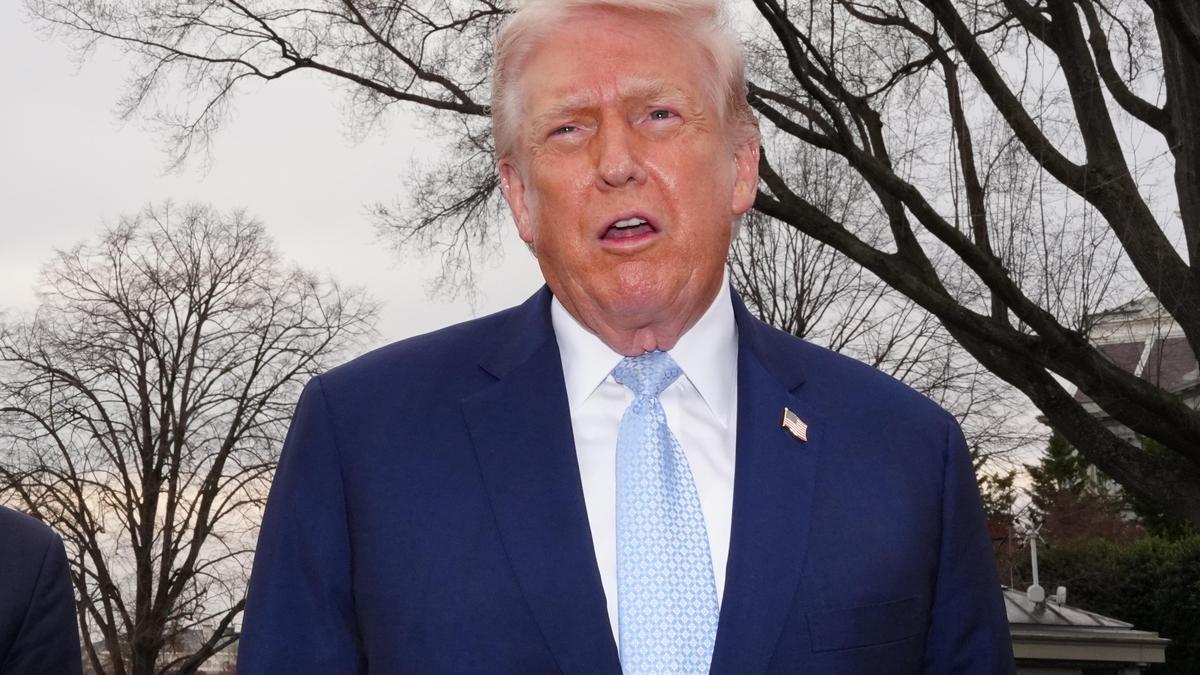
U.S. President Donald Trump has announced a postponement of military strikes on Iranian power plants and energy infrastructure, citing “constructive talks” between the U.S. and Iran. This decision follows a period of heightened tensions, including a threat from Iran to attack Israeli power plants and U.S. bases in the Gulf if its own power network was targeted. The situation unfolded after Iran effectively closed the Strait of Hormuz, disrupting global oil and gas supplies and escalating the existing conflict that began on February 28, 2026.
The announcement triggered immediate market reactions, with the dollar plunging and stocks surging. However, Iran has refuted Trump’s claims of productive talks, stating that the Strait of Hormuz will not return to pre-war conditions and that no negotiations with the U.S. are underway. Iran maintains it will defend itself until it achieves deterrence.
Key Points:
- Donald Trump postponed strikes on Iranian power plants for five days.
- The U.S. President cited “very good and productive conversations” with Iran as the reason for the postponement.
- Iran threatened to attack Israeli power plants and U.S. bases if its power network was targeted.
- Iran’s Tasnim news agency denied that negotiations with the U.S. are underway and stated that the Strait of Hormuz will not return to pre-war conditions.
- The war between the U.S./Israel and Iran, which began on February 28, 2026, has resulted in over 2,000 deaths.
- The Strait of Hormuz, a critical passageway for global oil and gas, remains closed due to Iranian actions.
- The dollar plunged and stocks surged following Trump’s announcement.
Critical Analysis:
The events reveal a high-stakes game of brinkmanship. Trump’s initial ultimatum regarding the Strait of Hormuz was followed by a threat to Iranian infrastructure, eliciting a strong retaliatory threat from Iran. The postponement, framed as a result of “constructive talks,” may be a tactical retreat under pressure from financial markets and the potential for wider conflict. However, Iran’s denial of productive talks suggests a fundamental disagreement on the terms of any potential resolution, and the continued closure of the Strait of Hormuz indicates that tensions remain high.
Key Takeaways:
- The conflict between the U.S./Israel and Iran has significant global implications, particularly for energy markets.
- Conflicting narratives from the U.S. and Iran make it difficult to assess the true state of negotiations.
- Financial markets are highly sensitive to developments in this conflict, and Trump’s actions appear to be influenced by market pressures.
- The closure of the Strait of Hormuz remains a major point of contention.
- A de-escalation of the conflict is not guaranteed, despite the announced postponement.
Impact Analysis:
The situation has the potential for significant long-term impact. The closure of the Strait of Hormuz disrupts global supply chains and contributes to inflation, impacting economies worldwide. The conflict has already strained the Western alliance. If the situation escalates, it could lead to a wider regional war with devastating consequences. Even if a temporary resolution is reached, the underlying tensions between the U.S./Israel and Iran remain, suggesting that further conflicts are likely. The longer-term implications include a potential restructuring of global energy markets, a realignment of geopolitical power in the Middle East, and a reassessment of the role of the U.S. in the region.
 First Piper