
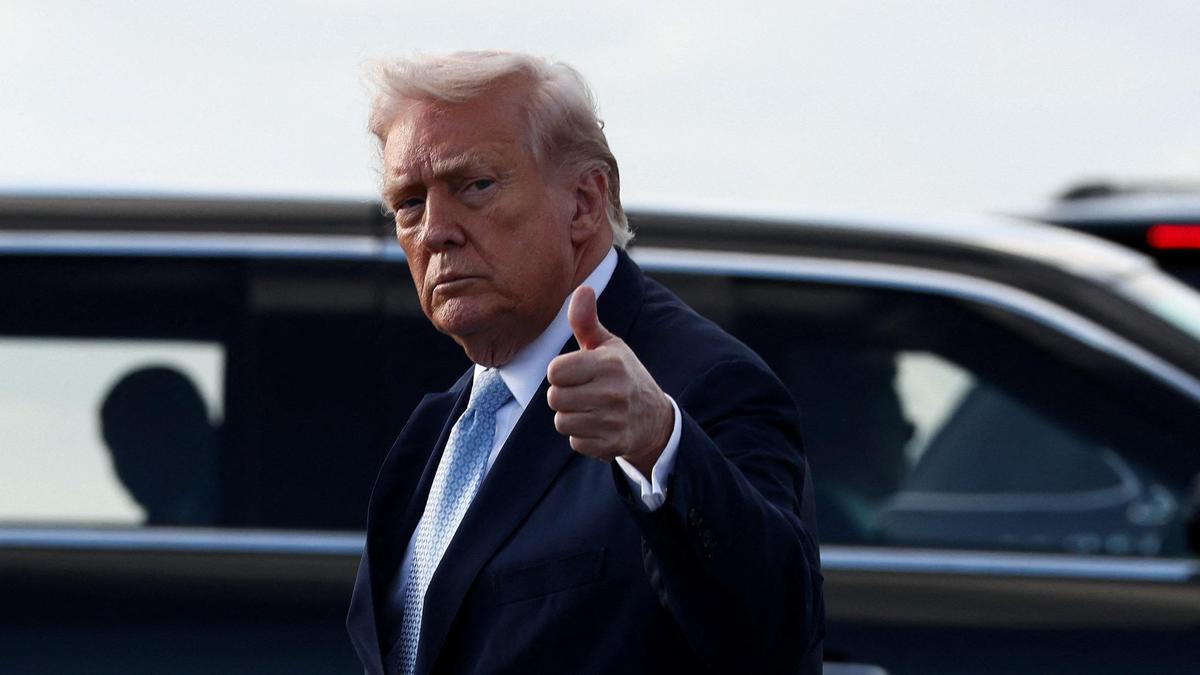
Mon Mar 23 11:20:00 UTC 2026: # West Asia Tensions Simmer as Trump Postpones Strikes; Modi Expresses Concern
The Story:
U.S. President Donald Trump announced on Monday, March 23, 2026, the postponement of military strikes against Iranian power plants and energy infrastructure for five days, citing productive conversations with Iran. However, Iranian sources refuted ongoing negotiations and indicated that the Strait of Hormuz would not return to pre-war conditions, keeping energy markets unsettled. Meanwhile, Indian Prime Minister Narendra Modi, addressing the Lok Sabha, described the West Asia situation as “worrisome” due to its adverse impact on the global economy. Two Indian LPG tankers are navigating the Strait of Hormuz amidst the conflict.
Key Points:
- Donald Trump postponed military strikes against Iranian energy infrastructure for five days.
- Iran denies negotiations with the U.S. and states the Strait of Hormuz will not return to pre-war conditions.
- PM Modi expressed concern over the West Asia conflict’s impact on the global economy.
- Two Indian LPG tankers are traversing the Strait of Hormuz.
- Gold and silver prices in the domestic market in India witnessed a sharp decline of more than 7%.
Key Takeaways:
- The situation in West Asia remains highly volatile, with conflicting narratives from the U.S. and Iran.
- The ongoing conflict is significantly impacting global economic stability, as highlighted by PM Modi.
- India is actively managing its energy supply lines through the Strait of Hormuz despite the war.
- Financial markets are reacting strongly to the geopolitical instability, as evidenced by the sharp decline in gold and silver prices.
- The situation warrants close monitoring due to its potential for further escalation and broader economic consequences.
Impact Analysis:
The West Asia conflict presents significant long-term implications:
- Energy Security: Disruption to the Strait of Hormuz threatens global energy supplies, potentially leading to price spikes and economic instability, particularly for countries heavily reliant on Gulf oil and gas.
- Geopolitical Realignment: The conflict could trigger a realignment of alliances in the region, impacting international relations and potentially drawing in other global powers.
- Economic Repercussions: Prolonged instability will likely continue to depress global economic growth, impacting trade, investment, and financial markets.
- Indian Interests: India, with its significant energy dependence and large diaspora in the Gulf region, faces direct economic and security challenges from the ongoing crisis.
 First Piper