
Mon Mar 23 12:20:15 UTC 2026: # Tamil Nadu Elections 2026: Postal Ballot Eligibility Expanded
The Story:
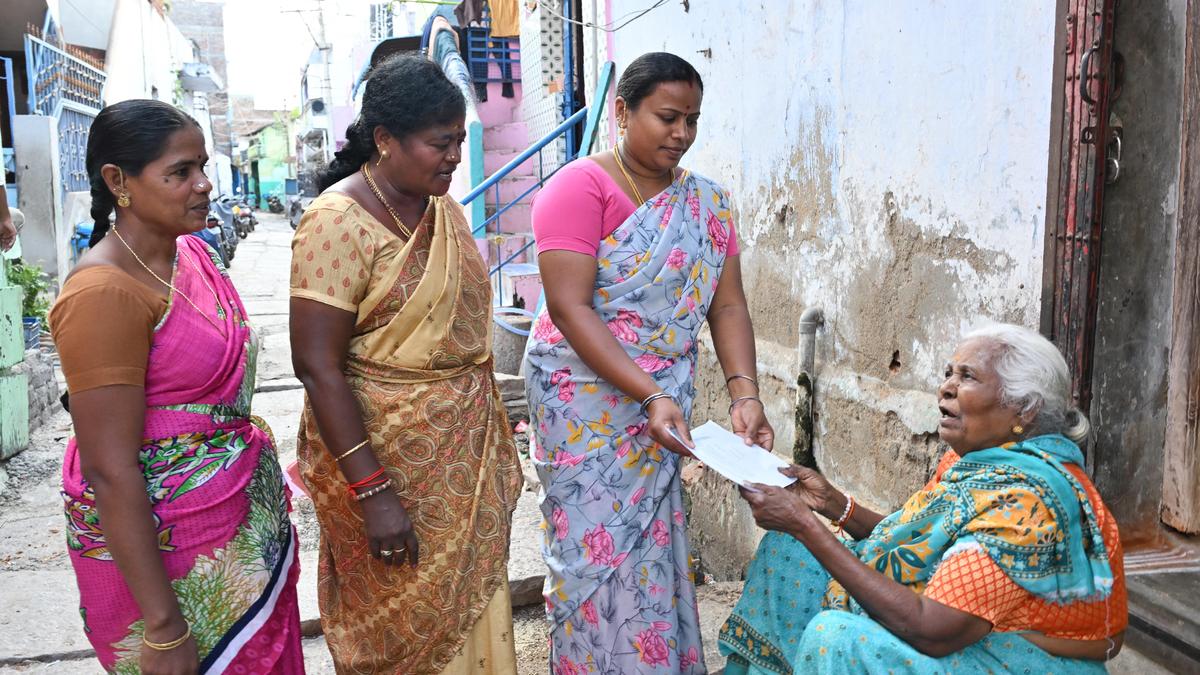
Ahead of the Tamil Nadu Assembly elections scheduled for April 23, 2026, the Election Commission of India (ECI) has broadened the eligibility criteria for postal ballots. Electors over the age of 85 and persons with disabilities (PwDs) identified in electoral rolls can now vote via postal ballot using Form 12 D. Essential service workers, including those in railways, media, and utilities, will also be able to vote by postal ballot. The ECI aims to ensure secrecy and efficiency in the process, with postal ballots needing to reach Returning Officers by 8 a.m. on May 4, 2026, the date of counting.
Key Points:
- Electors above 85 years and PwDs can vote via postal ballot using Form 12 D.
- Essential service workers including those in Southern Railway, All India Radio, Marine Department, Airport Authority of India, Ministry of Information of Broadcasting, mediapersons, Chennai Metro Rail, Tamil Nadu State Transport Undertaking, Tamil Nadu Power Distribution Corporation Limited, Fire and Rescue Services, Prison and Correctional Services, and Traffic Police are eligible for postal ballots.
- Service voters will receive postal ballots electronically through the Electronically Transmitted Postal Ballot System (ETPBS).
- Postal ballots must reach Returning Officers by 8 a.m. on May 4, 2026.
- The notification for the election will be issued on March 30.
Critical Analysis:
The timing of this announcement, just days before the election notification, suggests a strategic effort by the ECI to maximize voter turnout, particularly among demographics that might face challenges in reaching polling stations. The inclusion of essential service workers acknowledges their vital role and ensures their participation in the democratic process, even while on duty.
Key Takeaways:
- The ECI is actively working to enhance voter accessibility in the 2026 Tamil Nadu Assembly elections.
- Expanding postal ballot eligibility could significantly impact voter turnout, especially among elderly and disabled populations.
- The use of ETPBS for service voters streamlines the voting process and reduces logistical challenges.
- Logistical planning and communication with political parties are crucial for the successful implementation of the postal ballot system.
Impact Analysis:
The expansion of postal ballot eligibility could set a precedent for future elections, potentially leading to wider adoption of remote voting options. This could increase overall voter participation and make elections more inclusive. The success of this initiative in Tamil Nadu will likely influence electoral reforms and accessibility measures in other states and at the national level. The focus on essential service workers also highlights the importance of ensuring that those who serve the public are able to exercise their democratic rights without impediment.
 First Piper