
Mon Mar 23 10:03:08 UTC 2026: ### Slovenia Faces Political Gridlock After Tight Election
The Story:
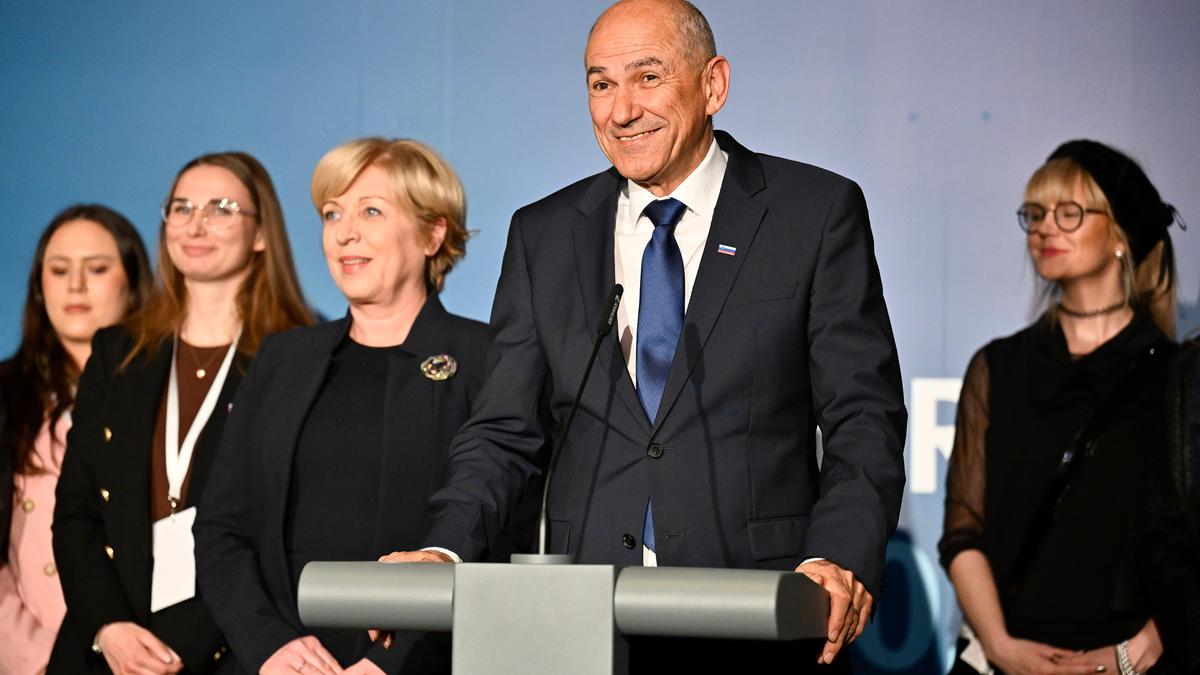
Slovenia’s parliamentary election on March 22, 2026, resulted in a near tie between Prime Minister Robert Golob’s center-left Freedom Movement and the right-wing Slovenian Democratic Party (SDS) led by former Prime Minister Janez Jansa. With nearly complete preliminary results showing Freedom Movement at 28.5% and SDS at 28.1%, neither party is expected to secure a majority in the 90-member parliament. This outcome heralds a period of political uncertainty as smaller parties are poised to become kingmakers in forming a future government.
The election was framed as a crucial test of Slovenia’s political direction, pitting the liberal course of Golob’s government against a potential shift towards right-wing populism represented by Jansa, a close ally of Hungarian Prime Minister Viktor Orbán. The campaign was also marked by allegations of corruption involving secret video recordings, adding further complexity to the political landscape.
Key Points:
- The March 22, 2026 election resulted in a near tie between the Freedom Movement (28.5%) and SDS (28.1%).
- Neither party is expected to secure a majority in the 90-member parliament.
- Prime Minister Robert Golob expressed confidence in forming the next government but acknowledged “tough negotiations” ahead.
- Janez Jansa predicted a lack of political stability following the election.
- The election campaign was marred by allegations of corruption and election interference involving secret video recordings and a foreign agency (Black Cube).
- Golob’s government has been a strong liberal voice in the EU, while Jansa is aligned with right-wing populist leaders like Viktor Orbán.
- Slovenia has a history of alternating between liberal and conservative governments since its independence in 1991.
Critical Analysis:
The historical context shows a pattern of Slovenia shifting between liberal and conservative blocks since its independence. This election result underscores the deep divisions within Slovenian society and the absence of a dominant political force. The allegations of corruption and foreign interference further complicate the political landscape, potentially impacting the legitimacy of the election outcome and future government stability.
Key Takeaways:
- Slovenia is heading into a period of political instability due to the close election results and the need for coalition negotiations.
- The outcome reflects a significant divide within Slovenian society between liberal and conservative ideologies.
- Allegations of corruption and foreign interference could further destabilize the political situation.
- The role of smaller parties will be crucial in determining the composition of the next government.
- The election serves as a barometer for the broader political climate in the EU, highlighting the ongoing tension between liberal and right-wing forces.
Impact Analysis:
The election result is likely to have a significant impact on Slovenia’s domestic and foreign policies. A potential shift to the right under Jansa could align Slovenia more closely with other right-wing governments in Europe, potentially altering its stance on issues such as immigration, media freedom, and EU integration. Conversely, if Golob manages to form a coalition, Slovenia is likely to maintain its liberal course, continuing to advocate for progressive policies within the EU and internationally, including its pro-Palestinian stance. The resulting political uncertainty could also impact Slovenia’s economic stability and its ability to address pressing domestic issues such as healthcare reform and tax policy.
 First Piper