
Mon Mar 23 13:26:33 UTC 2026: # Karnataka Grapples with Persistently High Pedestrian Fatalities, Despite Safety Guidelines
The Story
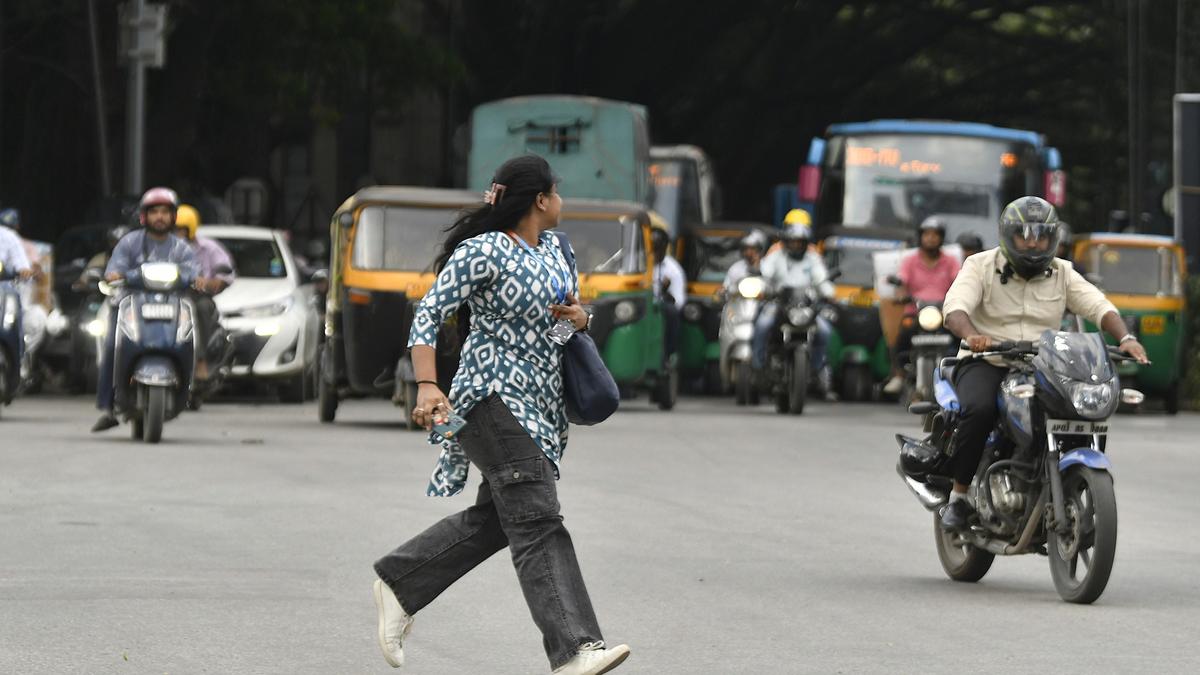
Data released by the Union Ministry of Road Transport and Highways reveals that Karnataka recorded 6,844 pedestrian deaths between 2022 and 2024. While the figures show a slight decrease from 2,418 deaths in 2023 to 2,321 in 2024 (provisional), the overall trend remains alarmingly high. Across India, pedestrian deaths have also increased, rising from 32,825 in 2022 to 36,526 in 2024. The report highlights the ongoing challenges in ensuring pedestrian safety, particularly in urban areas like Bengaluru, where issues like encroached footpaths and poor traffic enforcement persist. Despite the existence of guidelines like IRC:103-2022 and safety audits, the numbers suggest a disconnect between policy and implementation.
Key Points
- Karnataka recorded 6,844 pedestrian deaths between 2022 and 2024.
- National pedestrian fatalities increased from 32,825 in 2022 to 36,526 in 2024.
- Union Minister Nitin Gadkari highlighted the use of Indian Roads Congress guidelines, including IRC:103-2022, for pedestrian facilities.
- Cities like Bengaluru face persistent issues with encroached footpaths, inadequate crossings, and poor traffic enforcement.
- Transport expert M.N. Srihari advocates for a “complete streets” approach and regular safety audits to reduce fatalities.
Key Takeaways
- Pedestrian safety remains a critical issue in Karnataka and across India, despite existing guidelines and safety measures.
- The high number of fatalities suggests a gap in the effective implementation of pedestrian safety policies.
- A shift in urban design, prioritizing pedestrians alongside vehicles, is necessary to reduce pedestrian deaths.
- Enforcement of traffic rules and regular safety audits are crucial for improving pedestrian safety.
- A “safe systems” approach is needed on highways, including continuous service roads and pedestrian underpasses/foot overbridges.
Impact Analysis
The consistently high pedestrian fatality rates across India, particularly in states like Karnataka, point to a systemic failure in prioritizing vulnerable road users. This has significant long-term implications:
- Public Health Crisis: Continued high fatality rates contribute to a public health crisis, straining healthcare resources and impacting quality of life.
- Economic Burden: Road accidents, including pedestrian fatalities, incur significant economic costs related to healthcare, insurance, and loss of productivity.
- Urban Planning Reform: The persistent issue highlights the urgent need for comprehensive urban planning reforms that prioritize pedestrian infrastructure and safety. This will likely lead to increased pressure on urban planners and policymakers to adopt “complete streets” approaches.
- Policy Scrutiny: The data will likely trigger increased scrutiny of existing road safety policies and their implementation, potentially leading to revised guidelines and stricter enforcement measures.
- Increased Public Awareness: The continued reporting of high fatality rates raises public awareness and advocacy for improved pedestrian safety measures. This may lead to citizen-led initiatives and increased demand for accountability from authorities.
 First Piper