
Mon Mar 23 07:41:25 UTC 2026: ### Headline: Indian LPG Tankers Navigate Strait of Hormuz Amidst West Asia Conflict
The Story:
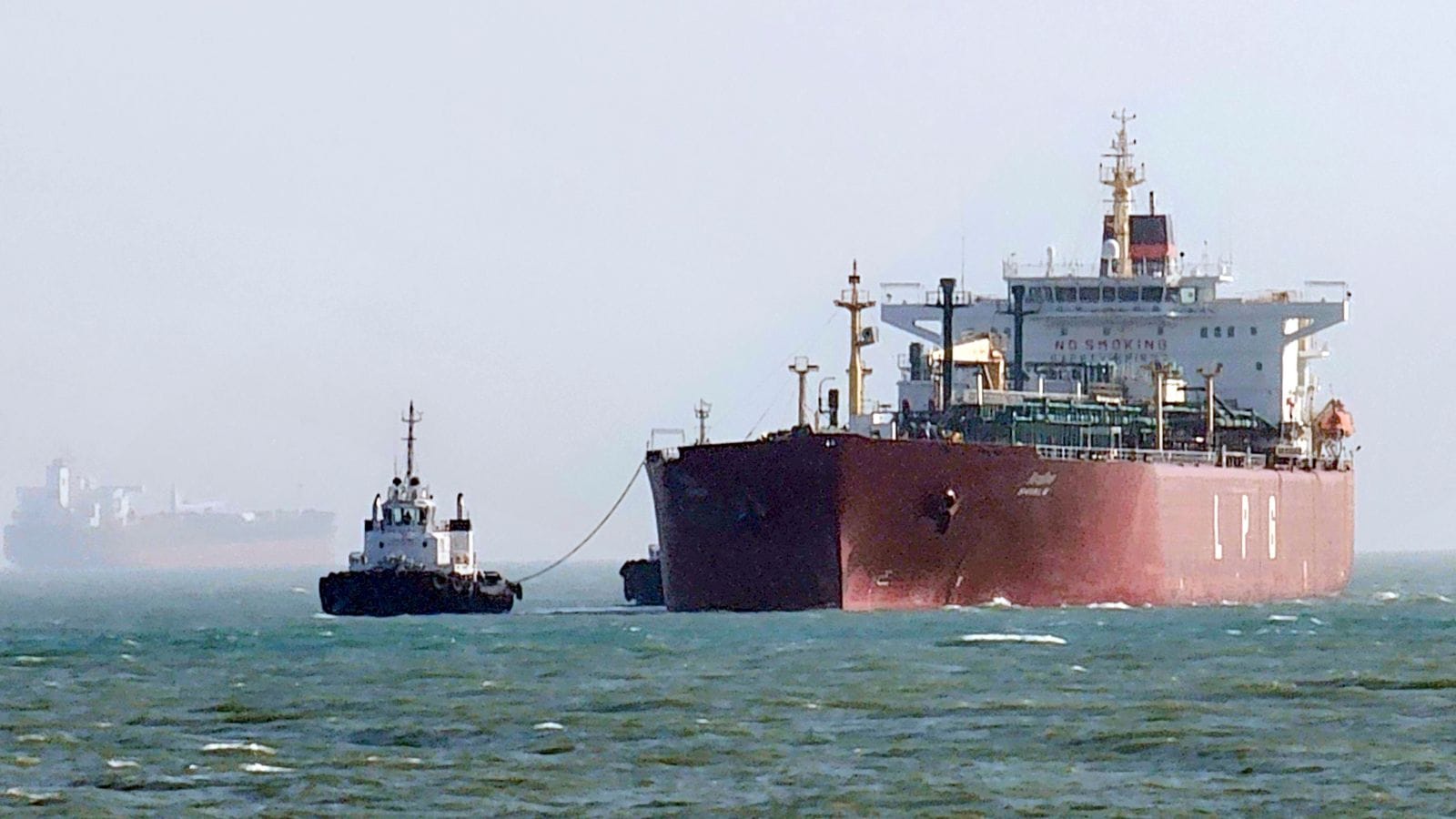
Two India-flagged liquefied petroleum gas (LPG) tankers, Pine Gas and Jag Vasant, are navigating the Strait of Hormuz, utilizing a route through Iranian territorial waters. This strategic maneuver, according to industry experts, allows Iran to regulate vessel movements through this critical maritime chokepoint. The ships are broadcasting their Indian identity, seemingly to avoid any confusion with Iranian authorities closely monitoring the strait. India has been engaged in diplomatic efforts with Iran to ensure safe passage for its vessels, following the successful transit of two other LPG tankers, Shivalik and Nanda Devi, a few days prior.
Key Points:
- Pine Gas and Jag Vasant, two Indian LPG tankers, are traversing the Strait of Hormuz through Iranian waters.
- The ships are broadcasting their Indian flags to avoid confusion.
- India is actively engaged in diplomatic talks with Iran to secure safe passage for its ships.
- The Strait of Hormuz is crucial for India, handling 40% of crude oil imports, over 50% of LNG imports, and 90% of LPG imports.
- As of Sunday, India had 22 merchant vessels with 611 seafarers stuck in the Persian Gulf, holding significant quantities of LPG, LNG, and crude oil.
- Iran is reportedly selectively allowing traffic through the Strait, potentially based on negotiations with various governments.
- The West Asia conflict, initiated with US and Israeli strikes on Iran on February 28, has significantly disrupted vessel movements through the Strait.
Critical Analysis:
The events highlight the precarious situation India faces due to its heavy reliance on energy imports through the Strait of Hormuz, particularly during the ongoing West Asia conflict. Iran’s ability to control passage through the Strait gives it considerable leverage, and India’s diplomatic engagement signifies the importance of maintaining a working relationship with Iran to ensure its energy security. The unusual routes taken by vessels indicate a level of Iranian oversight and control over maritime traffic, likely used as a tool of diplomacy.
Key Takeaways:
- India’s energy security is acutely vulnerable to disruptions in the Strait of Hormuz.
- Diplomatic engagement with Iran is crucial for India to ensure the safe passage of its vessels.
- The West Asia conflict is exacerbating the challenges of energy supply for India.
- Iran is strategically leveraging its control over the Strait of Hormuz.
- The crisis emphasizes the need for India to diversify its energy sources and supply routes.
Impact Analysis:
The ongoing situation in the Strait of Hormuz could have significant long-term implications for India’s energy strategy. The increased risk and potential for disruptions may push India to:
- Diversify Energy Sources: Investing more heavily in renewable energy and exploring alternative sources of gas, such as from the US or Africa.
- Diversify Supply Routes: Exploring alternative routes, though logistically challenging, to reduce reliance on the Strait of Hormuz.
- Increase Strategic Reserves: Building up larger strategic reserves of crude oil and LPG to buffer against supply shocks.
- Strengthen Naval Presence: Enhancing its naval presence in the region to protect its commercial interests and ensure freedom of navigation.
 First Piper